





Description
Product Introduction & Engineering Value
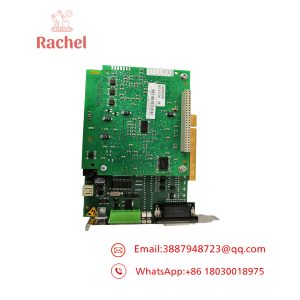
The KUKA 00-104-196 is an LPDN DeviceNet scanner board associated with KRC2 robot controllers. Its job is straightforward: provide the controller with the DeviceNet interface required for communication with compatible field devices and PLC-side networks. Sources consistently identify it as a two-channel DeviceNet board.
This is primarily a legacy-support part. The board is reported as discontinued, so finding an electrically correct replacement matters more than simply finding a board with a similar connector arrangement. Controller generation, board identification, driver support, and existing DeviceNet configuration should all be checked before installation.
Technical Specifications
- Manufacturer: KUKA
- Part Number: 00-104-196
- Alternate Number: 00104196; some suppliers also list 001041960018 as an extended identification.
- Board Type: LPDN DeviceNet Scanner Board
- Network: DeviceNet
- Number of Channels: 2
- Controller Compatibility: KUKA KRC2 systems are specifically identified in available product documentation.
- Installation Category: Controller PC/interface board
- Application: Robot-controller fieldbus communication
- Lifecycle Status: Legacy/discontinued part according to available supplier documentation.
- Replacement Market: New, new-surplus, used, and refurbished units are available through the industrial surplus and repair market.
Important specification boundary: Publicly available listings do not provide enough reliable information to state the board’s exact DeviceNet baud-rate configuration, PCI electrical characteristics, I/O mapping, firmware revision, or complete environmental specifications. Those values should be verified against the specific KRC2 controller configuration rather than inferred from the part number.
Field Application & the “Trench” Experience
A typical failure scenario is not dramatic at first. A KRC2 robot stops exchanging DeviceNet data with its surrounding cell, while the robot controller itself still boots. The maintenance technician checks the network cabling and external nodes first. Everything appears normal. The fault eventually traces back to the LPDN scanner board.
This is where the 00-104-196 becomes a practical spare rather than merely another obsolete PCB. A verified replacement can restore the original controller architecture without redesigning the robot cell around a different fieldbus interface. The part is specifically associated with KRC2 applications and is still referenced by industrial robot technicians dealing with legacy DeviceNet installations.
Specific application scenarios
- KRC2-controlled robotic welding cell — DeviceNet communication between the robot controller and distributed welding-cell I/O.
- Automotive body-shop material handling — Legacy KRC2 robot exchanging status, interlocks, and control signals with DeviceNet-connected equipment.
- Robot-to-PLC DeviceNet integration — A KRC2 installation where maintaining the existing DeviceNet architecture is preferable to modifying the controller hardware and PLC network.
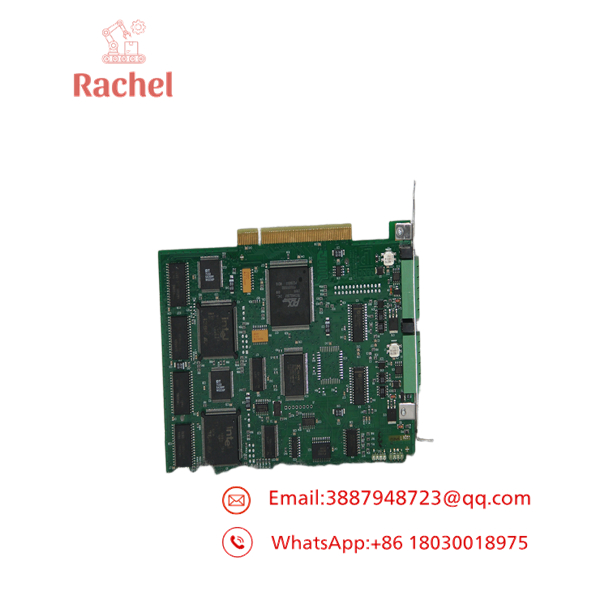
00-104-196
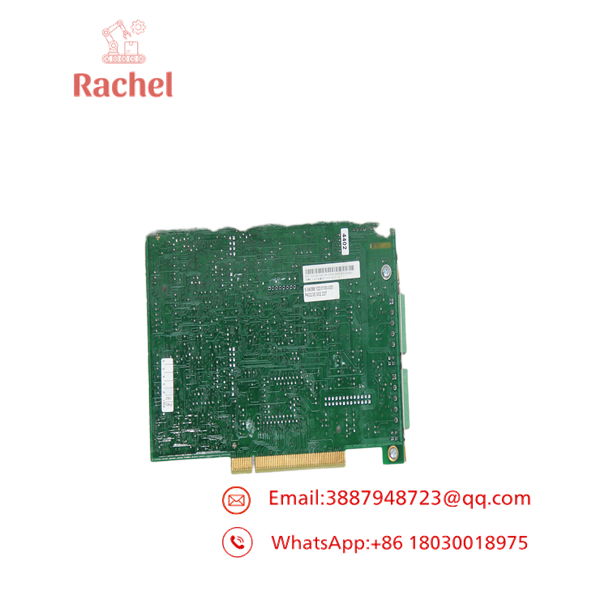
00-104-196
Transparency SOP: QA & Testing
For a new-surplus 00-104-196, physical condition alone is not sufficient evidence of usability. A proper incoming inspection should establish board identity and electrical condition before the part is released to production.
A practical QA sequence is:
- Part-number verification — Confirm the board is marked KUKA 00-104-196 / 00104196 and inspect revision markings.
- Visual inspection — Check the PCB, connectors, components, mounting points, and edge contacts for corrosion, impact damage, contamination, or unauthorized rework.
- Electrical inspection — Check for obvious shorts or abnormal resistance before applying power.
- Functional test — Where suitable KRC2 test equipment is available, install the board and verify controller recognition and DeviceNet communication.
- Network verification — Confirm communication with the intended DeviceNet configuration rather than merely confirming that the board powers up.
- Documentation — Record the tested part number, revision, condition, and test results before shipment.
For refurbished stock, suppliers describe processes including cleaning, functional testing, stress testing, and component-level repair or overhaul.
The Veteran’s Tech Trap Guide
⚠️ Trap #1 — Assuming any DeviceNet card is a substitute.
Do not replace the 00-104-196 simply because another DeviceNet PCI board fits mechanically. The KUKA controller software and driver environment matter. A historical KRC2 service discussion specifically notes that the LPDN card requires its corresponding driver support after a controller software reinstall.
⚠️ Trap #2 — Forgetting the software side.
A replacement board can be electrically healthy and still fail to function because the required LPDN driver or controller software configuration is missing. This is particularly relevant after rebuilding or reinstalling a KRC2 controller PC.
PRO TIP: Photograph the original board, its identification labels, installed configuration, and cabling before removing it. For legacy KUKA equipment, that information can save considerably more time than the physical board replacement itself.
⚠️ Trap #3 — Treating “new” as automatically equivalent to “new surplus.”
The aftermarket contains new, used, refurbished, and new-surplus units. A seller’s condition terminology should be confirmed in writing. Ask whether the board is unused, previously installed, repaired, or merely tested before shipment. Current listings demonstrate that multiple condition categories are being offered for this part.
Dynamic FAQ
Is KUKA 00-104-196 a DeviceNet board?
Yes. It is identified as an LPDN DeviceNet Scanner Board, with available listings specifying two DeviceNet channels.
Which KUKA controller is the 00-104-196 associated with?
The strongest available product documentation identifies it for KUKA KRC2 controllers. Verify the controller’s exact hardware and software configuration before ordering.
Is KUKA 00-104-196 discontinued?
Yes. Current industrial-part documentation identifies the manufacturer status as discontinued, which explains why refurbished, used, and surplus inventory are common procurement options.
What should I verify before ordering a replacement?
At minimum, verify 00-104-196, the board revision, KRC2 controller generation/configuration, existing DeviceNet architecture, and the required driver/software environment. Do not rely solely on physical dimensions or connector compatibility.
What does “New Surplus” mean for this part?
New-surplus generally refers to an unused industrial component that is outside the normal current OEM distribution channel. For procurement, request confirmation of whether the specific unit has ever been installed, powered, repaired, or modified. Do not treat “surplus” as synonymous with factory-current OEM production.
What warranty should I expect?
Warranty terms depend on the supplier and condition of the specific unit. They are not inherent specifications of KUKA part 00-104-196. For example, one aftermarket supplier advertises a two-year MRO warranty, while repair providers may offer different coverage.

 Start Chat


