





Description
Product Introduction & Engineering Value
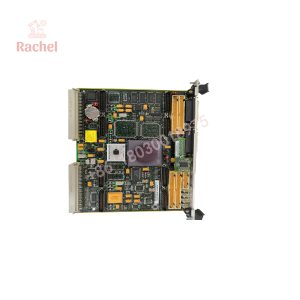
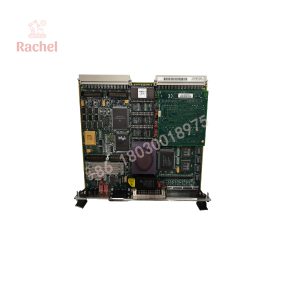
The Motorola MCP750 is a PowerPC-based VME single-board computer designed for engineers who need dependable embedded processing inside long-life control platforms. It combines a PowerPC 750 processor, VMEbus communication, memory resources, and expansion capability in a standard VME form factor.
Many legacy automation and test systems still rely on MCP750 boards because migration away from VME architecture can require major hardware redesigns and software redevelopment. The MCP750 provides a practical replacement path for maintaining existing systems while preserving proven application software.
Technical Specifications
Core Technical Parameters
| Parameter | Specification |
|---|---|
| Board Type | VME Single Board Computer (SBC) |
| Processor Family | IBM/Motorola PowerPC 750 |
| CPU Performance | Approximately 300 MHz class (varies by configuration) |
| Bus Standard | VME64-compatible architecture |
| Form Factor | 6U VME board |
| Operating System Support | VxWorks, embedded operating environments |
| Memory | SDRAM and Flash memory options depending on assembly configuration |
| Front Panel Interface | Serial and Ethernet communication interfaces |
| Expansion | PMC mezzanine expansion support on selected versions |
| Application Field | Real-time embedded computing and industrial control |
Field Application & The “Trench” Experience
A turbine test facility had an aging VME-based data acquisition rack where the original processor board began experiencing intermittent boot failures after years of continuous operation. The engineering team could not immediately replace the entire rack because the control software, I/O interfaces, and custom acquisition programs were built around the existing VME architecture.
The replacement MCP750 was installed as a direct processor board substitute after verifying firmware compatibility, memory configuration, and VME backplane settings. The system returned to operation without requiring a full platform migration.
Common deployment scenarios include:
- High-speed industrial test stands requiring deterministic VME data processing.
- Rail transportation control cabinets using legacy VME computing platforms.
- Defense and aerospace simulation equipment requiring long-term embedded processor availability.
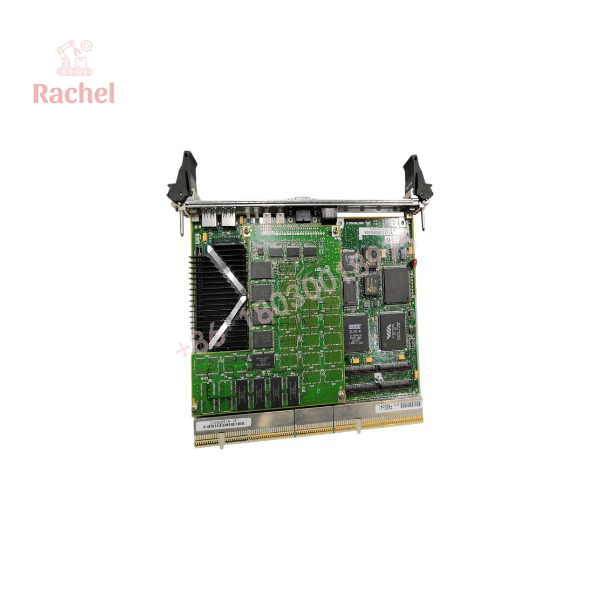
MCP750
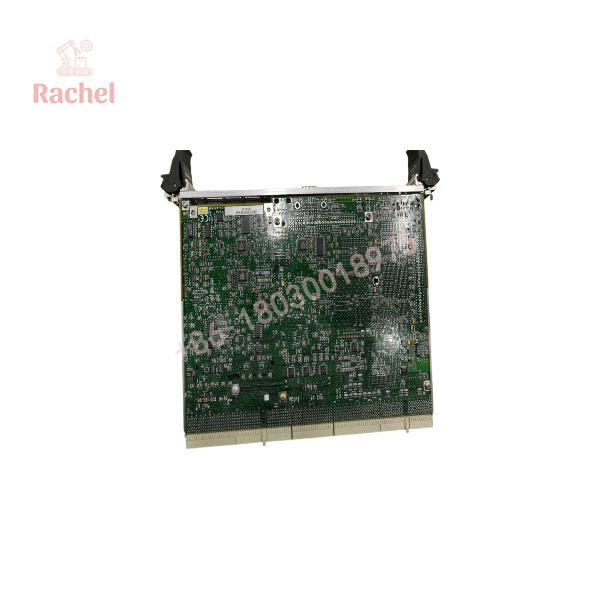
MCP750
Transparency SOP: QA & Testing
Every Motorola MCP750 unit should be evaluated according to its operational condition before installation into a production system.
Typical inspection and validation process:
- Visual inspection of PCB condition, connectors, VME edge contacts, and component integrity.
- Power-up verification using a compatible VME chassis and controlled power environment.
- CPU initialization and memory diagnostic testing.
- Ethernet, serial communication, and VME bus communication checks.
- Extended runtime testing to identify intermittent hardware faults.
For refurbished units, additional cleaning, connector treatment, and component-level inspection may be performed depending on the board condition.
The Veteran’s Tech Trap Guide
⚠️ Firmware compatibility matters.
The MCP750 family exists in multiple configurations. A replacement board may require matching firmware, boot parameters, or BSP settings before it can run existing applications.
⚠️ Do not ignore VME backplane configuration.
Incorrect slot configuration, jumper settings, or address mapping can prevent proper system startup even when the processor board is functional.
⚠️ ESD damage is a real risk.
The front-panel connectors and VME edge contacts should be handled using proper ESD procedures. A board that looks clean externally may still have damaged interface circuitry.
PRO TIP: Before removing the original processor board, record the boot configuration, memory size, software image version, and communication settings. This information can save hours during commissioning.
Dynamic FAQ
Q1: What type of system uses the Motorola MCP750?
The MCP750 is mainly used in VME-based embedded control platforms, including industrial automation equipment, test systems, transportation electronics, and specialized computing systems.
Q2: Is the Motorola MCP750 still available as a new production item?
The MCP750 is a legacy VME product family. Availability is typically through industrial surplus inventory, refurbished stock, or specialized automation spare-part suppliers.
Q3: Can the MCP750 replace another VME processor board directly?
Not always. Replacement depends on CPU architecture, VME addressing, software environment, memory configuration, and application compatibility.
Q4: What should be checked before installing a replacement MCP750?
Verify:
- Existing firmware version
- Boot device configuration
- VME slot requirements
- Memory configuration
- Operating system compatibility
- Connected PMC or peripheral modules
Q5: Are tested surplus Motorola MCP750 boards covered by warranty?
Warranty coverage depends on the supplier. Qualified industrial surplus providers normally offer a functional test report and limited warranty period for verified working units.
Q6: How can I confirm the authenticity of a Motorola MCP750 board?
Check the PCB markings, Motorola identification labels, assembly numbers, connector layout, and functional test results. Genuine industrial boards should match documented MCP750 hardware specifications.

 Start Chat


