





Description
Product Introduction & Engineering Value
Many industrial systems built around VME technology remain operational because their software, I/O modules, and field interfaces have been validated over years of use. Replacing the complete platform is often more complicated than maintaining the existing architecture. The MVME5500 provides a powerful processing solution while preserving the VME ecosystem.
For engineers responsible for legacy control platforms, the MVME5500 offers a practical balance between performance and compatibility. It supports applications where deterministic processing, reliable bus communication, and long-term spare availability are more important than adopting a completely new hardware platform.
Technical Specifications
| Parameter | Specification |
|---|---|
| Manufacturer | Motorola Computer Group |
| Model | MVME5500 |
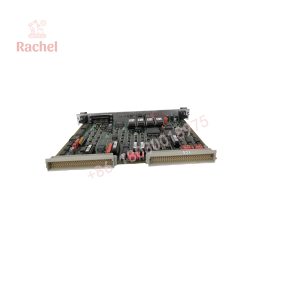
| Product Type | VME64x Single Board Computer |
| Form Factor | 6U VME |
| Processor Family | PowerPC MPC7450 series (variant dependent) |
| Processor Speed | Configuration dependent |
| VME Interface | VME64x |
| Memory | SDRAM configuration dependent |
| Local Storage | Flash memory / onboard storage options |
| Network Interface | Ethernet communication ports |
| Serial Communication | Multiple asynchronous serial interfaces |
| Expansion Interface | VME backplane |
| Operating Systems | VxWorks and embedded operating environments (application dependent) |
Note: Motorola MVME5500 boards were produced with different CPU speeds, memory sizes, firmware versions, and factory options. Always verify the complete assembly number before replacement.
Field Application & The “Trench” Experience
A defense test equipment manufacturer operated a VME-based simulation platform containing custom acquisition cards and specialized interface modules. The system controller was built around an MVME5500 processor board running a validated real-time operating environment.
During preventive maintenance, engineers identified increasing boot failures from the controller module. The replacement challenge was not simply obtaining a new CPU board. The team needed to maintain existing software images, VME timing behavior, and communication with custom hardware.
A tested MVME5500 spare was installed, the boot environment was restored, and the system passed functional verification without modifying the surrounding VME architecture.
Typical application scenarios include:
- Real-time industrial simulation systems
- Automated test and measurement equipment
- Military and aerospace embedded platforms
- High-speed data acquisition systems
- Legacy process control computers
- Telecommunications control systems
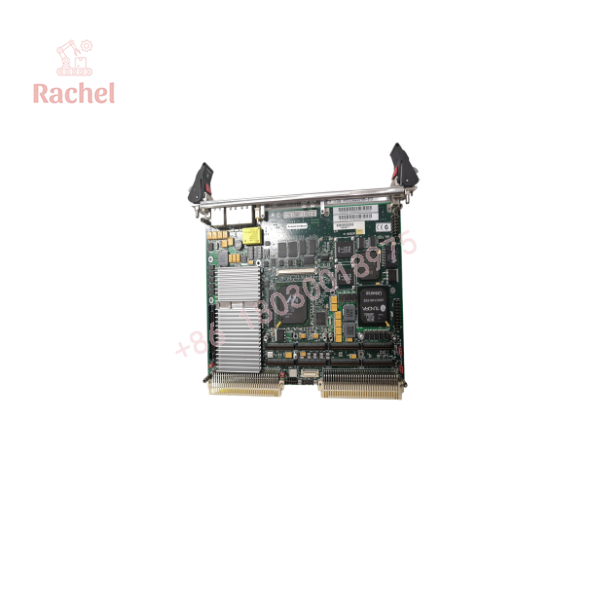
MVME5500
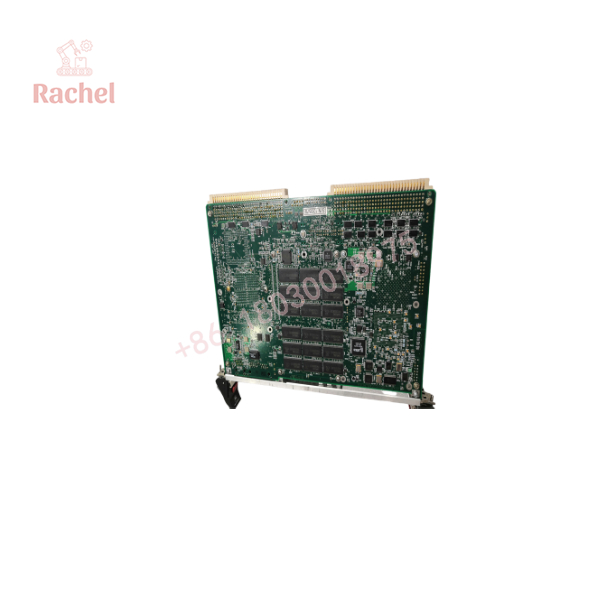
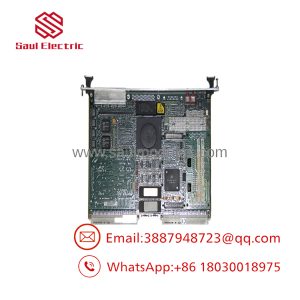
MVME5500
Transparency SOP: QA & Testing
A high-performance VME processor board requires system-level verification before deployment.
Inspection and validation procedure:
- Identity verification
- Confirm Motorola MVME5500 model marking.
- Check assembly revision and option codes.
- Record firmware information.
- Hardware assessment
- Inspect PCB condition.
- Examine VME connectors and mounting points.
- Check memory modules, heat sinks, and onboard components.
- Operational testing
- Boot in compatible VME chassis.
- Verify processor initialization.
- Confirm memory detection.
- Test Ethernet and serial interfaces.
- Validate operating system startup when available.
New Surplus units should be checked for storage quality and OEM labeling. Refurbished units should include inspection history, functional testing, and warranty details.
The Veteran’s Tech Trap Guide
⚠️ Trap 1: Assuming MVME5500 is interchangeable with MVME5100
Although both belong to Motorola PowerPC VME families, differences in processor generation, firmware, memory architecture, and software support can prevent direct replacement.
PRO TIP: Match the exact board model, assembly number, and operating environment.
⚠️ Trap 2: Missing firmware dependency
VME embedded systems often depend on specific boot ROM versions.
Before replacement, capture:
- Boot messages
- Firmware revision
- Startup parameters
- Network configuration
⚠️ Trap 3: Underestimating VME backplane compatibility
A processor upgrade may require checking:
- VME64x support
- Backplane wiring
- Interrupt configuration
- Existing module requirements
A board that powers on is not necessarily a fully compatible replacement.
Dynamic FAQ
Q1. What is the Motorola MVME5500?
The MVME5500 is a PowerPC-based 6U VME64x single-board computer designed for embedded computing applications requiring high processing performance and long operational lifecycles.
Q2. Is the MVME5500 still manufactured?
The MVME5500 is a legacy Motorola Computer Group product. Availability is typically through industrial surplus and refurbished equipment suppliers.
Q3. Can MVME5500 replace older Motorola VME processor boards?
Potentially, but compatibility depends on software, firmware, VME bus requirements, memory configuration, and application design.
Q4. What information is needed before ordering an MVME5500 replacement?
Provide:
- Existing board model
- Assembly revision
- Memory configuration
- Firmware version
- Operating system details
- VME chassis information
Q5. How are refurbished MVME5500 boards tested?
Testing should include visual inspection, power-up verification, processor initialization, memory checks, communication interface testing, and system boot validation.
Q6. Why do industrial sites still maintain MVME5500 spare boards?
Many VME systems operate critical equipment with long qualification cycles. Maintaining tested replacement boards avoids extended downtime and costly control system redesigns.

 Start Chat


