





Description
Product Introduction
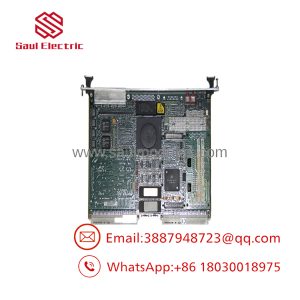
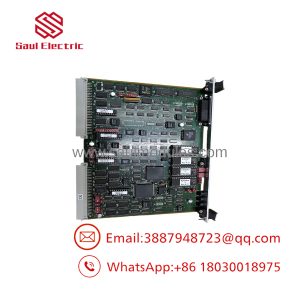
The Motorola MVME162PA-344E is a rugged, single-slot VMEbus single-board computer designed for high-reliability embedded control systems and defense infrastructure. Built around Motorola’s 68000 micro-architecture processor family, the MVME162 series integrated CPU logic, memory, system controller functions, and modular expansion capabilities into a single 6U VME form factor.
Unlike generic multi-board processor architectures that suffer from bus contention and latency, the MVME162PA-344E incorporates the specialized VMEchip2 ASIC alongside onboard IndustryPack (IP) carrier slots. This design offloads local serial, Ethernet, and mezzanine I/O execution from the VME backplane. It delivers deterministic performance for real-time operating systems like VxWorks and OS-9 in mission-critical applications where modern PC-based platforms simply lack long-term stability.
Key Technical Specifications
| Parameter | Specification Value |
| Processor | Motorola MC68LC040 / MC68040 (variant dependent) |
| Form Factor | Standard 6U Single-Slot VMEbus (VME64 compatible) |
| Bus Controller ASIC | VMEchip2 (VMEbus master/slave interface, DMA controller) |
| Memory Options | Onboard DRAM (Parity/ECC options), Flash memory socketed/soldered |
| System ASIC | MC2681 / VMEchip2 integrated timers, watchdogs, and interrupt handlers |
| Mezzanine Expansion | IndustryPack (IP) module carrier slots (up to 4 single-size or 2 double-size) |
| Onboard Network | 10Base-T / 10Base-2 Ethernet via IndustryPack or transition module |
| Serial Ports | Multiple RS-232 / RS-422 configurable serial channels |
| Real-Time Clock / NVRAM | Integrated BBRAM / RTC with battery-backed memory retention |
| Operating Temperature | 0°C to +55°C (Standard industrial grade) |
Application Scenarios & The “Trench” Experience
Picture this: It’s 4:00 AM on a plant overhaul cycle. An automated steel rolling mill loses its primary VMEbus position controller card. The processor LED goes dead, taking down the entire roughing stand drive sync loop. The OEM system was installed back in the late 1990s, and the original manufacturer lead time for a replacement board is non-existent. A complete system migration to modern Industrial PCs would cost hundreds of thousands in engineering downtime and rewiring.
In our field experience, keeping verified legacy VME boards on standby is the only thing standing between a quick 30-minute hot replacement and a multi-week catastrophic shutdown.
- Heavy Industrial Automation: Real-time motion control and axis positioning in legacy rolling mills, paper machines, and high-speed printing presses.
- Power Generation & Transmission: Supervisory control and telemetry processing in power substation legacy SCADA node architectures.
- Defense & Radar Systems: High-reliability signal processing, target acquisition, and flight simulation rigs using VxWorks RTOS.
- Transportation & Rail Signaling: Wayside train control units requiring fail-safe deterministic bus arbitration over long operating lifespans.
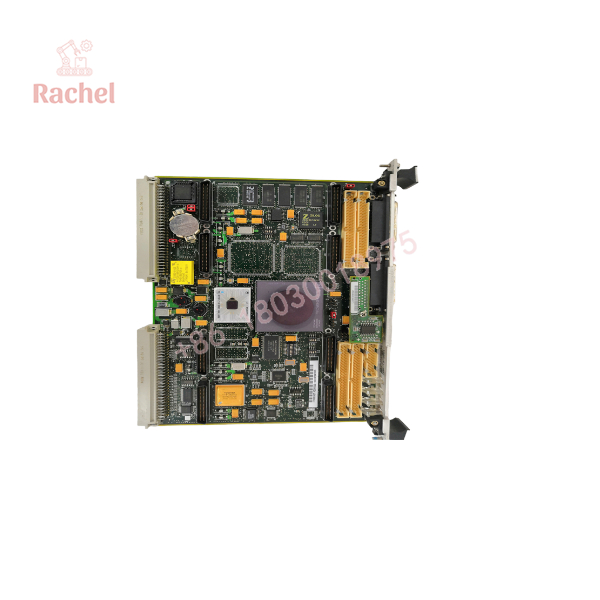
MVME162PA-344E
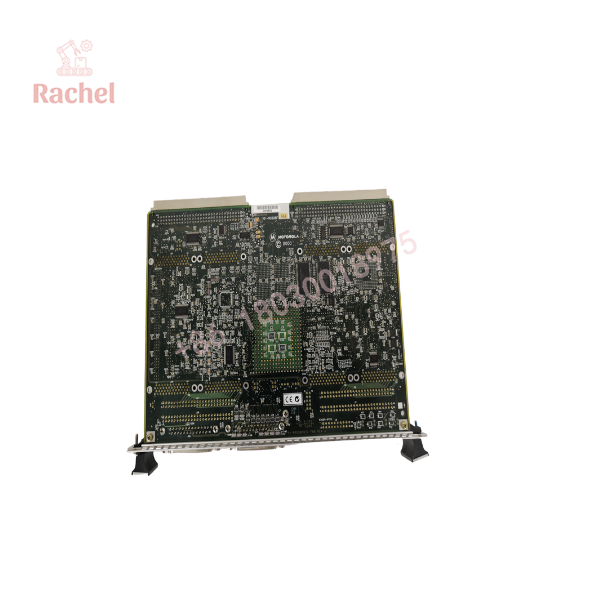
MVME162PA-344E
Transparency SOP: Quality Assurance & Testing
We don’t just ship boxes; we test them on actual Motorola 6U VME chassis rigs. Every MVME162PA-344E unit undergoes a strict 5-step engineering verification SOP:
- Inbound Visual & Component Audit: Microscopic inspection of VME backplane DIN connector pins (P1/P2) for bending or fatigue. Verification that electrolytic capacitors and NVRAM battery chips show zero leakage.
- Backplane Handshake & Power-On Test: Installation into a powered 6U VME enclosure with a regulated 5V/12V backplane supply to verify power-up diagnostic LED sequences.
- Firmware & ROM Diagnostic Loops: Booting into 162Bug (Motorola’s onboard ROM monitor software) to execute full CPU register, DRAM pattern testing, and VMEchip2 DMA controller diagnostics.
- I/O & IndustryPack Slot Stress Test: Exercising serial communications, onboard timers, and installing test IP mezzanine cards to verify local bus handshake timing under high bus loads.
- Clear Backplane & Anti-Static Sealing: Clearing test flags, resetting 162Bug environmental parameters to default, and sealing in heavy-duty ESD shielding wrap with custom foam corner packaging.
The Veteran’s Tech Trap Guide (Crucial Value-Add)
If you’re swapping an MVME162 card in the field, watch out for these three legacy traps:
- ⚠️ Dead NVRAM / RTC Battery Faults: The onboard Dallas/ST M48T18 (or similar) NVRAM chip houses the system configuration parameters and clock. After 15+ years, these internal lithium batteries die. When they do, the card loses its boot vector settings in 162Bug and will hang at system startup. Verify battery status before installation.
- ❗ Jumper & Header Configurations (162Bug vs. Custom ROM): Motorola VME boards rely heavily on physical post jumpers for memory mapping, VME system controller selection (FIRST card in the rack vs. expansion slot), and serial port line drivers. Take a clear photo of every jumper block on your failed card before pulling it. Trust me.
- ⚠️ VMEbus Slot 1 System Controller Trap: Only ONE card in a VME crate can act as the VMEbus System Controller (enabling bus arbitration and IACK daisy-chain processing). If the MVME162PA-344E is installed in Slot 1, its System Controller hardware function must be jumpered ON. If installed in Slot 2 or higher, it MUST be jumpered OFF, or you will lock up the entire VME backplane.
Frequently Asked Questions (FAQ)
Q: What does the “PA” suffix stand for in the MVME162PA-344E part number?
A: In Motorola’s ordering nomenclature, “PA” typically indicates a specific processor speed/variant combination, board revision, or specialized memory configuration (such as presence of parity DRAM or specific flash memory sizes). Always match the exact dash suffix (-344E) if your RTOS image relies on specific hardware register offsets.
Q: Can I replace an MVME162 with an MVME167 or MVME177 board?
A: Not directly without software modification. While all use Motorola 68k family processors, the MVME162 includes IndustryPack (IP) carrier slots, whereas the MVME167 is a pure processor card with different onboard I/O ASICs. Your operating system build and device drivers will look for different register addresses.
Q: Do I need a transition module or breakout board for the serial and network ports?
A: Yes, in most VME configurations, the onboard signals route through the P2 backplane connector to a rear transition module (such as an MVME712 or MVME761 series adapter) to expose standard DB-25 or RJ45 physical ports.
Q: Is this board hot-swappable in a live VME crate?
A: No. Traditional VMEbus specifications do NOT support live insertion or removal. Pulling this card out of a live backplane can generate voltage spikes that permanently ruin the VMEchip2 ASIC or adjacent cards. Always shut down crate power before removal.
Q: What warranty coverage is provided with this legacy card?
A: Because these are fully tested refurbished or new-surplus units, we back every MVME162PA-344E with a full 12-Month Replacement Warranty. If the module fails under normal operating conditions, we supply a replacement unit directly from our inventory.

 Start Chat


