





Description
Product Introduction
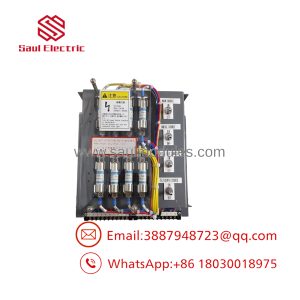
The NABCO (Nabtesco) COP-001-11B is a heavy-duty pneumatic control valve designed for marine main engine air control systems and industrial pneumatic automation panels. It acts as a critical signal switching component, routing pilot air pressure to actuate main starting valves, fuel rack positioners, and reversing mechanisms on marine diesel engines (such as MAN B&W and Mitsubishi UE engines).
Engineered to withstand the severe marine engine room environment, the COP-001-11B utilizes oil-resistant internal seals and precision-machined spools to handle compressed air contaminated with moisture and oil vapor. Its modular manifold design allows direct drop-in integration into standard NABCO pneumatic control cabinets, delivering instantaneous response times during critical harbor maneuvering and crash-stop operations.
Key Technical Specifications
| Parameter | Specification |
| Manufacturer | NABCO / Nabtesco Corporation |
| Part Number | COP-001-11B |
| Fluid / Medium | Compressed Air (Filtered, Lubricated or Non-Lubricated) |
| Operating Pressure Range | 0.1 MPa to 0.9 MPa (1.0 bar to 9.0 bar / 14.5 to 130 PSI) |
| Proof / Burst Pressure | 1.5 MPa (15 bar / 217 PSI) |
| Operating Temperature | -5°C to +60°C (23°F to 140°F) |
| Body Material | Corrosion-Resistant Aluminum Alloy / Brass Internal Trim |
| Seal Material | High-Grade NBR (Nitrile) Fluorocarbon Seals |
| Port Interface | Threaded / Sub-base Manifold Flange Mount |
| Application Scope | Marine Propulsion Engine Pneumatic Control / Bridge Control Systems |
Application Scenarios & The “Trench” Experience
Picture this: The pilot takes the wheel to guide a 100,000 DWT bulk carrier into a tight anchorage. The bridge signals “Astern,” but the main engine fails to reverse. Down in the control room, the chief engineer finds that a stuck pilot valve in the pneumatic maneuvering stand is bleeding off operating air. The internal seals on an old COP series valve swelled and jammed the spool after years of heat exposure and compressor oil carryover. Swapping in a fresh, bench-tested COP-001-11B valve unit restores full maneuvering air pressure in minutes, preventing a collision with the pier.
- Commercial Marine Propulsion – Bridge Control Panels – Controls air distribution to engine governor speed settings and maneuvering air logic circuits.
- Shipboard Auxiliary Systems – Air Starting Racks – Manages pilot air actuation for main diesel starting air distributor valves.
- Industrial Automation – Heavy Pneumatic Presses – Directs high-flow pneumatic pilot circuits in rugged manufacturing environments where solenoid valves lack force or speed.
Field Case Study
A 2,800 TEU container ship experienced intermittent engine starting failures while docking in Rotterdam. Diagnostics revealed that the maneuvering air pressure was dropping past the minimum actuation threshold due to internal air leakage across a worn COP-001-11B valve inside the main control stand. The vessel couldn’t receive harbor clearance until the maneuvering system passed class testing. The port engineer secured a factory-sealed surplus COP-001-11B valve, replaced the leaking module in 30 minutes, and passed the maneuvering test on the first try—keeping the vessel on schedule.
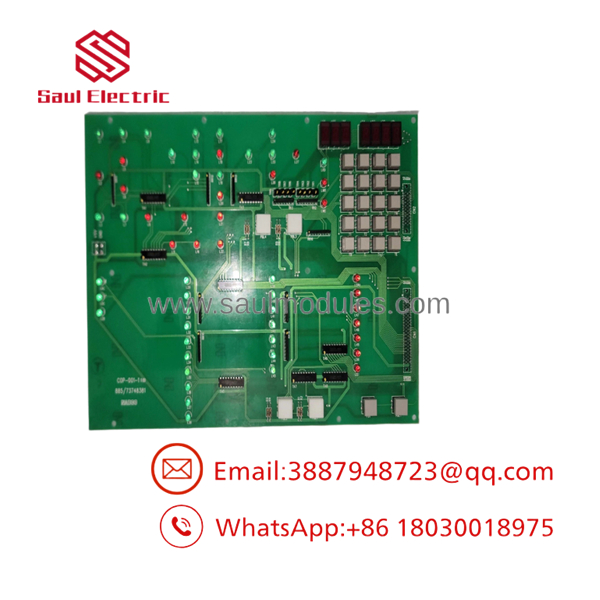
COP-001-11B
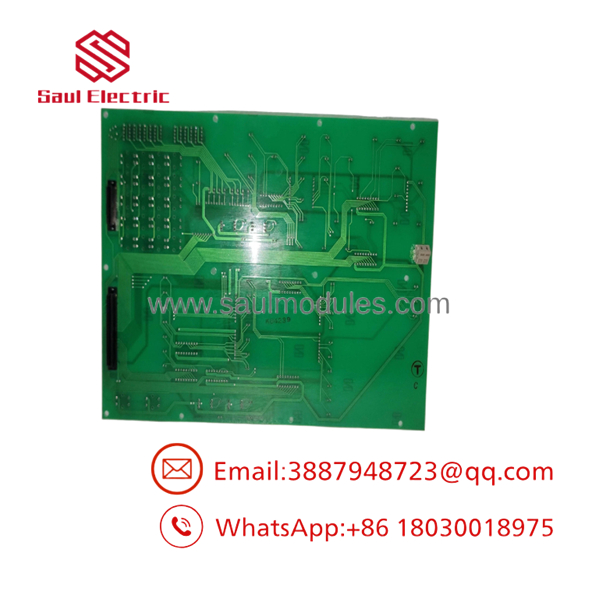
COP-001-11B
Transparency SOP: Quality Assurance & Testing
Every NABCO pneumatic valve is thoroughly tested on our physical pneumatic test benches before dispatch.
- Inbound Structural Inspection: Check for casting damage, port thread integrity, corrosion on mounting surfaces, and verify genuine NABCO / Nabtesco nameplate markings.
- Static Pressure Leakage Test: Apply nominal operating pressure (0.7 MPa) to input ports and conduct bubble/ultrasonic leak checks around the valve body, end caps, and spool seals.
- Dynamic Spool Actuation Checks: Cycle the valve through 100 consecutive pneumatic actuation cycles at minimum and maximum operating pressures to confirm smooth spool movement without binding.
- Flow Rate & Response Measurement: Measure pressure drop across output ports during full actuation to verify uninterrupted pilot air delivery.
- Cleanroom Blowdown & Packaging: Flush all ports with dry, filtered air, install protective thread caps, seal the valve in vapor-corrosion-inhibitor (VCI) bags, and package it in custom foam containers for safe global transit.
The Veteran’s Tech Trap Guide (Crucial Value-Add)
- ⚠️ Blow Out Air Lines Before Installation: Never bolt a new directly to an old pneumatic manifold without purging the lines first. Scale, rust particles, or dried compressor oil from legacy pipework will quickly scar the new spool seals and cause premature internal blowing.
- ❗ Check O-Ring Seating on Sub-Base Mounts: If your mounts onto a sub-base manifold, double-check that all port O-rings are firmly seated in their grooves. A pinched O-ring will lead to cross-port leakage that ruins engine maneuvering timing.
- ⚠️ Mind the Suffix Code: Pay close attention to the exact suffix (“11B”). Variations in NABCO COP series suffixes often denote different internal spring tensions, port configurations, or spool stroke lengths. Installing a different suffix valve can cause sluggish engine reversing.
- ❗ Verify Air Supply Quality: Ensure the air supply passes through an operational filter-regulator unit. Excessive water carryover in control air will wash out factory seal grease and cause internal oxidation inside the aluminum valve chamber.
Frequently Asked Questions (FAQ for Conversion)
Q: Is the NABCO interchangeable with other NABCO COP series valves?
A: No, not directly. While they may look similar externally, suffix variations (like “-11B”) indicate specific internal porting logic, spring returns, and orifice sizes designed for specific engine maneuvering sequences. Always match the complete model number.
Q: Can I rebuild my existing with a standard seal kit?
A: Seal kits are available for some NABCO models, but if the internal bore of the valve body is scored or corroded from wet compressed air, replacing the seals alone will not stop internal air bypass. Swapping the entire valve block is the safest long-term fix.
Q: How do I verify if internal seal bypass is occurring on this valve?
A: Apply operating air pressure to the supply port while keeping pilot signals inactive. Check the exhaust or secondary ports with a soapy water leak detector. Continuous bubbling indicates internal spool seal degradation.
Q: Are these units original NABCO / Nabtesco manufacture?
A: Yes, we supply authentic NABCO / Nabtesco pneumatic hardware sourced through verified marine surplus inventory, vessel decommissioning stocks, and shipyard spares.
Q: What warranty coverage is provided with this valve?
A: Every NABCO unit comes with a full 12-month functional replacement warranty from the date of delivery.


 Start Chat


