





Description
Product Introduction & Engineering Value
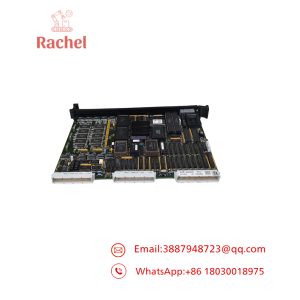
A failed safety I/O module can stop an entire production cell. The PSS DI2O T was developed for exactly this type of application: reliable safety signal acquisition and output control inside Pilz PSS systems. It supports integration with safety devices such as light curtains, emergency stop circuits, and monitored protective equipment.
For maintenance teams operating legacy Pilz installations, this module remains a critical spare when avoiding a complete safety PLC migration. Correct firmware compatibility, system software support, and parameter verification are essential before replacement.
Technical Specifications
| Specification | Details |
|---|---|
| Manufacturer | Pilz GmbH & Co. KG |
| Model | PSS DI2O T |
| Product Category | Safety digital I/O module |
| Controller Platform | Pilz PSS / PSS1 safety PLC systems |
| Supply Voltage | 24 V DC |
| Signal Type | Digital safety inputs and outputs |
| Input Delay | Approximately 1 ms |
| Pulse Suppression | ≤ 300 µs |
| Status Indication | LED per input channel |
| Mounting Method | PSS module rack installation |
| Protection Rating | IP20 when installed in module rack |
| Operating Temperature | 0 °C to +60 °C |
Technical values are based on Pilz PSS DI2O T operating documentation.
Field Application & The “Trench” Experience
A packaging plant running a 1990s-era automated palletizing line experienced intermittent safety shutdowns caused by a failing PSS DI2O T module. The original module had accumulated years of thermal cycling inside the control cabinet. The maintenance team replaced the unit during a scheduled outage, verified the PSS configuration, checked safety device wiring, and restored operation without modifying the existing safety program.
The important lesson from the field: replacing safety hardware is not simply a plug-and-play exercise. The module, controller operating system, and application software must all match.
Common applications include:
- Robotic cell protective door monitoring with dual-channel safety switches
- Machine guarding systems using safety light curtains
- Press brake emergency stop and operator protection circuits
- Material handling systems requiring monitored shutdown functions
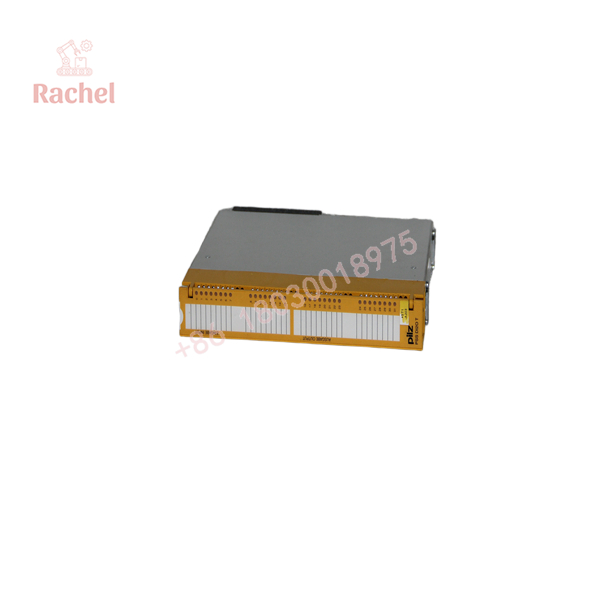
PSS DI2O T
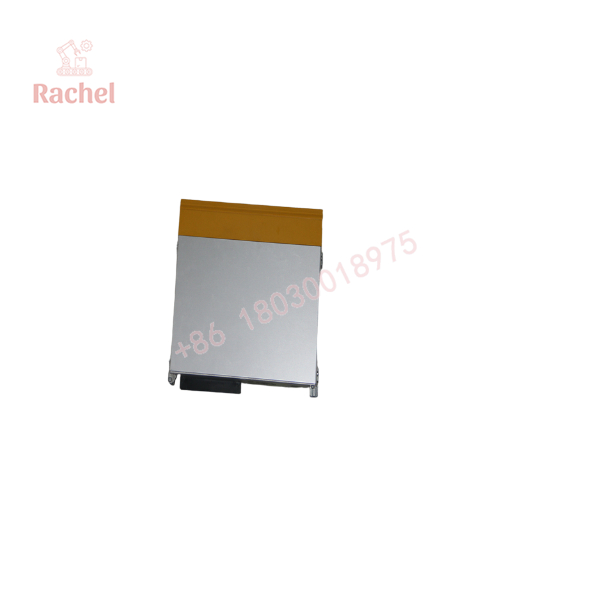
PSS DI2O T
Transparency SOP: QA & Testing
Every PSS DI2O T module should be evaluated before installation into a safety system.
Inspection and verification process:
- Visual inspection
- Check housing condition
- Inspect connector pins and terminals
- Verify labels and identification markings
- Electrical testing
- Confirm 24 V DC power response
- Check input channel behavior
- Verify output switching response
- Functional validation
- Test LED diagnostics
- Confirm communication with compatible PSS CPU hardware
- Verify no abnormal module fault indications
For refurbished or surplus safety modules, traceability and functional verification are important because these components directly affect machine safety performance.
The Veteran’s Tech Trap Guide
⚠️ Firmware and CPU compatibility matters
Older Pilz PSS systems have strict compatibility requirements. Confirm the controller operating system version before installation. Some CPU versions require specific support levels for PSS DI2O T operation.
⚠️ Do not ignore safety configuration files
Replacing the physical module does not automatically guarantee correct operation. Verify the PSS configuration project, I/O mapping, and safety validation records.
PRO TIP: Photograph the original module wiring and terminal arrangement before removal. Safety I/O troubleshooting becomes much faster when the original installation state is documented.
⚠️ ESD damage is easy to miss
Safety modules can appear normal externally while suffering internal electronic damage. Always use proper ESD handling procedures during replacement.
Dynamic FAQ
Q1. What is the Pilz PSS DI2O T used for?
The PSS DI2O T is a safety digital input/output module for Pilz PSS safety controller systems. It processes safety-related field signals and supports controlled safety functions.
Q2. Is the PSS DI2O T still available as a new OEM product?
Some older Pilz PSS modules have reached end-of-life status, so availability may depend on remaining OEM stock, surplus inventory, or tested replacement channels. Pilz provides successor guidance for discontinued products.
Q3. Can I replace a PSS DI2O T with another Pilz I/O module?
Not directly. Replacement depends on the safety function, wiring design, controller compatibility, and validated application configuration.
Q4. What should be checked before installing a replacement PSS DI2O T?
Verify:
- Compatible PSS CPU version
- Correct system software support
- Existing I/O configuration
- Safety validation documentation
Q5. Do refurbished PSS DI2O T modules include testing?
A qualified refurbished unit should include inspection, electrical verification, and functional checks before shipment. Always confirm the supplier’s testing procedure and warranty terms.
Q6. What warranty should I expect when purchasing a surplus Pilz PSS DI2O T?
Warranty terms depend on the supplier. Industrial automation spare part providers typically offer limited warranty coverage based on tested condition, return policy, and product classification (new surplus, refurbished, or used).

 Start Chat


