





Description
Product Introduction & Engineering Value
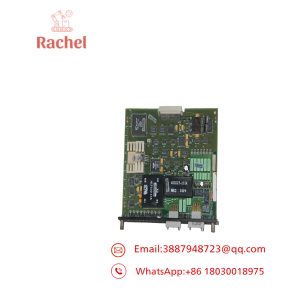
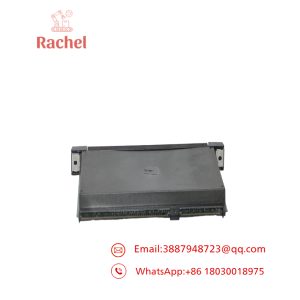
The Reliance Electric DDS-LPS is encountered in the legacy industrial automation spare-parts market as a processor/control module. Available distributor records associate the part with Reliance Electric and Rockwell industrial control equipment, but detailed primary-source technical documentation is difficult to locate.
That makes exact identification especially important. For a replacement, use the complete module marking, board revision, connector arrangement, installed rack/system, and adjacent module numbers. Do not select a substitute solely because another supplier describes DDS-LPS as a generic “controller module.”
Technical Specifications
| Parameter | Specification / Status |
|---|---|
| Manufacturer | Reliance Electric |
| Model | DDS-LPS |
| Product Type | Processor / control unit |
| Control System | Reliance Electric legacy control system |
| Processor Type | Verify |
| Program Memory | Verify |
| Data Memory | Verify |
| Input Voltage | Verify from nameplate |
| Power Consumption | Verify |
| I/O Capacity | Verify |
| Communication Interfaces | Verify |
| Backplane Compatibility | Verify |
| Hardware Revision | Critical — verify |
| Firmware | Verify |
| Operating Temperature | Verify |
| Mounting / Rack Position | Verify from system documentation |
Important technical qualification: I found no sufficiently authoritative Reliance Electric datasheet that establishes the complete electrical and functional specification of DDS-LPS. One distributor describes it as a processor unit, while another page gives unrelated analog-input specifications. Because these sources conflict, those numerical claims should not be used for an engineering specification.
Field Application & the “Trench” Experience
A legacy Reliance control cabinet develops a CPU-related fault during production. The maintenance database contains only DDS-LPS, with no detailed description.
The replacement team initially finds several online listings using the same designation but describing the part differently. Rather than choosing based on the cheapest listing, the engineer photographs the original board, records the rack position and neighboring modules, and compares the PCB layout and connectors against the proposed spare.
That is the right approach for obscure legacy Reliance hardware. The system configuration becomes part of the identification process.
Potential applications include:
- Legacy Reliance Electric machine-control systems
- Older drive-control installations
- Industrial process-control cabinets
- OEM equipment using Reliance/Rockwell control hardware
- Production machinery where the original controller architecture remains in service
Reliance Electric DDS-LPS is still listed by several industrial automation spare-parts suppliers as a processor/control component.
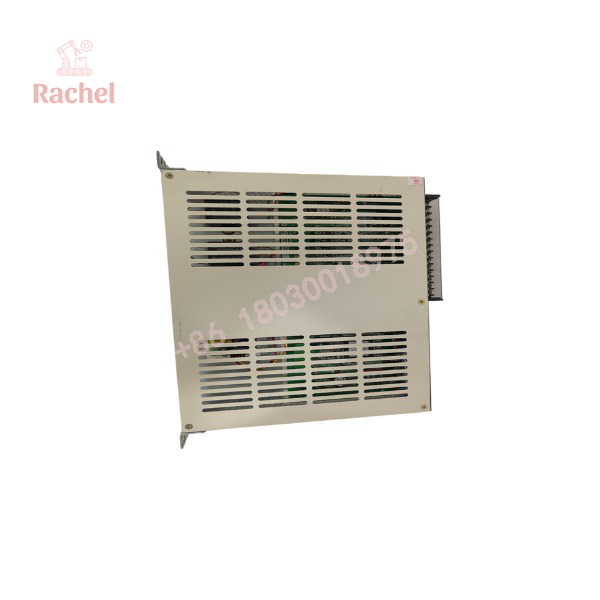
DDS-LPS
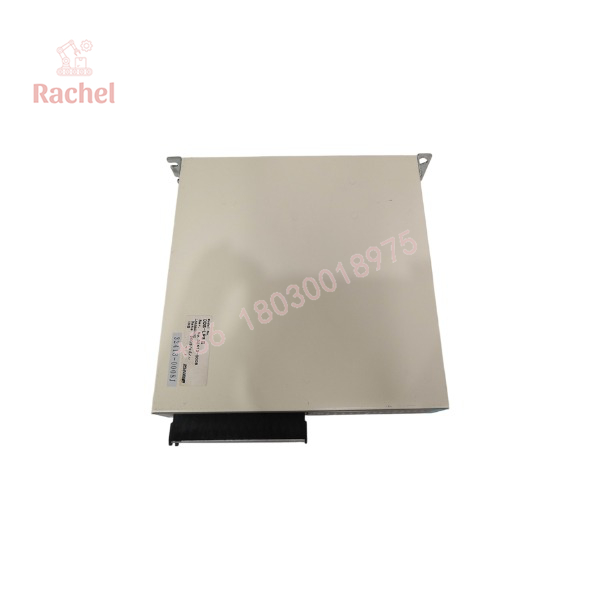
DDS-LPS
Transparency SOP: QA & Testing
For New Surplus or Refurbished DDS-LPS inventory, testing should proceed in this order:
- Identity check — Confirm the exact Reliance Electric DDS-LPS marking.
- Revision capture — Record board revision, serial number, date code, and any secondary part numbers.
- Visual inspection — Examine the PCB, connectors, edge contacts, components, and mounting hardware.
- Electrical inspection — Confirm the correct system supply requirements before applying power.
- Controlled startup — Power the module in a compatible Reliance test environment.
- Diagnostic check — Verify processor/status indicators and controller initialization.
- System communication — Confirm communication with the appropriate backplane and connected modules.
- Functional test — Execute a known-good control configuration where the correct test system is available.
- Documentation — Record measured results and identify exactly which functions were tested.
A supplier describing DDS-LPS as “power-on tested” has not necessarily demonstrated processor, I/O, or system-level functionality.
The Veteran’s Tech Trap Guide
⚠️ Do not trust conflicting distributor specifications.
The online evidence for DDS-LPS is inconsistent. One source calls it a processor unit, while another incorrectly or ambiguously associates the same designation with analog-input specifications.
PRO TIP: For an RFQ, include a clear photograph of the front label and PCB, plus the controller rack and adjacent modules.
⚠️ Verify the exact rack architecture.
A processor module can be mechanically similar to other Reliance hardware while having completely different backplane or firmware requirements.
⚠️ Preserve the original configuration.
Before removing a failed controller, capture program/configuration backups if accessible. Also record switch settings, jumper positions, rack location, and cable connections.
⚠️ Don’t assume a reseller’s “Rockwell” description establishes modern Allen-Bradley compatibility.
Reliance Electric became part of the Rockwell Automation lineage, but legacy Reliance hardware should not automatically be considered compatible with current Allen-Bradley ControlLogix or CompactLogix platforms.
Dynamic FAQ
Q1. What is the Reliance DDS-LPS?
DDS-LPS is identified by multiple industrial automation suppliers as a Reliance Electric processor/control unit used in legacy industrial control equipment.
Q2. Is DDS-LPS a processor or an analog I/O module?
The stronger identification evidence describes it as a processor unit/control module. Some secondary websites attach unrelated analog-input specifications to the DDS-LPS designation. Because those descriptions conflict, the physical nameplate and original system documentation should control the identification.
Q3. What voltage does DDS-LPS require?
I would not publish a voltage rating without the exact hardware documentation. The publicly available sources I found do not establish a reliable electrical rating.
Q4. Can DDS-LPS be replaced with another Reliance processor?
Not automatically. Check the system family, rack/backplane, firmware, hardware revision, connectors, application program, and neighboring modules before approving a substitute.
Q5. How should New Surplus DDS-LPS inventory be authenticated?
Request photographs of the actual unit showing the Reliance Electric marking, complete DDS-LPS designation, board revision, serial/date information, PCB, connectors, and packaging. New Surplus should be distinguished from used or refurbished stock.
Q6. What warranty should I request?
For refurbished inventory, request written coverage for CPU startup, diagnostics, communications, and the specific functions actually tested. A supplier should identify whether testing was performed on a compatible Reliance system or only by bench power-up.
Q7. Is DDS-LPS still a good spare to hold?
If the machine still depends on the legacy Reliance architecture, maintaining at least one verified spare can be sensible. Because the part is primarily encountered through legacy inventory channels, procurement should also include lifecycle tracking and a migration plan rather than waiting for an emergency failure.

 Start Chat


