





Description
3. Product Introduction & Engineering Value
In large drive or process systems, accurate analog data is the foundation of closed-loop control. The TMEIC ARND-3120 delivers 16 isolated analog input channels that accept common industrial signal types and convert them into high-resolution digital values for the controller.
Each channel is software-selectable for 4–20 mA, 1–5 V, 0–10 V, or ±10 V, eliminating most external signal conditioners. Galvanic isolation and high common-mode rejection keep readings stable even when the module sits near large VFDs or switchgear. Plants running TMEIC drive and process platforms keep tested ARND-3120 modules on the shelf because they restore measurement capability without redesigning the I/O architecture.
4. Technical Specifications
Manufacturer: TMEIC
Product Type: Analog Input I/O Module
Input Channels: 16 differential
Input Signal Types: 4–20 mA (internal 250 Ω shunt), 1–5 V, 0–10 V, ±10 V (software-configurable per channel)
Resolution: 16-bit ADC
Accuracy: ±0.1 % of full scale at 25 °C
Isolation: 500 VDC channel-to-channel and channel-to-ground
Sampling Rate: Up to 100 samples/sec per channel
Diagnostics: Per-channel open-circuit detection and overrange alarm
Operating Temperature: 0 °C to +60 °C
Power: Supplied via backplane (approx. 3.2 W)
Mounting: Rack / backplane or DIN-rail compatible
5. Field Application & The “Trench” Experience
A steel rolling mill lost several critical process measurements after an ARND-3120 failed in the main drive control cabinet. Tension and thickness loops went open. A tested replacement module was installed, the existing wiring was reconnected, and the analog values returned within minutes. The mill resumed production without a full I/O redesign or software rewrite.
Typical uses:
- Process variable acquisition in steel rolling and metal processing lines
- Analog monitoring in large motor drive and turbine control systems
- High-density signal collection in cement, power generation, and continuous process plants
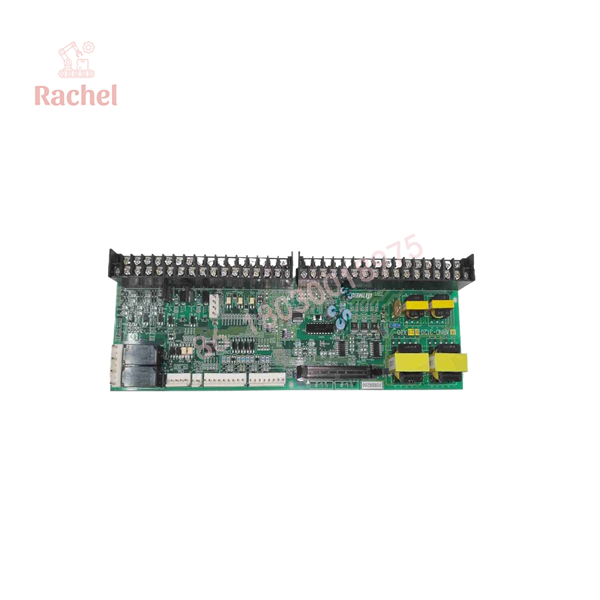
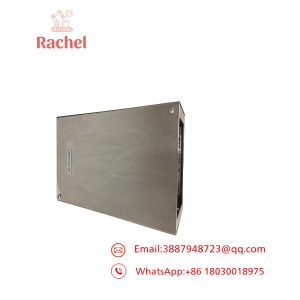
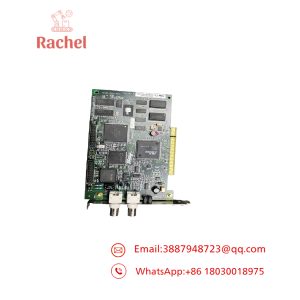
ARND-3120
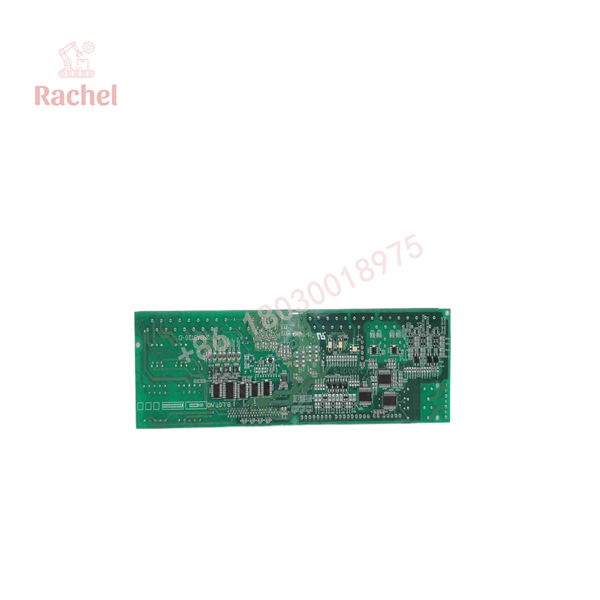
ARND-3120
6. Transparency SOP: QA & Testing
- Visual inspection of connectors, board condition, and labeling
- Power-up and backplane communication verification
- Channel-by-channel signal injection across supported ranges
- Isolation and diagnostic function checks
- Extended stability run under simulated industrial conditions
- Final configuration verification and packaging
7. The Veteran’s Tech Trap Guide
⚠️ Range configuration is software-based. Leaving a channel set to the wrong input type produces scaled but incorrect values that look plausible until the process drifts. Always verify the configured range against the field transmitter after installation.
PRO TIP: These modules rely on clean backplane power. A marginal power supply can cause intermittent open-circuit or overrange alarms that appear to be field wiring problems.
⚠️ Isolation is valuable but not infinite. Confirm that field wiring shields and grounding practices match the system design. Improper grounding can still introduce noise despite the module’s isolation rating.
8. Dynamic FAQ
Q: How many channels does the ARND-3120 provide?
A: 16 differential analog input channels.
Q: What signal types does it accept?
A: 4–20 mA, 1–5 V, 0–10 V, and ±10 V, selectable per channel in software.
Q: Is channel isolation included?
A: Yes. 500 VDC isolation is provided between channels and from channel to ground.
Q: What systems use the ARND-3120?
A: TMEIC drive control panels and process automation platforms, commonly found in steel, cement, power, and large motor drive applications.
Q: What warranty is typical on refurbished units?
A: Functional testing is standard. Confirm the exact coverage period with the supplier.
Q: Can individual channels be diagnosed?
A: Yes. The module provides per-channel open-circuit detection and overrange alarms.

 Start Chat


