





Description
Product Introduction & Engineering Value
The Triconex 3008 is a legacy Triconex main processor associated with the Tricon safety instrumented system. Its significance is not simply that it is a processor; it operates within a fault-tolerant Triple Modular Redundancy (TMR) architecture in which redundant processing elements cooperate to maintain control availability and detect hardware discrepancies.
Replacing one in a live safety system requires considerably more discipline than replacing an ordinary PLC CPU. Hardware revision, firmware, system configuration, processor synchronization, and the site’s safety-management procedures all need to be considered before commissioning.
Technical Specifications
- Manufacturer: Triconex / Schneider Electric
- Model: 3008
- Product Family: Tricon
- Component Type: Main processor
- System Architecture: Triple Modular Redundancy
- Primary Function: Tricon system logic processing and controller operation
- Application: Safety instrumented systems
- System Class: Fault-tolerant process-control architecture
- Installation: Tricon chassis
- Configuration: Tricon system/software dependent
- Firmware: Revision-dependent
- Lifecycle: Legacy hardware
- Replacement: Must be evaluated against the installed Tricon system revision
Safety-system qualification matters
A Triconex processor is not an ordinary commercial PLC component. The fact that a replacement module powers up does not establish that it is suitable for a safety instrumented function.
For a production SIS, verify the exact Tricon model, hardware revision, firmware, system configuration, safety certification status, and maintenance procedure applicable to the installed system.
Field Application & the “Trench” Experience
Consider a process plant with a legacy Tricon safety system protecting a critical shutdown function. One processor develops a diagnostic fault.
The maintenance team has a spare 3008 available. Physically, the swap is straightforward. The difficult part is what happens afterward.
The processor must operate correctly within the redundant Tricon architecture. Configuration, diagnostics, synchronization, and system status all need to be checked before the system is returned to service. In an SIS environment, “the LEDs look normal” is not an adequate commissioning criterion.
Specific application scenarios
- Emergency shutdown system — Processing safety logic associated with critical shutdown functions in process facilities.
- High-integrity process protection — Supporting redundant control logic where continued operation and fault detection are important.
- Legacy Tricon SIS maintenance — Replacing an aging processor while preserving the existing safety-system architecture.
- Critical process interlocking — Executing configured safety logic for equipment and process protection.
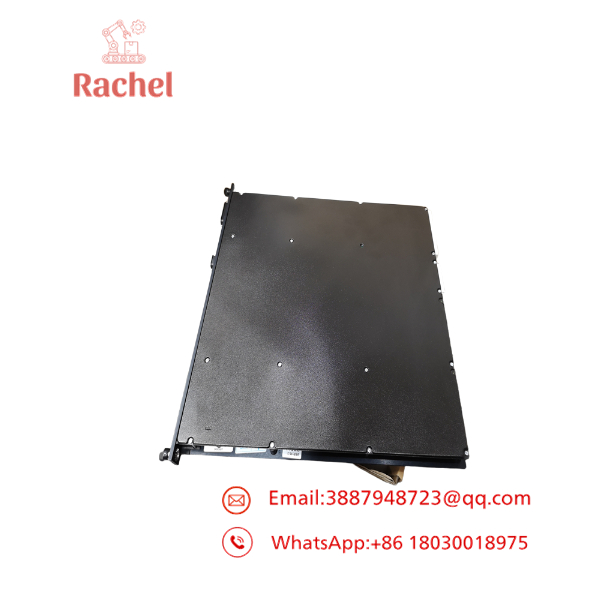
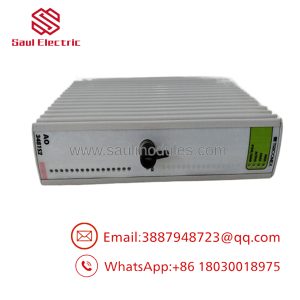
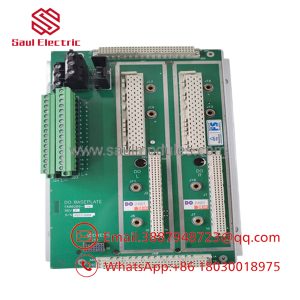
3008
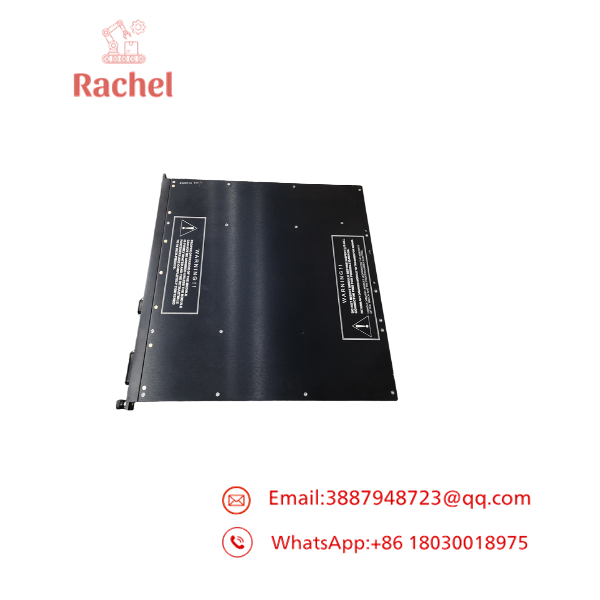
3008
Transparency SOP: QA & Testing
For new-surplus or refurbished Triconex 3008 stock, testing must go beyond a basic power-up check.
Recommended acceptance procedure:
- Identity verification — Confirm the complete 3008 identification and hardware revision.
- Physical inspection — Check the module housing, backplane connector, labels, indicators, and signs of contamination or overheating.
- Firmware verification — Record the installed firmware revision where accessible.
- Test-rack installation — Install the processor in an appropriate Tricon test environment.
- System recognition — Confirm that the Tricon system recognizes the processor correctly.
- Redundancy/diagnostic verification — Verify processor status and applicable TMR diagnostics.
- Configuration test — Confirm compatibility with the intended system configuration.
- Extended run test — Monitor processor status for intermittent faults.
- Documentation review — Record test results and configuration information before release.
For a safety-system spare, ask the supplier whether testing was performed on a Tricon test rack and what diagnostic functions were actually verified.
The Veteran’s Tech Trap Guide
⚠️ Trap #1 — Treating a Triconex processor like a standard PLC CPU.
It isn’t. The processor participates in a safety architecture with redundancy and diagnostics. Replacement procedures should follow the site’s SIS maintenance and management-of-change requirements.
PRO TIP: Before removing the failed processor, record the system configuration, hardware revision, firmware information, diagnostic state, and processor position.
⚠️ Trap #2 — Ignoring hardware/firmware compatibility.
A processor from the same broad Tricon family may not automatically be suitable for every system revision. Verify compatibility before installing a surplus unit.
⚠️ Trap #3 — Accepting “tested” without a test definition.
Ask whether the module was simply powered up or actually installed in a Tricon chassis and evaluated for processor diagnostics, redundancy behavior, and system communication.
⚠️ Trap #4 — Bypassing the SIS validation process.
Replacing the hardware does not replace the site’s safety verification requirements. After maintenance, the appropriate proof-test, diagnostic, and functional-verification procedures must be followed.
Dynamic FAQ
What is Triconex 3008?
The Triconex 3008 is a legacy Tricon main processor module used within Tricon safety instrumented systems employing a fault-tolerant redundant architecture.
Is Triconex 3008 a safety PLC CPU?
It functions as a processor within the Tricon safety-system architecture. It should not be treated as a conventional PLC CPU because its application involves the system’s redundant safety-control architecture.
Can I replace a 3008 with another Tricon processor?
Not without verification. Check the Tricon system generation, processor revision, firmware, configuration, certification requirements, and site-approved replacement procedure.
How should a refurbished 3008 be tested?
The preferred approach is a controlled Tricon test environment. Verify processor recognition, diagnostics, redundancy-related behavior, configuration compatibility, and sustained operation. A simple bench power test is insufficient for a critical SIS spare.
Is new-surplus Triconex 3008 stock acceptable?
It can be appropriate for maintaining legacy systems, provided the unit’s authenticity, condition, hardware revision, and testing are documented. For safety applications, the plant’s approved vendor and lifecycle requirements should also be considered.
What should I ask the supplier before ordering?
Request the actual module photograph, complete identification, hardware revision, firmware information where available, condition classification, test report, warranty, and return terms.
What warranty should I expect?
Warranty is supplier-specific. For a safety-system processor, obtain written warranty coverage and understand whether the supplier guarantees functional operation or merely offers a limited component-return policy.

 Start Chat


