





Description
Product Introduction
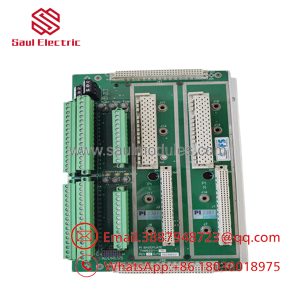
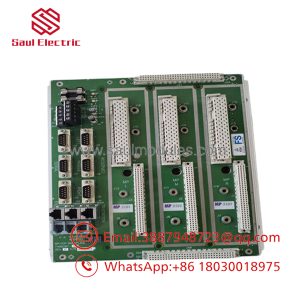
The Triconex 3008 is the Main Processor (MP) used in Tricon v9.6 and later Safety Instrumented Systems (SIS). Every Tricon controller requires three identical 3008 processors, one in each TMR channel, to execute the application program independently while continuously comparing results through the hardware voting mechanism.
Unlike a conventional PLC CPU, the 3008 operates as one member of a Triple Modular Redundant architecture. Each processor independently scans I/O, executes user logic, performs diagnostics, and exchanges data over the TriBus. A disagreement between channels is automatically detected and isolated without shutting down the safety application, provided system fault tolerance is maintained.
Key Technical Specifications
| Parameter | Value |
|---|---|
| Manufacturer | Triconex (Invensys / Schneider Electric) |
| Model | 3008 |
| Product Type | Main Processor Module (MP) |
| Compatible Systems | Tricon Version 9.6 and Later |
| Processor | Motorola MPC860, 32-bit, 50 MHz |
| DRAM | 16 MB (Non-Battery Backed) |
| SRAM | 32 KB Battery-Backed |
| Flash Memory | 6 MB Flash PROM |
| TriBus Communication | 25 Mbps, CRC-Protected, Fully Isolated |
| Serial Port | Optically Isolated RS-232 Diagnostic Port |
| Time Synchronization | TriClock with Battery Backup |
| Installation | Three MPs Required per Main Chassis |
| Typical Application | SIL 3 Safety Instrumented Systems |
The 3008 replaces earlier-generation processors in later Tricon platforms and is intended for systems using Tricon v9.6 or newer. Three identical processor modules must be installed in every main chassis for normal TMR operation.
Application Scenarios & The “Trench” Experience
Few failures create more anxiety than a processor fault inside a safety controller.
A refinery experiences a processor fault alarm during routine proof testing. Operators immediately prepare for a complete SIS shutdown. Fortunately, the remaining processor channels continue executing the safety logic while maintenance identifies the defective module. That’s exactly what a properly functioning TMR architecture is designed to do.
Typical Applications
Oil & Gas — Emergency Shutdown Systems (ESD) — Executes shutdown logic for high-pressure process units.
Refining — Burner Management Systems (BMS) — Processes combustion safety logic with Triple Modular Redundancy.
LNG Facilities — Compressor Protection — Executes overspeed and emergency trip algorithms.
Power Generation — Turbine Protection Systems — Performs SIL-rated turbine trip calculations.
Chemical Processing — Reactor Safety Systems — Maintains continuous execution of safety instrumented functions.
Field Replacement Example
During an annual shutdown at a combined-cycle power plant, one 3008 processor reported repeated self-diagnostic faults while the remaining two channels continued operating normally. Maintenance replaced only the affected processor, verified firmware consistency across all three channels, synchronized the configuration using TriStation, and completed startup without replacing the complete controller. The repair reduced outage time and preserved the validated SIS configuration.
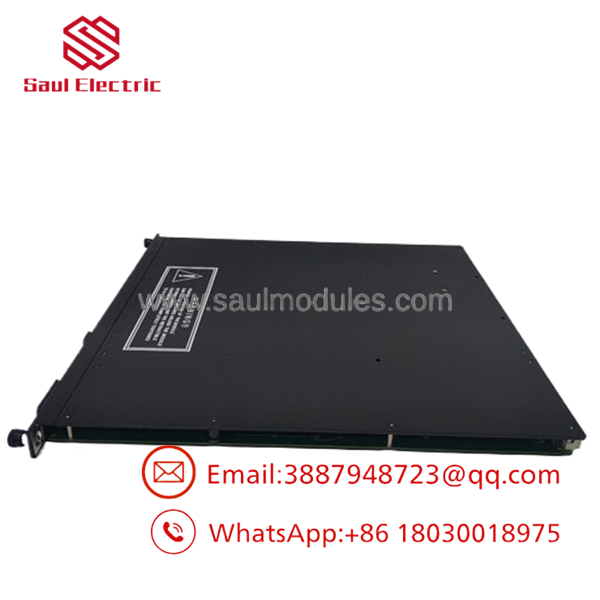
- 3008
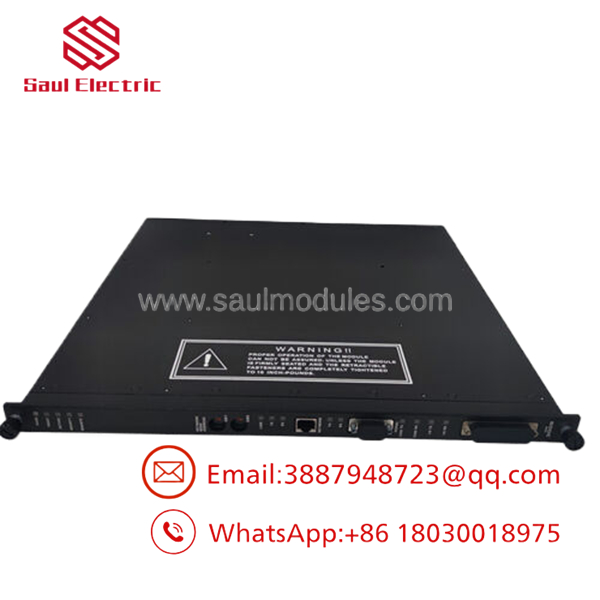
- 3008
Transparency SOP: Quality Assurance & Testing
We don’t just ship boxes; we test them on actual Triconex hardware whenever compatible equipment is available.
1. Inbound Inspection
- Verify OEM labels and serial numbers
- Inspect PCB for overheating or unauthorized repair
- Examine connectors for pin damage
- Verify battery condition where applicable
2. Live Rig Testing
- Install into a compatible Tricon main chassis
- Verify successful boot sequence
- Confirm PASS, ACTIVE, and FAULT indicators
- Test TriBus communication
- Verify processor recognition by the system
3. Electrical Parameter Checks
- Input power verification
- Internal voltage rail inspection
- Communication interface testing
- Connector continuity verification
4. Firmware Verification
- Record firmware revision
- Record hardware revision
- Confirm compatibility with the installed Tricon software version
5. Final QC & Anti-static Packaging
- Functional inspection
- Anti-static moisture-barrier packaging
- Industrial shock-resistant cushioning
- Serialized inventory tracking
- 12-month warranty documentation
The Veteran’s Tech Trap Guide
⚠️ Replace One Processor at a Time
Never remove multiple Main Processors unless the maintenance procedure specifically requires it. The Tricon controller depends on three synchronized processor channels.
⚠️ Firmware Revisions Must Match
A processor with a different firmware revision may boot successfully but still generate synchronization or diagnostic faults. Always compare firmware before installation.
❗Don’t Ignore the Battery Alarm
The battery supports the 32 KB SRAM and TriClock. A low-battery warning won’t necessarily stop the controller today, but it can result in loss of retained data after a power outage. Plan battery replacement during scheduled maintenance.
⚠️ Verify the Chassis Version
The 3008 is intended for Tricon v9.6 and later. Earlier Tricon generations use different processor modules that are not interchangeable. Confirm the controller version before ordering.
Frequently Asked Questions (FAQ)
Q1. Is the Triconex 3008 the CPU of the Tricon system?
Yes. The 3008 is the Main Processor (MP) responsible for executing the application program, diagnostics, communications, and safety logic. Every Tricon controller requires three identical 3008 modules operating in parallel.
Q2. Can one failed processor shut down the entire system?
Not normally. The Triple Modular Redundant (TMR) architecture is designed to continue operating after a single processor failure while reporting diagnostics. Continued operation depends on the overall health of the remaining channels and the system configuration.
Q3. Does the 3008 support hot replacement?
Yes, under approved Tricon maintenance procedures. The Tricon platform is designed to diagnose persistent processor faults and supports hot replacement of a failed Main Processor when performed according to the OEM maintenance documentation. Always follow your site’s Management of Change (MOC) and safety procedures before attempting online replacement.
Q4. What software is used with the 3008?
The processor is programmed and maintained using TriStation 1131, depending on the installed Tricon system version and project configuration. Firmware and software compatibility should always be verified before commissioning.
Q5. Why is this module more expensive than many PLC CPUs?
The 3008 is designed for SIL 3 safety systems using Triple Modular Redundancy. Its architecture, diagnostics, and fault-tolerant operation are fundamentally different from those of a standard PLC processor.
Q6. Is every processor tested before shipment?
Yes. Each unit undergoes visual inspection, power-up verification, processor diagnostics, communication testing, firmware identification, and final quality inspection before anti-static packaging.
Q7. How do I verify compatibility before ordering?
Confirm the following:
- Part number (3008)
- Tricon system version (v9.6 or later)
- Hardware revision
- Firmware revision
- Chassis model
- TriStation project compatibility
- Existing processor configuration
Veteran’s advice: If one processor reports a fault, don’t immediately assume the CPU is defective. Check the chassis connectors, power supplies, TriBus diagnostics, and event logs first. In many SIS troubleshooting cases, the processor is only reporting a fault that originated elsewhere in the controller.

 Start Chat


