





Description
Product Introduction
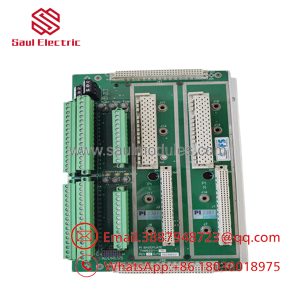
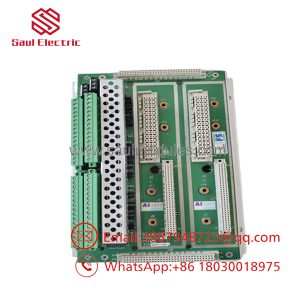
The Triconex 3301 (DI3301) is a 32-channel Digital Input Module developed for the Trident Safety Instrumented System (SIS). It receives discrete signals from field devices such as emergency stop buttons, limit switches, pressure switches, valve feedback contacts, and relay outputs. Each module incorporates three independent processing channels to support the Trident Triple Modular Redundant (TMR) architecture.
Unlike a conventional PLC input card, the 3301 continuously performs channel diagnostics and Force-to-Value Diagnostics (FVD) while the controller votes input data before executing safety logic. This architecture allows the system to tolerate single-channel faults while maintaining SIL-rated operation. Verify compatibility with the correct 2301 Digital Input Baseplate or approved Trident termination hardware before installation.
Key Technical Specifications
| Parameter | Value |
|---|---|
| Manufacturer | Triconex (Schneider Electric) |
| Model | 3301 (DI3301) |
| Product Type | Digital Input Module |
| System | Trident Safety Instrumented System |
| Architecture | Triple Modular Redundant (TMR) |
| Input Channels | 32 Commoned Digital Inputs |
| Nominal Input Voltage | 24 VDC |
| Operating Voltage | 15–30 VDC |
| Absolute Maximum Input | 33 VDC |
| Input Delay | <10 ms |
| Maximum Toggle Rate | <20 transitions/sec (for full diagnostic coverage) |
| Compatible Baseplate | Model 2301 Digital Input Baseplate |
| Diagnostics | Continuous Channel Diagnostics & Force-to-Value Diagnostics (FVD) |
Application Scenarios & The “Trench” Experience
Digital input failures rarely announce themselves.
Instead, operators begin seeing random valve status alarms, intermittent emergency stop indications, or nuisance shutdowns that disappear before anyone reaches the cabinet. More than once, we’ve seen technicians replace perfectly good pressure switches when the actual problem was a damaged input module or oxidized baseplate connector.
Typical Applications
Oil & Gas — Emergency Shutdown (ESD) Systems — Monitors shutdown pushbuttons, valve limit switches, and process interlocks.
Refining — Burner Management Systems (BMS) — Collects flame safeguard and permissive signals required for burner startup.
Power Generation — Turbine Protection — Monitors breaker status, trip contacts, and auxiliary protection relays.
Chemical Processing — Reactor Safety Systems — Receives discrete process alarms used for SIL shutdown logic.
LNG Facilities — Compressor Protection — Acquires digital feedback from isolation valves and emergency shutdown devices.
Field Replacement Example
A gas compression station experienced intermittent emergency stop alarms affecting several unrelated field devices. Individual switches and wiring insulation tested within specification. Engineers replaced the 3301 with a verified spare, reseated the 2301 baseplate connections, and repeated proof testing. The false trips disappeared, avoiding an unnecessary shutdown of a production compressor train.
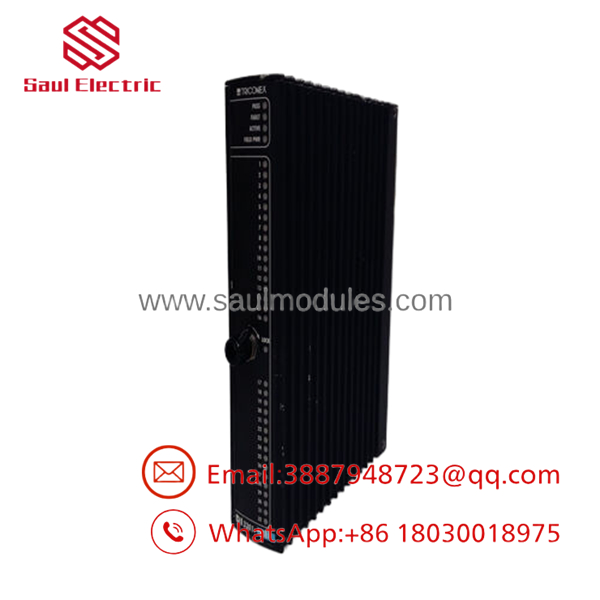
- 3301
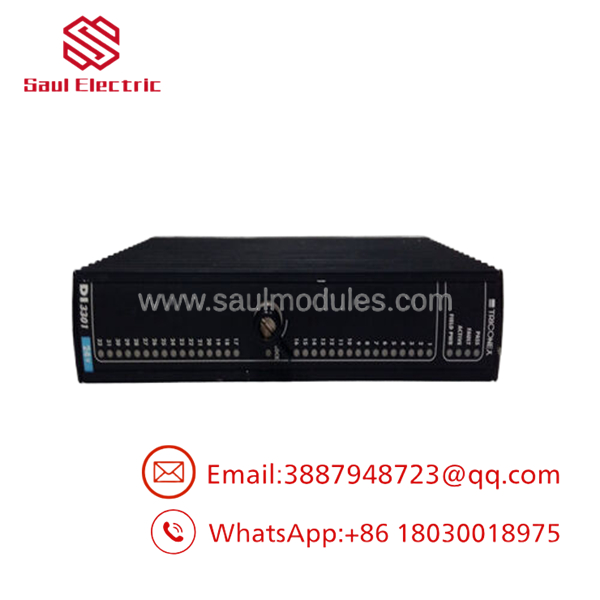
- 3301
Transparency SOP: Quality Assurance & Testing
We don’t just ship boxes; we test them on actual Triconex/Trident hardware whenever compatible equipment is available.
- Inbound Inspection
- Verify OEM labels and serial numbers
- Inspect PCB, connector fingers, and conformal coating
- Check for corrosion, overheating, or unauthorized repairs
- Live Rig Testing
- Install in a compatible Trident rack
- Verify power-up diagnostics
- Simulate digital input transitions
- Confirm communication with the Main Processor
- Verify channel status LEDs
- Electrical Parameter Checks
- Input threshold verification
- Connector continuity testing
- Internal voltage inspection
- Hardware Verification
- Record hardware revision
- Verify compatibility with installed firmware and baseplate
- Final QC & Anti-static Packaging
- Functional inspection
- Anti-static packaging
- Shock-resistant industrial cushioning
- Serialized inventory tracking
- 12-month warranty documentation
The Veteran’s Tech Trap Guide
⚠️ Don’t Condemn the Module Until You Check the Baseplate
The 3301 depends on proper contact with the 2301 Digital Input Baseplate. Oxidized connectors can create intermittent faults that look exactly like a failed input card.
⚠️ Watch the Input Voltage
The module expects 24 VDC nominal with an operating range of 15–30 VDC. Low field voltage can leave inputs in the transition region and generate unpredictable behavior.
❗Don’t Ignore Channel Diagnostics
If only one diagnostic channel reports faults while the other two remain healthy, investigate field wiring and termination before replacing the module. The TMR architecture is designed to help pinpoint problems rather than simply reporting “module failed.”
⚠️ Verify the Correct Module Family
The 3301 is designed for the Trident platform. Although Trident and Tricon share the Triconex name, many I/O modules are not interchangeable.
Frequently Asked Questions (FAQ)
Q1. Is the Triconex 3301 a standard PLC input module?
No. The 3301 is a TMR safety-rated digital input module for the Trident Safety Instrumented System. It performs continuous diagnostics and works with redundant processors to meet high-integrity safety requirements.
Q2. How many input channels does the 3301 provide?
The module provides 32 commoned digital input channels operating from a 24 VDC nominal field supply.
Q3. Can the module be replaced online?
The 3301 supports hot-spare capability within the Trident architecture when used in accordance with Schneider Electric maintenance procedures and the site’s Management of Change (MOC) requirements. Never assume online replacement is permitted without following the OEM documentation.
Q4. Which baseplate is used with the 3301?
The standard installation uses the 2301 Digital Input Baseplate. High-voltage applications may use approved external termination arrangements specified by the OEM.
Q5. Why is this module less expensive than ordering directly from the OEM?
Most available inventory originates from strategic spare stock, canceled expansion projects, or professionally managed surplus inventories. Pricing reflects the supply chain rather than reduced operating capability.
Q6. Is every module tested before shipment?
Yes. Every unit undergoes visual inspection, power-up verification, simulated input testing, diagnostic verification, connector inspection, and final quality control before anti-static packaging.
Q7. What should I verify before ordering?
Confirm the following:
- Part number (3301 / DI3301)
- Trident controller generation
- Baseplate model (2301)
- Hardware revision
- Application voltage
- Existing system configuration
Veteran’s advice: If several unrelated digital inputs begin failing at the same time, don’t immediately suspect the field devices. Check the common power supply, baseplate connectors, and event logs first. In many shutdown investigations, the input card is simply the first component to report a problem that originated elsewhere.

 Start Chat


