





Description
Product Introduction & Engineering Value
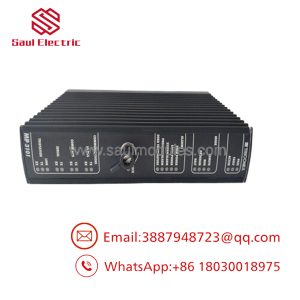
When a critical safety loop drops offline due to a drifting analog channel, hunting down the root cause under plant emergency conditions is exhausting. The Triconex 3351 module eliminates channel-level single points of failure by bringing 32 single-ended 4–20 mA loops directly into the Trident Triple Modular Redundant (TMR) processing core.
Designed for high-density safety instrumented functions, the 3351 executes internal Force-to-Value Diagnostics (FVD) while sampling every channel in under a millisecond. It maintains continuous process visibility without compromising Safety Integrity Level (SIL) targets, ensuring your SIS hardware stays fully operational during field maintenance.
Technical Specifications
- Input Channels: 32 single-ended, commoned input points
- Nominal Signal Range: 4–20 mA DC (Operational range: 2–22 mA DC)
- Analog Resolution: 12 bits
- Absolute Accuracy: ±0.15% of full scale (20 mA)
- Scan Update Rate: Less than 1 ms across all 32 channels
- Input Impedance: 250 Ω (including baseplate load)
- Internal Precision Resistor: 100 Ω, ±0.01% current-to-voltage conversion
- Max Over-Voltage Protection: 33 V DC continuous without damage
- Isolation Rating: 500 V DC (functional to protective earth), 800 V DC (logic side)
- Operating Power: 24 V DC logic power, max 3.0 W internal dissipation
Field Application & The “Trench” Experience
The Trench Story
During a midnight restart at a Gulf Coast ethylene cracker, an existing analog input card on the emergency shutdown (ESD) rack began reporting transient hardware faults on channel 14, locking up the fuel gas trip valve logic. The site technician pulled a pre-tested surplus Triconex 3351 from storage and inserted it into the secondary hot-spare slot on the 2351 baseplate. The Trident system automatically recognized the unit, verified firmware parity across the TriBus interface, synchronized hardware diagnostic tables, and transferred active scanning to the new card—resolving the trip hazard in under four minutes without interrupting plant throughput.
Specific Field Application Scenarios
- Catalytic Cracking Unit Temperature Monitoring: Capturing multi-point thermocouple transmitter outputs (4–20 mA) to trigger automated deluge valves upon reactor skin over-temperature detection.
- Turbine Overpressure Trip Systems: Processing high-speed 4–20 mA feedback from fuel control valve positioners and steam header pressure transmitters.
- Tank Farm Emergency Isolation: Continuous monitoring of hydrocarbon level transmitters linked to automated safety shutoff valves (XV series).
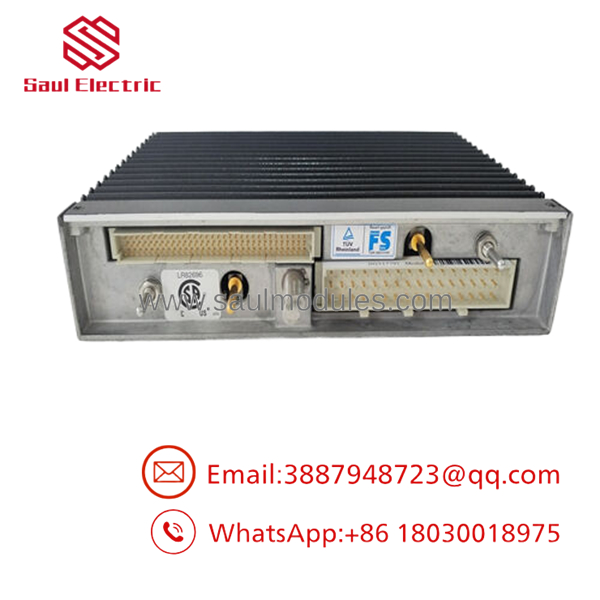
- 3351
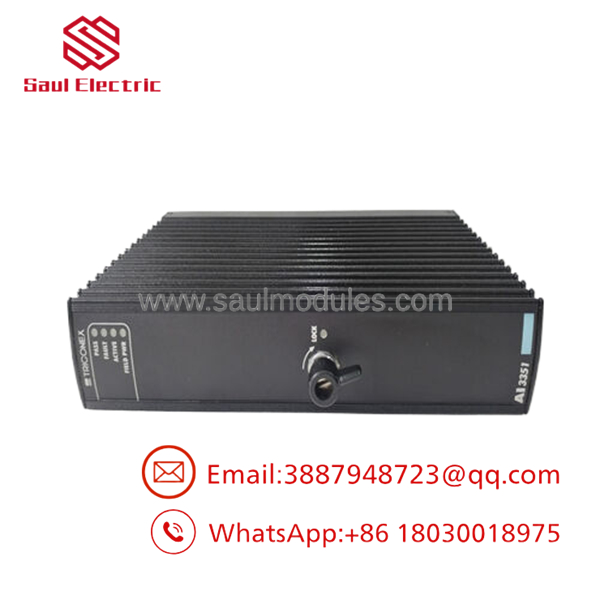
- 3351
Transparency SOP: QA & Testing
- Visual Inspection: Physical check for connector pin wear, PCB trace discoloration, conformal coating degradation, and backplane guide rail damage.
- Power & Thermal Stress Test: Board is energized on a specialized 24 V DC Trident test rig inside an environmental chamber held at elevated operating temperatures for 12 hours.
- Point-by-Point Calibration Verification: Precision loop calibrators apply 4.00 mA, 12.00 mA, and 20.00 mA signals to all 32 channels simultaneously to confirm 12-bit conversion accuracy within the ±0.15% tolerance window.
- TMR Communication & FVD Diagnostic Execution: Module is placed into an active Trident chassis to verify Force-to-Value Diagnostic routines and failover response in primary and hot-spare configurations.
The Veteran’s Tech Trap Guide
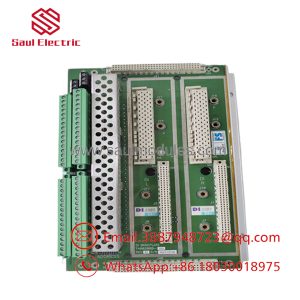
⚠️ Baseplate Resistor Match: The 3351 relies on precision 100 Ω I-to-V conversion resistors residing on the termination baseplate. If replacing a card on a system originally wired for voltage inputs or custom signals, ensure the baseplate jumper configuration matches a 4–20 mA current loop. Inserting a current loop into an un-terminated voltage baseplate will peg the channel high or damage transmitter electronics.
PRO TIP: Hot-Spare Timing Limits While the 3351 supports online hot-replacement, leaving a module in the hot-spare slot indefinitely can generate chassis thermal overhead. Slot the replacement card in, wait for the status LED to show solid green (synchronization complete), confirm channel values on TriStation 1131, and remove the faulted primary card for repair.
⚠️ Ground Loop Isolation Limits: Commoned inputs mean all 32 channels share a ground reference on the field side. If field transmitters are ground-referenced at remote process vessels without isolated power supplies, ground loops will skew analog measurements across neighboring channels. Always use isolated 2-wire transmitters or external signal isolators on non-grounded loops.
Dynamic FAQ
Q: Is the Triconex 3351 hot-swappable in a running system?
A: Yes. The 3351 module is designed for hot replacement on active Trident I/O baseplates. Inserting the card into an adjacent hot-spare slot allows full system synchronization before you remove the faulty card, maintaining zero downtime.
Q: Does this module accept 0–10 V DC or thermocouple signals directly?
A: No. The 3351 is specifically engineered for 4–20 mA DC current loops. Thermocouples, RTDs, or direct voltage signals require signal conditioners or alternative specialized input modules (such as the 3361 or dedicated temperature interface baseplates).
Q: Are your surplus Triconex 3351 units tested for hardware revision compatibility?
A: Yes. Every unit is bench-tested against standard Trident Main Processor firmware releases. We log the exact hardware revision level and serial numbers on your test certificate to match your plant’s installed base specifications.
Q: What warranty coverage comes with these replacement modules?
A: All units—whether New Surplus or fully reconditioned—come with a full 1-year functional replacement warranty backed by our complete testing SOPs.
Q: How does the Force-to-Value Diagnostic (FVD) function work on this card?
A: FVD periodically forces small internal diagnostic voltages across the measurement circuit to verify ADC responsiveness without disturbing the actual field current reading or triggering false safety trips.

 Start Chat


