





Description
Product Introduction
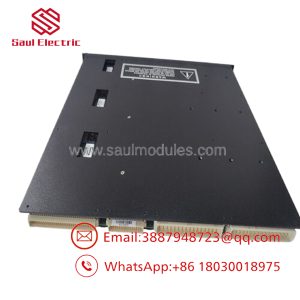
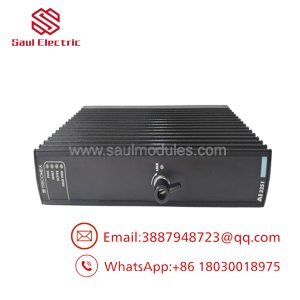
The Triconex 2101 (MP2101) is the main processor baseplate used in the Tricon Safety Instrumented System (SIS). It provides the mechanical mounting, backplane connections, and electrical interface required for the installation of Tricon main processor modules within the controller chassis.
Unlike a CPU or I/O module, the 2101 does not execute control logic. Its role is fundamental to system reliability because it distributes power and communication signals between the processor modules and the Tricon backplane. In Triple Modular Redundant (TMR) systems, the integrity of the baseplate directly affects controller availability and fault tolerance.
Key Technical Specifications
| Parameter | Value |
|---|---|
| Manufacturer | Triconex (Schneider Electric) |
| Model | 2101 (MP2101) |
| Product Type | Main Processor Baseplate |
| System | Tricon Safety Instrumented System |
| Architecture | Triple Modular Redundant (TMR) |
| Function | Processor Module Mounting and Backplane Interface |
| Installation | Rack/Chassis Mounted |
| Compatible Modules | Tricon Main Processor Modules |
| Primary Application | Safety Instrumented Systems (SIS) |
| Typical Industries | Oil & Gas, Petrochemical, Power Generation, Chemical |
| Safety Level | Supports SIL 3 System Architecture |
| Lifecycle | Legacy Platform / Spare Parts Support |
Important: The 2101 is a hardware baseplate, not a processor or I/O module. Verify the complete chassis configuration and processor generation before ordering a replacement.
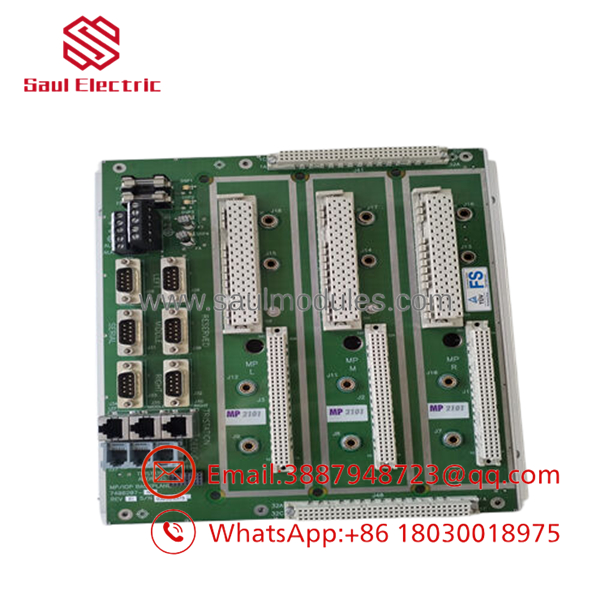
- 2101
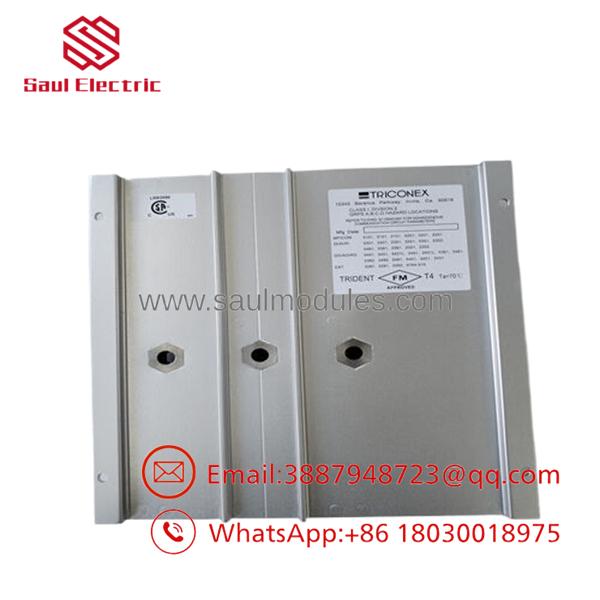
- 2101
Application Scenarios & The “Trench” Experience
A controller suddenly reports processor communication faults after years of stable operation.
The instinct is to replace the processor modules first. Hours pass, diagnostics show no improvement, and engineering starts questioning the software. Eventually someone removes the processors and discovers damaged backplane contacts on the baseplate.
It’s uncommon—but when it happens, the entire safety system can become unavailable.
Typical Applications
Oil & Gas — Emergency Shutdown (ESD) Systems — Supports the installation of redundant main processors responsible for shutdown logic.
Refining — Burner Management Systems (BMS) — Provides the processor interface for SIL-rated combustion protection.
Chemical Processing — Safety Instrumented Systems — Maintains reliable communication between processor modules and the Tricon chassis.
Power Generation — Turbine Protection Systems — Supports redundant processors executing overspeed and trip logic.
LNG Facilities — Critical Process Protection — Forms part of high-availability Tricon controller assemblies.
Field Replacement Example
During a scheduled shutdown at a gas processing facility, intermittent processor faults appeared after cabinet maintenance. Processor modules passed diagnostics when tested in another chassis. Inspection of the installed 2101 revealed worn connector contacts caused by repeated maintenance over many years. After replacing the baseplate, reinstalling the processors, and completing TriStation diagnostics, the controller returned to full redundant operation without replacing any CPUs.
Transparency SOP: Quality Assurance & Testing
We don’t just ship boxes; we test them on actual Triconex hardware whenever compatible equipment is available.
1. Inbound Inspection
- Verify Schneider Electric/Triconex identification labels
- Inspect connector pins for damage or oxidation
- Check PCB traces and solder joints
- Examine mechanical mounting points
2. Live Rig Testing
- Install into a compatible Tricon chassis
- Verify processor seating
- Confirm backplane communication
- Check power distribution across the baseplate
- Validate module recognition
3. Electrical Parameter Checks
- Backplane continuity testing
- Connector resistance measurements
- Ground path verification
- Visual inspection for thermal damage
4. Hardware Verification
- Record hardware revision
- Verify compatibility with installed processor generation
- Confirm part number and manufacturing identification
5. Final QC & Anti-static Packaging
- Final inspection
- Anti-static moisture-barrier packaging
- Protective industrial foam
- Serialized inventory tracking
- 12-month warranty documentation
The Veteran’s Tech Trap Guide
⚠️ Don’t Assume the Processor Is Bad
A damaged baseplate can produce processor communication errors that look exactly like CPU failures. Swap processors into a known-good chassis before ordering replacements.
⚠️ Inspect Every Backplane Connector
Even slight damage to connector contacts can introduce intermittent faults that only appear during vibration or temperature changes. Use magnification if necessary.
❗Never Force a Processor into the Baseplate
If the module does not seat smoothly, stop immediately. Bent connector pins can damage both the processor and the baseplate.
⚠️ Verify Chassis Compatibility
Tricon systems have multiple hardware generations. Confirm the 2101 part number, chassis configuration, and processor revision before installation.
Frequently Asked Questions (FAQ)
Q1. Is the Triconex 2101 a processor module?
No. The 2101 (MP2101) is the main processor baseplate. It provides the physical and electrical interface for processor modules but does not execute application logic.
Q2. Does the 2101 support hot replacement?
No. Because it is part of the controller backplane, replacement should only be performed during a planned shutdown with the system de-energized unless the site has a validated maintenance procedure.
Q3. Which systems use the 2101?
It is used in Tricon Safety Instrumented Systems (SIS) employing Triple Modular Redundant (TMR) architecture for safety-critical applications.
Q4. Can I reuse my existing processor modules?
Yes, provided the hardware revisions are compatible and both the processor modules and the replacement baseplate pass inspection. Always verify compatibility using the Tricon system documentation.
Q5. Why is this part difficult to source?
The 2101 belongs to a mature Tricon platform. Many units available today come from strategic spare inventories, plant modernization projects, or professionally tested surplus stock.
Q6. Why is surplus inventory less expensive than buying directly from the OEM?
Most available inventory originates from canceled projects, decommissioned systems, or excess maintenance stock. Pricing reflects the supply chain rather than the product’s intended operating capability.
Q7. Is every baseplate tested before shipment?
Yes. Each unit undergoes visual inspection, connector integrity checks, continuity testing, chassis fit verification where compatible hardware is available, and final quality inspection before shipment.
Veteran’s advice: When troubleshooting a Tricon system, don’t overlook the passive hardware. Processor modules get most of the attention, but a worn baseplate or damaged backplane connector can create intermittent faults that are far harder to diagnose than a failed CPU. Start with a careful visual inspection before replacing expensive electronics.

 Start Chat


