





Description
Product Introduction
The Triconex 3721 is a high-density, fault-tolerant analog input module engineered for Tricon Triple Modular Redundant (TMR) safety systems. Instrumentation engineers and safety coordinators deploy this card in critical Emergency Shutdown (ESD), Fire and Gas (F&G), and Burner Management Systems (BMS) where process interruption is simply not an option.
Unlike standard PLC analog cards that rely on single-channel processing, the 3721 runs three complete input legs in parallel. Incoming field signals are triplicated, digitized, and cross-checked via the TriBus interface before reaching the main processors, guaranteeing zero false trips even during hardware channel degradation.
Key Technical Specifications
| Parameter | Value |
| Manufacturer | Schneider Electric / Triconex |
| Part Number | 3721 |
| System Compatibility | Tricon v9, v10 Chassis Architectures |
| Input Channels | 32 Differential, DC-Coupled Channels |
| Voltage Range | 0 to +5 VDC (+6% over-range) |
| Resolution | 12-Bit Analog-to-Digital Conversion |
| Common Mode Rejection | -80 dB minimum @ 60 Hz |
| Isolation | 1000 VDC Channel-to-Bus |
| Diagnostic Coverage | Comprehensive micro-diagnostic routines per leg |
| Power Consumption | < 10 Watts nominal |
Application Scenarios & The “Trench” Experience
At a gulf coast refinery, an aging analog input card in a hydrocracker Emergency Depressurization System began throwing intermittent channel discrepancies at 2 AM. A single-channel fault would normally blind safety logic or trigger an unnecessary plant shutdown costing over $150,000 in lost production. Thanks to the 3721’s TMR design, the system voted out the failing leg and stayed online, allowing the instrument team to pull a pre-tested replacement 3721 from spare parts inventory and perform a live hot-swap without dropping a single interlock loop.
- Oil & Gas Downstream – Refinery Emergency Shutdown Systems (ESD) – Reads critical pressure transmitter inputs to trigger emergency isolation valves.
- Chemical Processing – Reactor Runaway Prevention – Monitors high-precision temperature loops across multi-stage catalytic vessels.
- Offshore Platforms – Fire and Gas Safeguards – Processes continuous 0-5V gas detection loops across hazardous deck zones.
Transparency SOP: Quality Assurance & Testing
We don’t just ship boxes; we test them on actual Triconex racks. Every 3721 module undergoes a strict 5-step bench validation before entering our inventory:
- Inbound Physical Inspection: Thorough inspection for backplane connector pin integrity, conformal coating integrity, component discoloration, and OEM label validation.
- Live Rig Testing: Installed into a live Tricon chassis to confirm backplane communications, leg synchronization, and TriBus voting handshakes.
- Electrical Parameter Checks: Multi-point voltage sweep from 0V to 5V across all 32 channels using precision signal calibrators to verify A/D conversion accuracy.
- Diagnostic Verification: Running TriStation 1131 software diagnostics to confirm all internal self-tests pass with zero fault registers logged.
- Anti-Static Packaging: Cleared cards are sealed inside moisture-barrier ESD bags with fresh desiccant prior to custom foam packing.
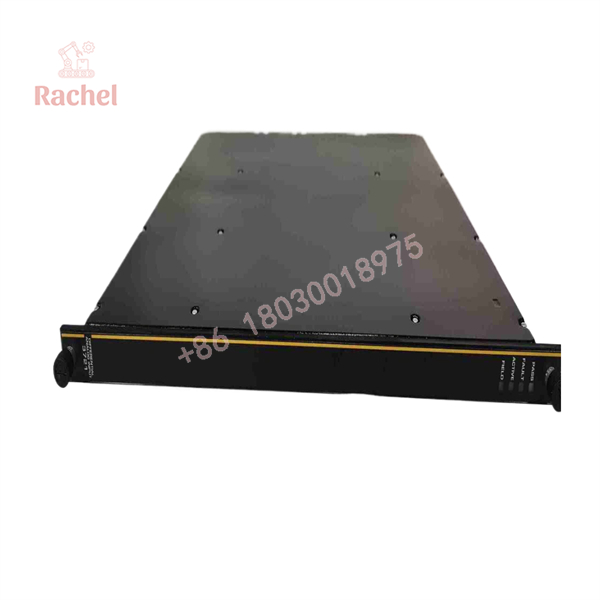
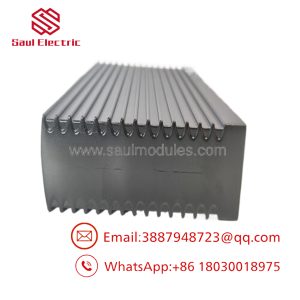
3721
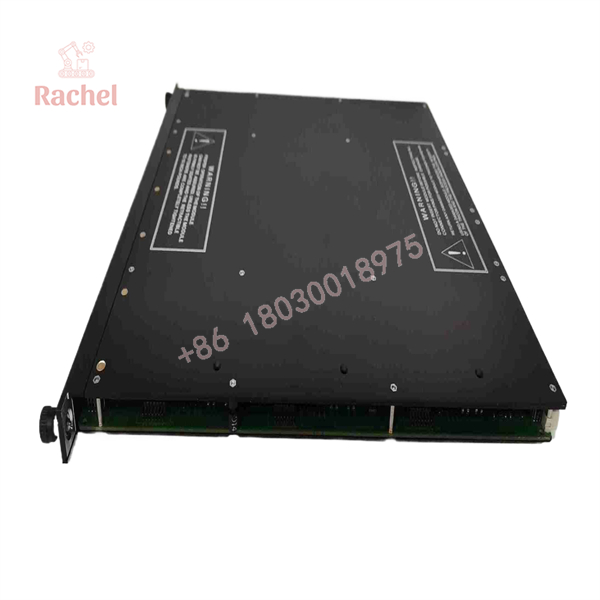
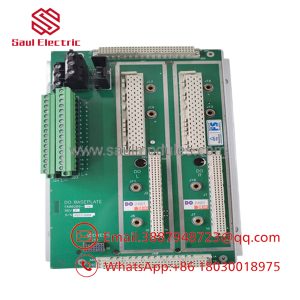
3721
The Veteran’s Tech Trap Guide (Crucial Value-Add)
- ⚠️ 0-5V vs. 4-20mA Signal Conditioning: Remember that the 3721 is natively a 0-5V DC input card! If your field instruments emit standard 4-20mA signals, you must use external 250-ohm precision resistor arrays on the External Termination Assembly (ETA). Missing or out-of-tolerance resistors will throw channel drift errors.
- ❗ Retractable Fasteners Torquing: Do NOT overtighten the front-panel thumbscrews. To be honest, engineers strip these frequently. Tighten them evenly to 10 inch-pounds maximum using a torque screwdriver to guarantee complete backplane seating without cracking the housing.
- ⚠️ Hot-Swap Slot Placement: When swapping out a faulted card, ensure the secondary slot keying matches the 3721 exact model rating. Double-check your TriStation chassis config to ensure the spare slot is configured as an active hot-spare before sliding the new card home.
Frequently Asked Questions (FAQ)
Q: Can I hot-swap the Triconex 3721 without shutting down the safety system?
A: Yes. The Triconex chassis natively supports online hot-replacement. Inserting a functional 3721 into the adjacent slot automatically initiates firmware synchronization and background diagnostic checks before taking over active channel processing.
Q: Does the 3721 support HART protocol pass-through?
A: No. The 3721 is a standard high-speed analog input module designed strictly for fast voltage acquisition (0-5V DC). For HART communication pass-through, you need HART-enabled modules like the 3721H series alongside compatible ETAs.
Q: What is the difference between the 3721 and 3700A analog input modules?
A: Channel density and input ranges differ significantly. The 3721 offers 32 differential channels optimized for 0-5V inputs, whereas older modules like the 3700A have different voltage thresholds, channel isolation boundaries, and lower diagnostic processing speeds.
Q: How do you handle warranty claims on surplus Triconex parts?
A: Every 3721 shipped comes with a 12-month replacement warranty. If the card exhibits internal diagnostic faults, channel drift, or bus errors within one year of purchase, we ship an immediate replacement or issue a full refund.
Q: Why buy factory sealed surplus instead of ordering directly through Schneider Electric?
A: Lead times from the OEM for legacy or active safety hardware can range from 12 to 26 weeks. We source surplus stock directly from plant cancellations and retrofits, offering authentic OEM boards ready to ship immediately at a fraction of the list price.

 Start Chat


