





Description
Product Introduction & Engineering Value
The Triconex 9563-810 should be treated as legacy Triconex safety-system hardware, not as a generic PLC component. Triconex systems use a fault-tolerant architecture intended for safety-critical process applications, so identifying the exact module role and system revision is essential before a replacement is installed.
For procurement, the complete catalog number, hardware revision, existing chassis configuration, and application firmware should be checked against the installed system. With legacy Triconex equipment, a physically compatible card is not automatically a functionally or safety-certified replacement.
Technical Specifications
- Manufacturer: Triconex / Schneider Electric
- Part Number: 9563-810
- System Family: Tricon
- Application Class: Safety Instrumented System
- Architecture: Triple Modular Redundancy (TMR)
- Primary Application: Critical process protection and shutdown
- Hardware Generation: Must be verified from the installed system
- Firmware Compatibility: Must be verified
- Chassis Compatibility: Must be verified
- I/O Function: Must be confirmed from the equipment documentation
- Environmental Rating: Verify against the applicable Triconex manual
- Certification Status: Verify against the exact hardware revision
Specification caution
I would not assign an I/O count, input voltage, output current, communication protocol, or terminal configuration to 9563-810 without a verified Triconex source for this exact part number. Triconex uses numerous closely related catalog numbers, and mixing specifications between modules can produce a dangerous procurement error.
Field Application & the “Trench” Experience
A refinery has an older Triconex safety system protecting a critical process train. A system component begins reporting a persistent hardware diagnostic. The plant has a spare identified as 9563-810, but the engineering team does not immediately install it.
Instead, they compare the installed unit’s complete label, chassis position, hardware revision, firmware compatibility, and system configuration with the spare.
That is the correct approach.
In a safety instrumented system, replacing a failed component is not equivalent to replacing an ordinary PLC card. The objective is not simply to make the diagnostic disappear. The replacement must preserve the intended safety function and pass the site’s approved verification procedure.
Specific application scenarios
- Emergency shutdown system — Maintaining legacy Triconex hardware supporting critical process shutdown logic.
- High-integrity process protection — Supporting a safety layer independent of the basic process control system.
- Compressor or turbine protection — Maintaining established safety-system hardware where unexpected migration could create significant outage risk.
- Refinery process interlocking — Supporting legacy SIS infrastructure during planned maintenance or turnaround activities.
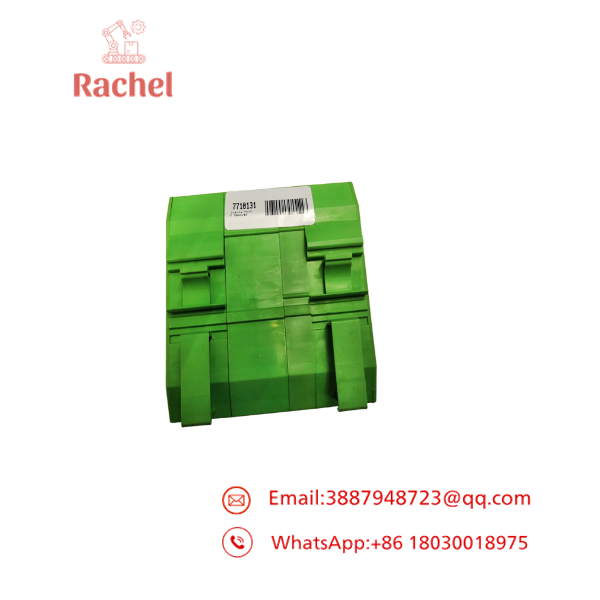
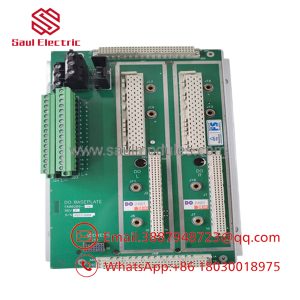
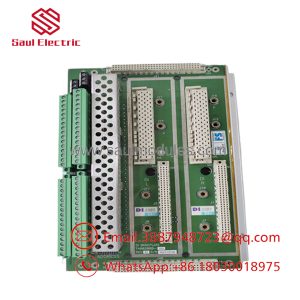
9563-810
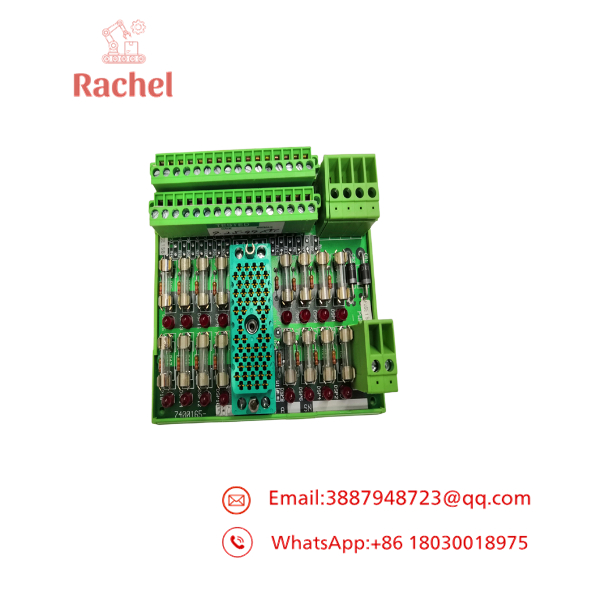
9563-810
Transparency SOP: QA & Testing
For new-surplus or refurbished Triconex 9563-810 stock, testing should be performed with equipment appropriate to the exact Triconex system generation.
Identification
- Confirm the complete 9563-810 catalog number.
- Photograph the actual module label.
- Record hardware revision and serial number.
Electrical inspection
- Inspect the PCB, connectors, terminals, backplane interface, and housing.
- Check for corrosion, contamination, damaged components, and signs of overheating.
Functional testing
- Install the module in an appropriate Triconex test chassis.
- Confirm that the Tricon system recognizes the hardware.
- Verify diagnostic status.
- Check communication with the redundant system architecture where applicable.
- Verify the module’s assigned function using the appropriate test configuration.
- Record diagnostic and functional results.
Final QA: The test report should identify the chassis/test platform, firmware revision, hardware revision, and observed diagnostics.
A simple “powers on” statement is inadequate for safety-system hardware.
The Veteran’s Tech Trap Guide
⚠️ Trap #1 — Assuming the number tells you the module function.
Do not infer whether 9563-810 is an input, output, processor, communications, or other system component solely from the catalog number.
PRO TIP: Require the supplier to provide a photograph of the complete factory label and the installed module’s original system documentation.
⚠️ Trap #2 — Ignoring Tricon system generation.
Triconex hardware is not universally interchangeable across every Tricon platform. Confirm the exact chassis and system generation.
⚠️ Trap #3 — Treating surplus hardware as safety-certified by default.
A genuine surplus module is not automatically proof-tested for your particular safety application. Hardware authenticity and application validation are separate issues.
⚠️ Trap #4 — Skipping post-replacement diagnostics.
After installation, inspect system diagnostics and verify the intended safety function according to the site’s approved maintenance and proof-test procedures.
⚠️ Trap #5 — Buying from a listing with incomplete identification.
If a listing only says “Triconex 9563-810” without photographs, revision information, condition, and test evidence, the procurement risk is higher than the part number alone suggests.
Dynamic FAQ
What is Triconex 9563-810?
The 9563-810 is identified as legacy Triconex safety-system hardware. The exact functional role should be confirmed from the equipment label and documentation for the installed Tricon system.
Is 9563-810 a PLC module?
It should not be treated as a conventional PLC module. Triconex equipment is designed for Safety Instrumented System (SIS) applications and uses a fault-tolerant architecture.
Can I install a 9563-810 directly into any Triconex chassis?
No. Verify the Tricon system generation, chassis, hardware revision, firmware, and application configuration before installation.
What should be checked before purchasing?
At minimum:
- Complete part number
- Hardware revision
- Serial number
- Existing Tricon chassis/model
- Firmware compatibility
- Original module position
- Physical connector configuration
- Supplier test documentation
- Warranty terms
Is refurbished 9563-810 suitable for a safety application?
Potentially, but it must be properly identified and functionally tested. The plant’s safety lifecycle procedures should determine whether additional inspection, validation, or proof testing is required before returning the system to service.
How should new-surplus authenticity be verified?
Request photographs of the actual unit, including OEM markings, complete part number, revision, serial number, and PCB identification. “New surplus” describes the seller’s condition classification; it does not by itself establish OEM authenticity.
What warranty should I request?
Request written warranty coverage for functional failure and ask specifically whether the unit underwent system-level functional testing rather than only visual inspection or power-on testing.
Why is exact identification especially important for Triconex parts?
Because Triconex hardware is used in safety-related applications, incorrect substitution can affect system diagnostics, redundancy, configuration, and ultimately the intended safety function. Exact hardware identification should therefore precede procurement and installation.

 Start Chat


