





Description
Product Introduction
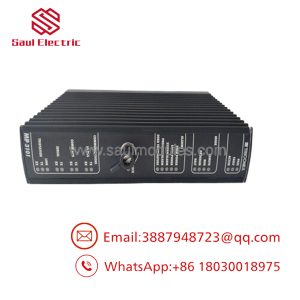
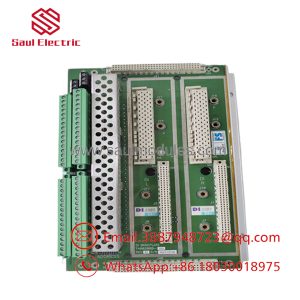
The Triconex 2351 is the Analog Input Baseplate used in the Tricon Safety Instrumented System (SIS). It serves as the electrical and mechanical interface between field wiring and the AI3351 Analog Input TriPak, providing reliable signal routing through the Tricon backplane. It is commonly supplied as part of the 7400210-010 AI Baseplate Kit.
Unlike the analog input module itself, the 2351 does not process analog signals. Its purpose is to provide secure field termination, module alignment, and high-integrity backplane connectivity required by the Tricon Triple Modular Redundant (TMR) architecture. Damage to the baseplate can result in intermittent field signal loss even when the analog input module is fully functional.
Key Technical Specifications
| Parameter | Value |
|---|---|
| Manufacturer | Triconex (Schneider Electric) |
| Model | 2351 |
| Product Type | Analog Input Baseplate |
| System | Tricon Safety Instrumented System |
| Associated Module | AI3351 Analog Input TriPak |
| Baseplate Kit | 7400210-010 |
| Installation | Tricon Chassis |
| Function | Field Wiring Interface and Backplane Connection |
| Architecture | Triple Modular Redundant (TMR) |
| Typical Signal Types | 4–20 mA Analog Inputs (application dependent) |
| Typical Industries | Oil & Gas, Petrochemical, LNG, Power Generation |
| Lifecycle | Legacy Platform / Spare Parts Support |
Important: The 2351 is a baseplate, not an analog input module. Verify the complete assembly number and the installed AI TriPak model before ordering. Different Tricon I/O families use different baseplates.
Application Scenarios & The “Trench” Experience
Here’s one that catches experienced technicians.
A refinery shutdown test reports unstable pressure transmitter readings on several channels. The maintenance team replaces the AI module, recalibrates transmitters, and even changes the power supply. The fault remains.
Only after removing the module does someone notice oxidation and damaged contacts on the analog input baseplate.
The controller wasn’t the problem.
The field devices weren’t the problem.
The baseplate was.
Typical Applications
Oil & Gas — Emergency Shutdown Systems — Provides reliable analog signal termination for pressure, temperature, and flow transmitters.
Petrochemical Plants — Burner Management Systems — Connects safety transmitters to Tricon analog input modules.
Power Generation — Turbine Protection Systems — Supports critical analog measurements used by SIS logic.
LNG Facilities — Process Safety Systems — Maintains dependable analog signal paths in SIL-rated applications.
Chemical Processing — Reactor Protection Systems — Interfaces field instrumentation with Tricon analog input modules.
Field Replacement Example
During a turnaround at an LNG export terminal, operators reported intermittent analog input faults affecting multiple safety loops. The AI3351 module passed diagnostics when tested in another chassis. Inspection revealed worn connector contacts on the 2351 baseplate caused by years of module replacement cycles. Installing a replacement baseplate restored stable communication with all transmitters, eliminating nuisance trips without replacing any field instruments.
Transparency SOP: Quality Assurance & Testing
We don’t just ship boxes; we test them on actual Triconex hardware whenever compatible equipment is available.
1. Inbound Inspection
- Verify Schneider Electric/Triconex identification labels
- Inspect terminal blocks and connector pins
- Check PCB traces for heat damage
- Examine mounting hardware and guide rails
2. Live Rig Testing
- Install on a compatible Tricon chassis
- Verify module seating
- Confirm backplane communication
- Check field connector engagement
- Verify mechanical alignment
3. Electrical Parameter Checks
- Connector continuity testing
- Backplane resistance measurements
- Ground path verification
- Inspection for damaged traces
4. Hardware Verification
- Record hardware revision
- Verify compatibility with the associated AI TriPak
- Confirm assembly number
5. Final QC & Anti-static Packaging
- Final visual inspection
- Anti-static packaging
- Shock-resistant protective foam
- Serialized inventory tracking
- 12-month warranty documentation
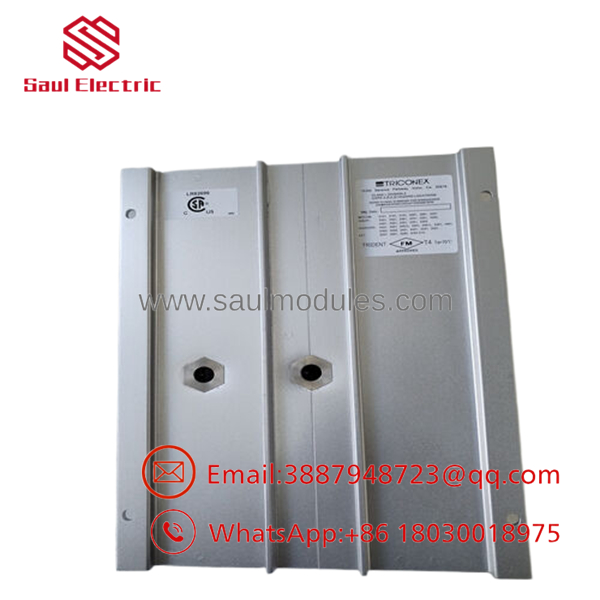
- 2351
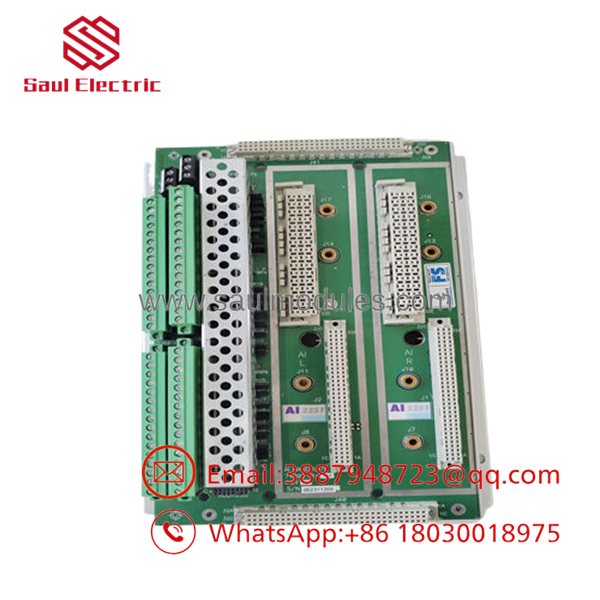
- 2351
The Veteran’s Tech Trap Guide
⚠️ Don’t Replace the AI Module First
If multiple analog channels become unstable simultaneously, inspect the baseplate before replacing the AI module. Connector damage often produces identical symptoms.
⚠️ Inspect Every Terminal Screw
Loose field wiring can introduce intermittent analog signal fluctuations that appear to be transmitter failures.
❗Never Force a TriPak into the Baseplate
If the module does not seat smoothly, stop immediately. Bent connectors can damage both the AI module and the baseplate.
⚠️ Verify the Correct Baseplate
The Tricon platform uses different baseplates for analog input, digital input, analog output, and digital output modules. Similar part numbers are not interchangeable.
Frequently Asked Questions (FAQ)
Q1. Is the Triconex 2351 an analog input module?
No. The 2351 is the analog input baseplate. It supports and connects the AI3351 Analog Input TriPak but does not perform analog signal conversion.
Q2. Which module is installed on the 2351?
The baseplate is designed for the AI3351 Analog Input TriPak used in Tricon Safety Instrumented Systems.
Q3. Can the baseplate be replaced while the system is energized?
Generally, no. Replacement should be performed during a planned maintenance outage unless the site’s validated maintenance procedures specifically permit otherwise.
Q4. Why would a baseplate fail?
Common causes include long-term thermal cycling, connector wear from repeated module replacement, corrosion, vibration, and accidental mechanical damage during maintenance.
Q5. Why is surplus inventory less expensive than ordering directly from the OEM?
Most available inventory comes from project cancellations, strategic spare inventories, or plant modernization programs. Pricing reflects the procurement channel rather than reduced operating capability.
Q6. Is every baseplate electrically tested?
Yes. Each unit undergoes connector inspection, continuity verification, mechanical fit testing where compatible hardware is available, and final quality inspection before shipment.
Q7. How do I verify compatibility before ordering?
Confirm the following:
- Triconex part number (2351)
- Baseplate assembly number (such as 7400210-010 where applicable)
- Installed AI TriPak model
- Chassis type
- Hardware revision
- Terminal assembly configuration
Veteran’s advice: Passive hardware deserves the same attention as active electronics. In Tricon systems, a worn baseplate can create intermittent analog faults that send engineers chasing transmitters, I/O modules, and software for hours. Always inspect the connectors before replacing expensive modules.

 Start Chat


