





Description
Product Introduction
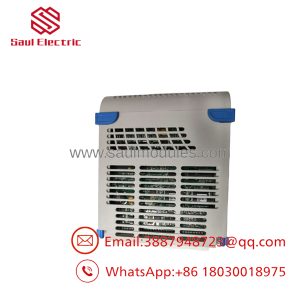
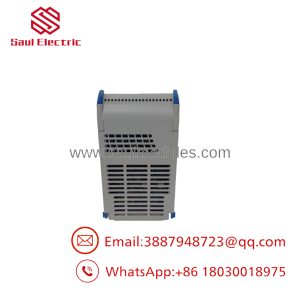
The Westinghouse 1C31204G01 is a specialized Remote Node Personality Module built for Emerson/Westinghouse Ovation Distributed Control System (DCS) architectures. Engineers install this interface card on remote I/O bases to bridge distant field devices directly to the local controller over noise-immune fiber optic links, reaching up to 2 kilometers away without signal degradation.
This board handles media conversion and backplane routing while monitoring the node’s internal redundant +24V power rails. In our field experience, replacing a faulty 1C31204G01 restores stable high-speed bus communication to remote racks without forcing software recompiles, protecting system uptime across complex plant networks.
Key Technical Specifications
| Parameter | Value |
| Part Number | 1C31204G01 |
| Manufacturer | Westinghouse / Emerson Ovation |
| Module Type | Remote Node Personality Module |
| Optical Wavelength | 850 nm |
| Fiber Transmission Distance | Up to 2 km (Multimode Fiber) |
| Connectors | ST Fiber Optic Connectors (TX / RX) |
| Diagnostic Interface | RS-232 Port |
| Power Monitoring | Dual +24VDC Redundant Supply Diagnostics |
| Operating Temperature | -40°C to +70°C (-40°F to 158°F) |
| Mounting | Standard Ovation Remote I/O Slot Base |
Application Scenarios & The “Trench” Experience
A combined sewer overflow pump station dropped its remote field cabinet link during a heavy thunderstorm, throwing an immediate comm-loss fault on the primary Ovation controller. The culprit turned out to be a damaged optical receiver port on the original remote node module. With water levels rising and the station blind to field sensor data, waiting weeks for OEM factory lead times was out of the question.
- Power Generation – Remote Water Intake Structures – Links distant pump house I/O racks across high-EMI yard environments via fiber optics.
- Chemical Refineries – Hazardous Tank Farm Monitoring – Isolates long-distance field buses from electrical ground loops.
- Municipal Utilities – Remote Substation Telemetry – Connects scattered remote nodes back to the central DCS control room.
The site engineer swapped out the failed board with a pre-tested 1C31204G01 surplus module, plugged in the ST fiber pairs, and saw the node re-establish its handshake in under two minutes, saving the facility from severe environmental spill fines.
Transparency SOP: Quality Assurance & Testing
We do not just ship boxes; we test them on actual Westinghouse Ovation test racks. Every 1C31204G01 undergoes the following verification process:
- Inbound Physical Inspection: Inspection of the PCB for hairline trace fractures, damaged ST fiber optic transceivers, and pin corrosion on the edge connector.
- Fiber Transceiver Attenuation Check: Testing the 850nm optical output power and receiver sensitivity using calibrated fiber test leads to guarantee clean light transmission.
- Redundant Power Rail Stress: Simulating primary and secondary +24VDC supply drops to ensure the board accurately flags power alarms back to the electronics module.
- Live Comm Handshake: Slotting the module into a remote base and driving live traffic over an RS-232 link and fiber connection to verify zero frame loss.
- ESD Cleaning & Packaging: Solvent-free contact cleaning, anti-static shielding enclosure, and shock-absorbent packaging prior to shipment.
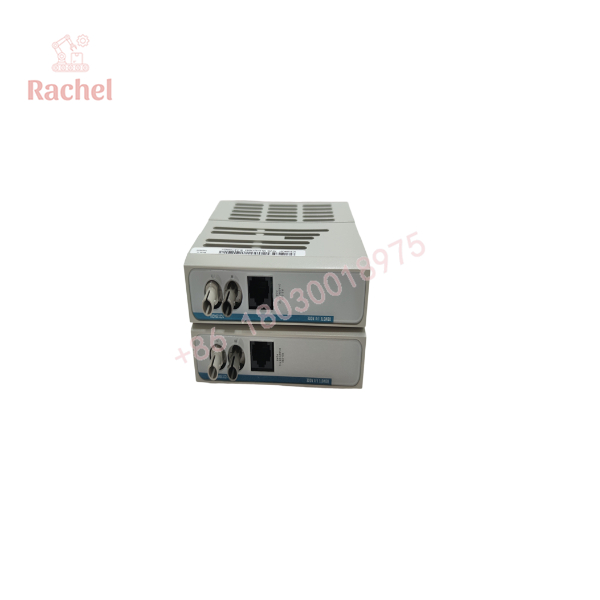
1C31204G01
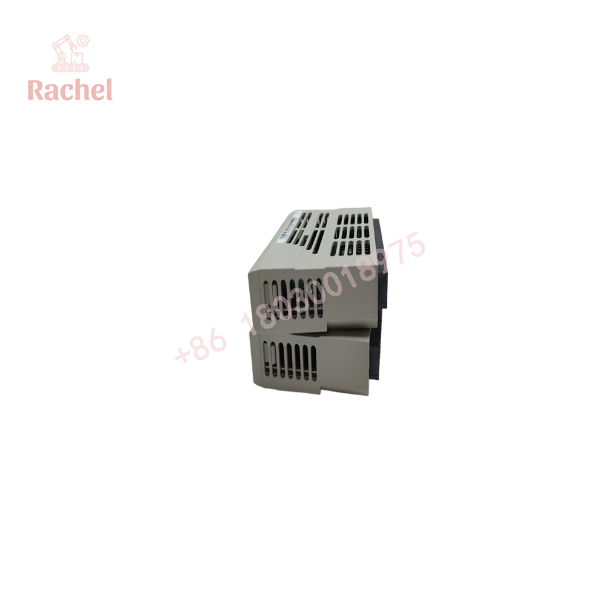
1C31204G01
The Veteran’s Tech Trap Guide (Crucial Value-Add)
- ⚠️ Do Not Mix Optical Wavelengths: The 1C31204G01 uses 850nm optics. The 1C31204G03 version uses 1300nm optics. If you attempt to link an 850nm card to a 1300nm transceiver on the opposite end, your optical link will stay dead. Match your group numbers!
- ❗ Inspect Fiber Face Cleanliness: Fiber connectors in harsh environments collect microscopic dust instantly. Always inspect and clean the ST fiber ferrule faces with isopropyl alcohol lint-free wipes before clicking them into the RX/TX ports. Dirty connectors will blind the card.
- ⚠️ Watch Out for Power Rail Faults: If your Ovation controller is flagging constant power supply alarms for a remote cabinet, check the +24V power monitoring circuit on the 1C31204G01 card. A blown internal trace on this module often triggers false power supply failure warnings.
Frequently Asked Questions (FAQ for Conversion)
Q: What is the difference between the 1C31204G01 and the 1C31204G03?
A: The main difference lies in the fiber optic wavelength. The 1C31204G01 operates at 850nm for standard multimode fiber runs up to 2km, whereas the G03 variant uses 1300nm optics for longer distance transmission.
Q: Can I access diagnostics directly on this board?
A: Yes. The board features an onboard RS-232 serial port dedicated to local diagnostics and low-level troubleshooting.
Q: Does this card monitor power supplies in the remote base?
A: Yes, it includes integrated monitoring circuitry for dual +24V redundant power feeds, reporting any power rail failures directly back to the main electronics module.
Q: Are firmware flashes required when replacing this card?
A: No. The 1C31204G01 acts primarily as a remote node personality interface. Bus routing logic and node addressing are managed by the associated controller and base electronics.
Q: What warranty coverage do you provide on surplus units?
A: We back all our new surplus and rig-tested refurbished 1C31204G01 units with a standard 12-month full replacement warranty.

 Start Chat


