





Description
Product Introduction
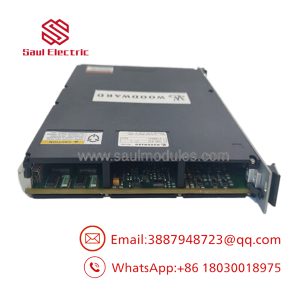
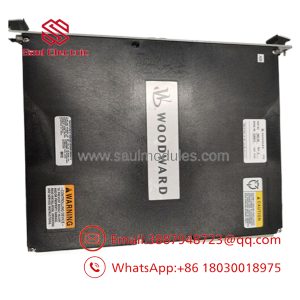
The Woodward 8440-1713 is an industrial generator controller designed to automate diesel or gas generator operation, including engine start/stop, synchronization, breaker control, load management, and protective monitoring. It is commonly installed in standby power systems, industrial power plants, and distributed generation applications.
Compared with basic engine controllers that only manage start and stop sequences, the 8440-1713 integrates synchronization logic, electrical protection, event recording, and communication capabilities. This allows the controller to operate as part of a multi-generator power management system while maintaining compatibility with existing Woodward generator control architectures.
Key Technical Specifications
| Parameter | Value |
|---|---|
| Manufacturer | Woodward |
| Model | 8440-1713 |
| Product Type | Generator Controller Module |
| Application | Diesel & Gas Generator Control |
| Primary Functions | Start/Stop, Synchronization, Load Sharing, Protection |
| Generator Modes | Stand-Alone and Parallel Operation |
| Engine Support | Diesel and Gas Engines |
| Protection Functions | Over/Under Voltage, Over/Under Frequency, Reverse Power, Overcurrent |
| Communications | CANbus, Serial Communication (Model Configuration Dependent) |
| Mounting | Generator Control Panel |
| Event Logging | Alarm and Event History |
| Lifecycle Status | Legacy Product / Service Spare |
Important: Woodward has produced numerous hardware variants within its generator control product family. Verify the complete part number, hardware revision, firmware revision, and application configuration before ordering or installation.
Application Scenarios & The “Trench” Experience
Generator controller failures rarely happen during normal production.
They usually appear during the one event everyone has been preparing for—a utility outage. The generator starts, reaches rated speed, but refuses to synchronize or close the breaker. Operations immediately blame the engine. Electrical technicians suspect the breaker. Hours later the controller is identified as the actual fault.
That is why many facilities keep a verified spare controller on the shelf.
Typical Applications
Power Generation — Utility Backup Systems — Controls synchronization and automatic load transfer during utility failures.
Oil & Gas — Remote Compressor Stations — Maintains reliable generator operation for unmanned facilities.
Data Centers — Emergency Power Systems — Coordinates multiple standby generators operating in parallel.
Manufacturing — Continuous Production Plants — Provides automatic generator control during power interruptions.
Marine & Offshore — Shipboard Generator Systems — Supports synchronized onboard electrical generation.
Field Replacement Example
A pharmaceutical manufacturing facility experienced repeated synchronization failures during monthly emergency generator testing. Engine diagnostics, AVR testing, and breaker inspections showed no abnormalities. Engineers replaced the existing 8440-1713 with a tested spare, restored the saved configuration, verified CT polarity and breaker timing, and completed synchronization on the first attempt. The repair prevented a delayed regulatory compliance test and eliminated unnecessary replacement of healthy field equipment.
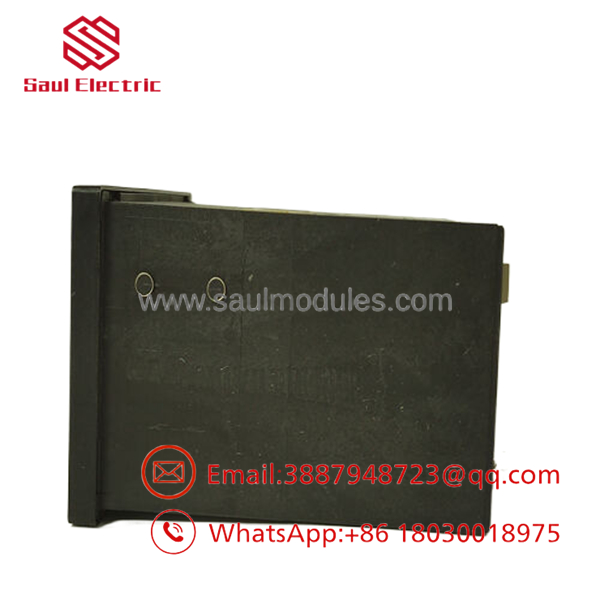
- 8440-1713
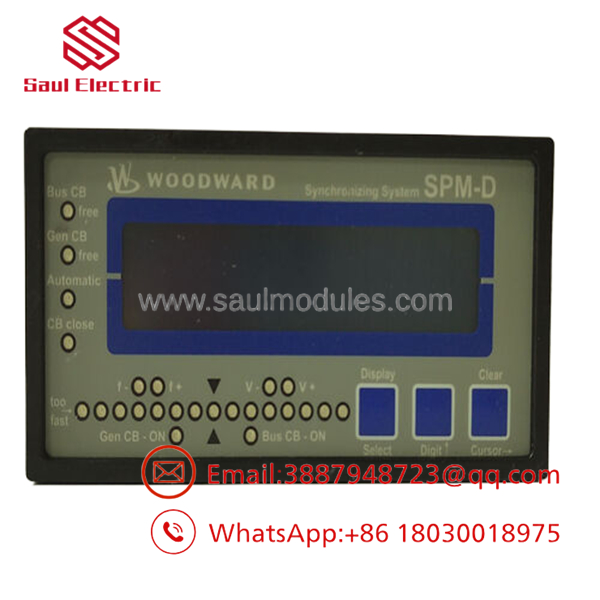
- 8440-1713
Transparency SOP: Quality Assurance & Testing
We don’t just ship boxes; we test them on actual Woodward generator control hardware whenever compatible equipment is available.
1. Inbound Inspection
- Verify OEM labels and serial numbers
- Inspect LCD, keypad, connectors, and enclosure
- Examine PCB for overheating, corrosion, or unauthorized repair
- Confirm terminal integrity
2. Live Rig Testing
- Complete power-on diagnostics
- Verify controller boot sequence
- Test communication ports
- Simulate generator voltage and frequency inputs
- Confirm relay output operation
3. Electrical Parameter Checks
- Power supply verification
- Digital input/output testing
- Analog measurement validation
- Relay contact inspection
4. Firmware Verification
- Record firmware revision
- Record hardware revision
- Verify application compatibility when available
5. Final QC & Anti-static Packaging
- Functional inspection
- Anti-static packaging
- Industrial protective cushioning
- Serialized inventory tracking
- 12-month warranty documentation
The Veteran’s Tech Trap Guide
⚠️ Back Up the Configuration Before Pulling the Controller
Generator protection settings, synchronization windows, and engine parameters are usually site-specific. Save the configuration first. Rebuilding it from memory rarely goes well.
⚠️ Don’t Ignore CT Polarity
Incorrect current transformer polarity can produce reverse power alarms and failed synchronization even when the controller is operating correctly.
❗Verify the AVR Interface
Many synchronization problems originate from incorrect voltage regulator wiring or configuration rather than the controller itself. Check excitation control before replacing hardware.
⚠️ Compare Firmware Revisions
Controllers with identical model numbers may contain different firmware revisions. Installing an incompatible revision can introduce communication faults or configuration mismatches.
Frequently Asked Questions (FAQ)
Q1. Does the Woodward 8440-1713 support hot swapping?
No. Isolate control power before removing or installing the controller. Live replacement can interrupt generator protection and damage connected equipment.
Q2. Can this controller operate generators in parallel?
Yes. The controller family supports synchronization, breaker control, load sharing, and parallel generator operation when configured for the application.
Q3. Does it support diesel and gas engines?
Yes. The controller is designed for industrial generator applications using either diesel or gas prime movers, depending on the configured control logic.
Q4. Is firmware compatibility important?
Absolutely. Firmware revisions may affect communication protocols, protection features, and parameter compatibility. Record the existing firmware before replacing the controller.
Q5. Why is this module less expensive than purchasing directly from the OEM?
Most available inventory comes from canceled projects, surplus maintenance stock, or plant modernization programs. The price reflects the procurement channel rather than the intended operating capability.
Q6. Is every controller tested before shipment?
Yes. Each controller undergoes visual inspection, power-up verification, communication testing, I/O checks where applicable, firmware documentation, and final quality inspection before shipment.
Q7. How do I verify compatibility before ordering?
Compare the following information with the existing installation:
- Woodward part number (8440-1713)
- Hardware revision
- Firmware revision
- Generator application
- Control panel configuration
- Wiring diagrams
- OEM documentation
Veteran’s advice: Before replacing any generator controller, export the existing parameter set, photograph every terminal block, and label each field wire. The physical replacement may take 20 minutes. Recovering a lost synchronization configuration can easily consume an entire day.

 Start Chat


