





Description
Product Introduction
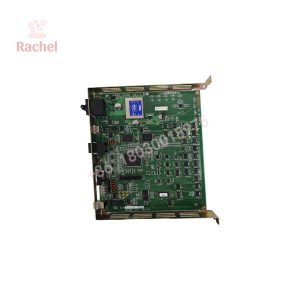
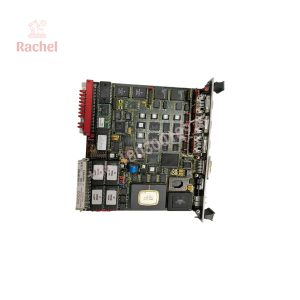
The Yaskawa JANCD-XCP02B-2 (commonly identified as XCP02B) is a core system processor board engineered for Yaskawa Motoman XRC and NX100 series industrial robot controllers. Operating as the system’s real-time computing engine, it manages complex kinematics calculations, multi-axis interpolation routines, teach pendant interaction, and high-speed sensor integration across robotic automation cells.
The board features specialized logic pipelines designed to support conveyor tracking and vision system synchronization. This capability allows Motoman articulated robots to dynamic-track and pick items moving down high-speed assembly lines without stopping the conveyor. High-density edge connectors and an integrated heat sink manage high-throughput data processing under demanding continuous factory shifts.
Key Technical Specifications
| Parameter | Value / Feature |
| Manufacturer | Yaskawa Electric / Motoman Robotics |
| Product Line | XRC / NX100 Robot Control Systems |
| Model Code | XCP02B / JANCD-XCP02B-2 |
| Board Function | Central Processing Unit / Motion & Conveyor Tracking Board |
| Compatible Systems | Motoman XRC, XRC2000, and NX100 Robotic Cabinets |
| Interface Capability | Multi-channel incremental encoder feedback, high-speed IO expansion |
| Thermal Management | Attached aluminum heat sink for passive IC cooling |
| Mounting Type | Internal controller rack slot panel mount |
| Operating Temp | 0°C to 55°C (32°F to 131°F) |
Application Scenarios & The “Trench” Experience
During high-volume palletizing or pick-and-place operations, a Motoman robot cell drops its conveyor tracking sync, causing the manipulator arm to miss incoming parts on the belt. An alarm code on the teach pendant indicates a tracking buffer overflow on the CPU board. Replacing the degraded JANCD-XCP02B-2 card clears internal logic faults, restoring precise high-speed vision and encoder synchronization across the conveyor belt.
- High-Speed Pick & Place Lines: Synchronizes robot TCP (Tool Center Point) movement with moving conveyor belts.
- Automated Robotic Welding Cells: Manages multi-axis arc welding trajectory generation and seam-tracking sensor data.
- Automated Material Handling: Executes fast trajectory calculations for 6-axis articulated robots in packaging environments.
- Robotic Machine Tending: Controls part loading/unloading routines interfacing with CNC machine tool signals.
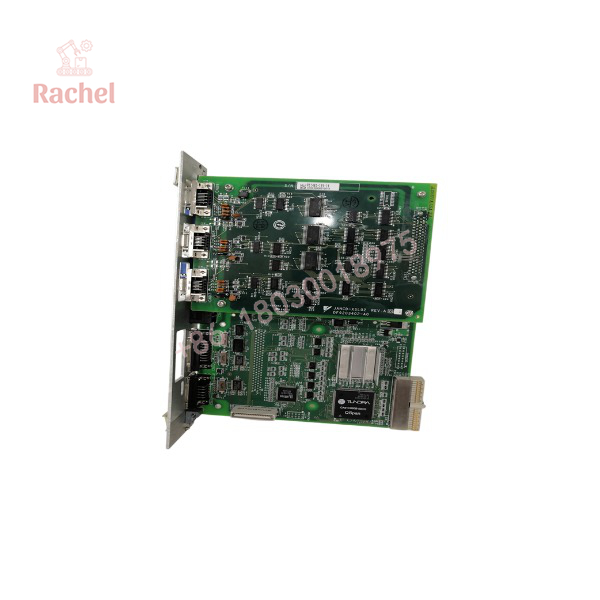
JANCD-XCP02B-2
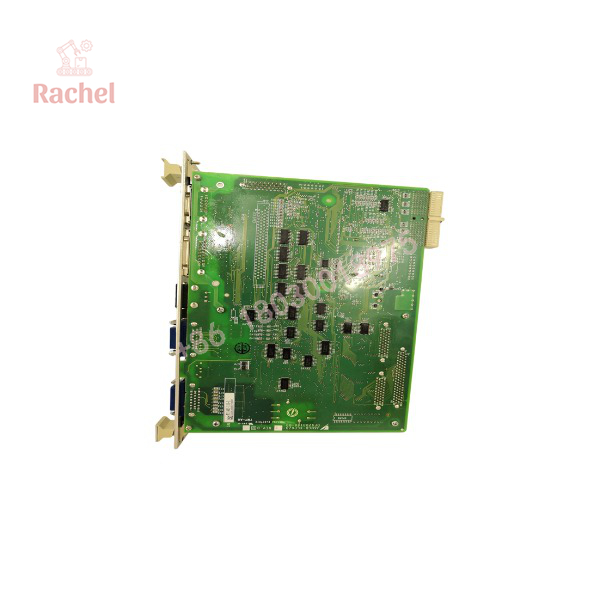
JANCD-XCP02B-2
Transparency SOP: Quality Assurance & Testing
- Inbound Visual & Physical Audit: Inspect multi-pin rack connectors for bent or misaligned pins, check SMT components for thermal stress marks, and inspect passive heat sink mounting.
- Controller Benchtop POST Check: Install unit into a test cabinet rack (NX100/XRC frame); verify startup self-test sequence, logic voltage rails, and teach pendant connection boot.
- Motion & Encoder Signal Stress Test: Inject simulated encoder quadrature pulses into tracking channels to confirm real-time position registration and zero packet drops.
- Thermal Stability Run: Exercise processing cores with high-speed multi-axis interpolation loops for extended periods to confirm heatsink thermal dissipation.
- ESD Protection & Packaging: Seal unit in static-shielding bags, cushion inside custom anti-static foam, and package in a heavy-duty export box.
The Veteran’s Tech Trap Guide (Crucial Value-Add)
- ⚠️ Match Firmware Suffix Revisions: Pay close attention to the full part number (e.g., JANCD-XCP02B vs JANCD-XCP02B-2). Software system versions stored on flash chips or daughtercards must align with your controller’s system software build.
- ❗ Backup Robot CMOS Parameters Before Swapping: Swapping out main CPU boards can reset SRAM memory. Always perform a full CMOS file backup (
CMOS.BIN) to a CompactFlash card or memory stick via the teach pendant before removing the old card. - ⚠️ Verify DIP Switch & Rotary Dial Positions: Before seating the replacement board, copy the exact hardware DIP switch settings from the original board to ensure correct node assignment and communication baud rates.
- ❗ Never Pull Under Power: Turning off main circuit breakers isn’t enough—wait for internal DC bus capacitors on adjacent servo amplifiers to bleed down completely before unseating the board.
Frequently Asked Questions (FAQ)
Q: What is the primary difference between JANCD-XCP01 and JANCD-XCP02B boards?
A: The XCP02B board is an upgraded generation offering enhanced processor throughput and expanded dedicated logic hardware for multi-channel conveyor tracking and sensor synchronization.
Q: Will swapping this board erase my robot’s job programs?
A: If job programs and system parameters are stored on the board’s onboard memory, swapping it without a prior backup will require reloading parameter files from disk.
Q: Can this board be used in both XRC and NX100 controllers?
A: Yes, variant compatibility extends across XRC and NX100 platform generations depending on installed daughterboard options and software firmware builds.
Q: What does a red LED fault on the front panel of the XCP02B indicate?
A: A solid red LED generally signals a CPU watchdog timeout, memory checksum failure, or internal hardware boot failure.
Q: What warranty applies to this surplus module?
A: All clean surplus and bench-tested Yaskawa JANCD-XCP02B-2 cards carry a full 12-month replacement warranty from the delivery date.

 Start Chat


