





Description
Product Introduction
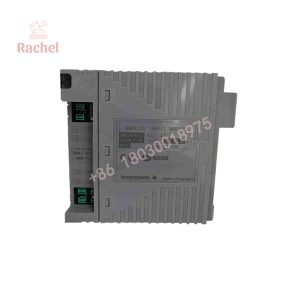
To be honest, the Yokogawa ALE111-S50 is a vital link for integrating third-party subsystems into CENTUM VP and ProSafe-RS distributed control systems. This FIO-compliant Ethernet communication module manages high-reliability data exchange across plant floors, anchoring seamless integration between remote control nodes and intelligent field devices.
Operating via a standard 10Base-T RJ-45 physical layer, it offloads protocol overhead from core processors while maintaining strict determinism. In our field experience, keeping a verified spare ALE111-S50 on the shelf prevents extended downtime when legacy network interface cards experience transient power surges or lightning strikes in remote instrument enclosures.
Key Technical Specifications
| Parameter | Value |
| Module Type | Ethernet Communication Module (FIO Standard Type) |
| System Compatibility | Yokogawa CENTUM VP & ProSafe-RS DCS |
| Communication Protocol | IEEE 802.3 10Base-T (CSMA/CD) |
| Physical Interface | 1x RJ-45 Port (Unshielded Twisted-Pair) |
| Transmission Distance | Up to 100 meters per segment |
| Input Power Supply | 24V DC \pm 20% (via node unit bus) |
| Maximum Current Consumption | 0.5 A (Approx. 2.5 W power draw) |
| Explosion Protection | None (-S50 standard non-hazardous rating) |
| Operating Temperature | 0°C to +60°C |
| Physical Dimensions | Approx. 7.7 cm \times 4.2 cm \times 10.6 cm |
| Weight | Net \sim0.3 kg |
Application Scenarios & The “Trench” Experience
Picture this: It’s 1:00 AM at a massive petrochemical refinery, and the primary DCS data highway throws an unrecoverable communication fault on an auxiliary skid interface. Operator displays go grey for a critical compressor package. Maintenance pulls the rack, traces the blown transceiver to an ALE111 module fried by a ground loop, and faces a multi-week factory shipping delay. Having an immediate, pre-tested surplus replacement ready to slide into the ESB node rack gets the control loop back online in minutes.
- Oil & Gas – Compressor Skid Integration: Connecting package PLC data to Yokogawa CENTUM VP DCS operator stations over Ethernet.
- Power Generation – Boiler Control Subsystems: Bridging remote monitoring nodes to the main control room network architecture.
- Chemical Processing – Safety Instrumented Systems: Interfacing auxiliary subsystem telemetry within ProSafe-RS safety environments.
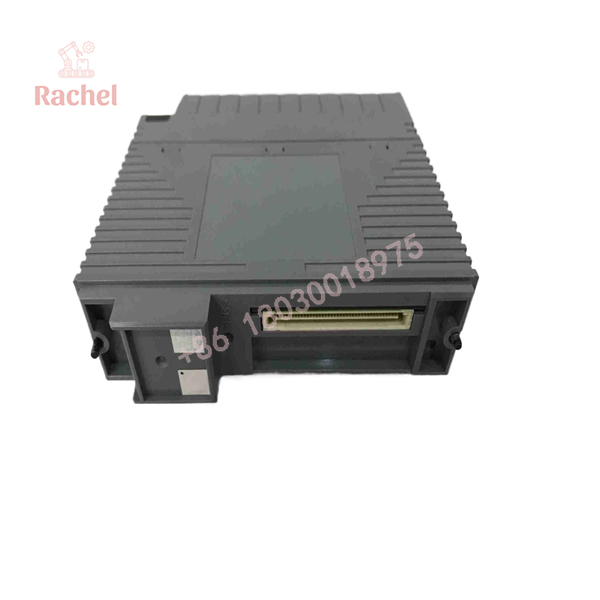
ALE111-S50
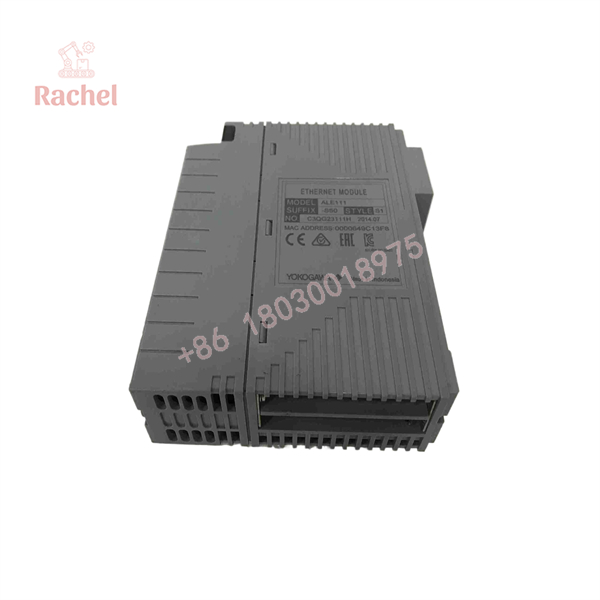
ALE111-S50
Transparency SOP: Quality Assurance & Testing
We don’t just ship boxes; we test them on actual Yokogawa node racks. Every unit goes through a strict verification protocol:
- Inbound Inspection: Visual check for pin damage, bus connector integrity, and anti-counterfeit OEM label verification.
- Live Rig Testing: Insertion into an active FIO node unit rack to perform power-on self-tests and verify 24V bus power regulation.
- Communication Handshake: Testing the RJ-45 transceiver link using a network traffic generator to verify error-free 10Base-T packet transmission.
- Thermal Stability Check: Operating the module under continuous load to verify internal component thermal dissipation.
- Final QC & Anti-static Packaging: Clearing internal registers, sealing in high-grade ESD shielding bags, and packing with shock-absorbing foam.
The Veteran’s Tech Trap Guide (Crucial Value-Add)
⚠️ Explosion Protection Mismatch: Do not install a standard -S50 module into hazardous locations requiring non-incendive or intrinsically safe barriers unless housed inside an approved purged cabinet. Verify your area classification before swapping cards.
❗ Node Unit Bus Pin Alignment: Always isolate node power before inserting or pulling the ALE111 module. Slipping the multi-pin backplane connector at an angle can bend fragile bus pins, causing persistent node communication failures.
⚠️ Cable Shield Grounding: Ensure your Cat5/Cat6 drop cables are correctly grounded at industrial patch panels. Unmitigated common-mode transients traveling down ungrounded Ethernet lines will bypass the module’s transceiver isolation and fry the internal logic controller.
Frequently Asked Questions (FAQ for Conversion)
Q: Is the ALE111-S50 hot-swappable?
A: Yes, the FIO hardware architecture supports module replacement under power within compatible node units, provided your system configuration allows online maintenance without triggering a safety interlock trip.
Q: Does this module require software configuration after replacement?
A: Because network node parameters and station addresses are typically stored in the CENTUM VP engineering station or node processor, a direct hardware swap usually restores communication automatically. However, always verify project revision synchronization.
Q: Does this unit come with a warranty?
A: Yes. All surplus and fully tested units include a standard 12-month replacement warranty.
Q: Why is this priced lower than direct OEM channels?
A: We source surplus, overstock, and factory-sealed industrial hardware from plant liquidations and excess inventory channels, passing the savings on lead time and cost directly to plant operations teams.
Q: Can this module connect directly to modern Gigabit office switches?
A: ❗ No. The ALE111-S50 operates on legacy 10Base-T standards. Connecting it to unmanaged high-speed switches without proper 10/100/1000 auto-negotiation or VLAN segmentation can lead to collision frame drops in heavy industrial traffic. Ensure you use an industrial managed switch configured for the correct port speed.

 Start Chat


