





Description
Product Introduction
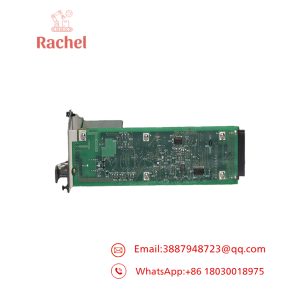
The Yokogawa CP451-10 serves as the primary Field Control Station (FCS) processor engine across the legacy CENTUM CS 3000, CS 1000, and upgraded CENTUM VP DCS architectures. It processes real-time control algorithms, executes complex function blocks, manages high-density I/O communication, and interfaces seamlessly with Human Interface Stations (HIS) via Yokogawa’s proprietary V-net network.
Engineered specifically for mission-critical industrial continuous process environments, the CP451-10 utilizes a high-reliability RISC processor running on a deterministic execution period. Unlike standard commercial PLC hardware, this module is built to run continuously in redundant pairs with sub-millisecond, bumpless failover capability to protect multi-million dollar plant operations from unscheduled downtime.
Key Technical Specifications
| Parameter | Value / Description |
| Manufacturer | Yokogawa Electric Corporation |
| Part Number | CP451-10 (S2 variant supported) |
| DCS Platform Compatibility | CENTUM CS 3000, CS 1000, CENTUM VP |
| Processor Architecture | 32-Bit RISC High-Speed Industrial Processor |
| System Memory | 64 MB RAM / 32 MB Flash ROM |
| Control Scan Period | Configurable from 10 ms to 10 s (100 ms typical) |
| Network Interfaces | Dual V-net Control Bus Interfaces (Redundant coaxial/twisted pair) |
| Auxiliary Ports | EWS (Ethernet Workstation), RS-232C Console |
| Redundancy Scheme | 1:1 Hot-Standby Redundant CPU Pairing (via RMT sync cable) |
| Operating Temperature | 0°C to +55°C (32°F to 131°F) |
| Mounting | FCS Base Chassis Slot (AFW10D / AFW20D rack mount) |
Application Scenarios & The “Trench” Experience
A primary process CPU throws an internal memory parity error at 3:15 AM on a ethylene cracker unit. If the secondary standby CPU doesn’t catch the control loop seamlessly, a safety trip activates, flaring millions of dollars of raw hydrocarbon feedstock. In modern processing plants running legacy CENTUM CS 3000 systems, finding a verified, firmware-matched CP451-10 module quickly is the difference between an unnoticeable hardware switch and a full plant blackout.
- Oil Refining & Distillation – Continuous column tray temperature control, pressure loops, and burner management systems where control loss causes runaway thermal conditions.
- Chemical Reactors & Polymerization – Manages highly complex sequence function charts (SFC), interlocking batch recipes, and ESD trip interlocks.
- Thermal Power Generation – Regulates boiler drum levels, combustion air-to-fuel ratios, and steam turbine trip parameters.
- Pharmaceutical Batch Systems – Executes strict, repeatable automated batch sequences with high-density analog loops.
Real-World Field Case Study
During a planned turnaround maintenance window at a Gulf Coast chemical facility, an primary FCS cabinet was accidentally subjected to a localized high-voltage surge during welding repairs nearby. The active CP451-10 processor module took a high-voltage transients hit to its front V-net communication transceiver port, dropping offline instantly.
Because the system was configured with a redundant 1:1 standby pair, control held firm without dropping a single valve. However, running a $40M/year reactor on a single un-redundant CPU card while waiting for standard lead times was an unacceptable risk. The site manager sourced a pre-tested, surplus CP451-10 module. The instrument crew verified the internal DIP settings, slotted the unit into the redundant CPU rack, initiated the hardware handshake via software, and restored full 1:1 dual redundancy within 90 minutes.
Transparency SOP: Quality Assurance & Testing
We don’t just ship boxes; we test them on actual Yokogawa CENTUM test racks. Every pre-owned or new-surplus CP451-10 processor card goes through a strict multi-point verification protocol before entering our dispatch bay:
- Inbound Visual & Physical Audit: Inspect the front panel connectors, backplane edge pins, side rails, and seal labels for trace burns, corrosion, or physical damage.
- Bench Power-On Self-Test (POST): Mount the card in a powered AFW rack to verify initial bootstrap logic, checking that
RUNandRDYLEDs illuminate correctly without system watchdog halts. - V-Net Communication Load Test: Connect dual coaxial/twisted-pair V-net lines and drive continuous network traffic to prove signal integrity on both V1 and V2 channel transceivers.
- 1:1 Redundancy Handshake Verification: Pair the CPU with a companion processor, run a simulated failover cycle via an RMT sync link, and confirm sub-millisecond, bumpless transfer of active control logic.
- Firmware Logging & ESD Packaging: Record exact system revision specs and pack in static-shielding bags with custom-molded anti-vibration foam packaging.
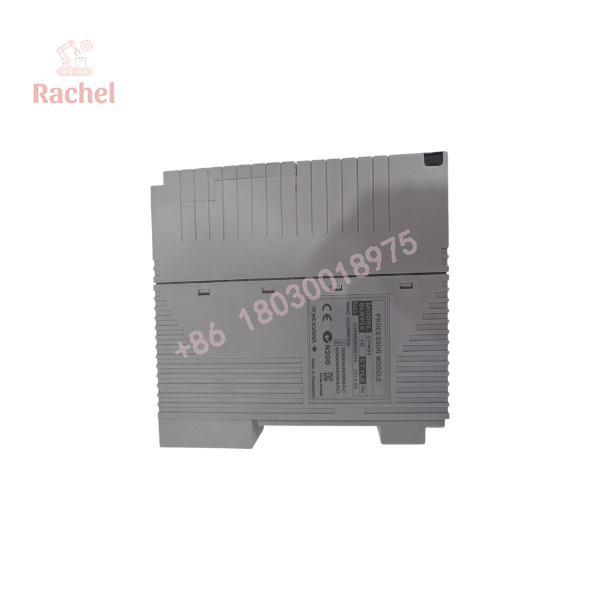
CP451-10
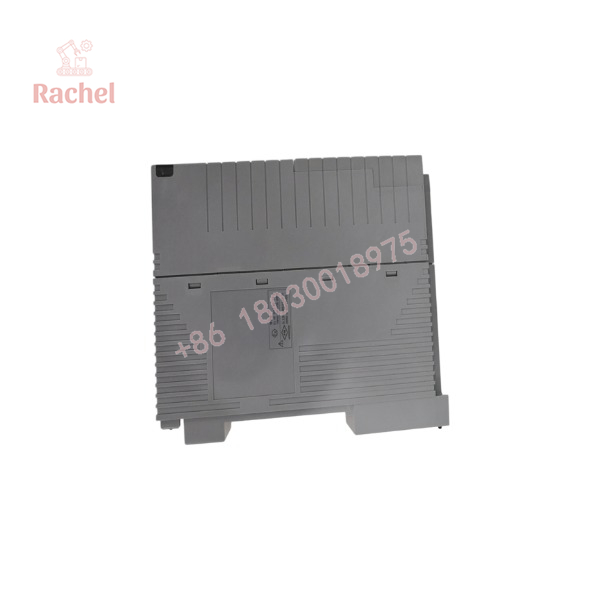
CP451-10
The Veteran’s Tech Trap Guide (Crucial Value-Add)
⚠️ Backup Your FCS Configuration First: Before inserting or removing any CPU module, ensure you have pulled a fresh backup of the FCS database from your Engineering Workstation (EWS). If memory registers clear during swap procedures, reloading the system state from software is your only safety net.
❗ Verify Firmware Revisions & Suffix Numbers: Pay close attention to suffix codes (e.g., CP451-10 vs. CP451-10 S2). While mostly backward compatible, running mismatched firmware revisions on redundant pairs can prevent automatic state-synchronization or trigger unexpected bus sync alarms.
⚠️ DIP Switches and RMT Sync Cables: Take a clear photo of the internal DIP switch banks on the side or board of the old card before you pull it out. Match the switch configuration on the replacement unit exactly before slitting it into the backplane. Also, double-check that the RMT redundancy interconnect card is securely seated.
❗ Avoid Backplane Pin Damage: These rack slots use high-density backplane pin headers. Never force a CP451-10 into the FCS rack slot. If you feel resistance, pull the card out, inspect for bent pins inside the backplane frame, align the card guide rails, and push straight in with steady pressure before tightening top/bottom retaining screws.
Frequently Asked Questions (FAQ)
Q: Can I hot-swap the CP451-10 module while the Field Control Station is running?
A: Yes, provided the system is configured in a dual-redundant 1:1 arrangement (two CP451-10 modules installed). You can pull the faulted CPU module without shutting down plant operations. If you are running a single-CPU non-redundant rack, pulling the module will cause an immediate loss of control!
Q: What is the key difference between CP451-10 and older processor cards like the CP440?
A: The CP451-10 offers significantly higher processing clock speeds, expanded 64MB RAM capacity, and lower execution scan times compared to legacy CP440 modules, allowing it to handle double the function block density.
Q: How do I know if my CP451-10 failure is a hardware fault or a V-net communication drop?
A: Check the front panel status LEDs. If RDY is green but FAIL or ALM is amber, the CPU logic is intact, but it cannot see the V-net bus. If RDY is dark or FAIL is solid red, the module experienced an internal logic, memory, or power section fault.
Q: What battery maintenance is required for these processor cards?
A: The CP451-10 relies on an internal RAM retention battery to hold system control logic during total station power outages. To avoid memory loss during maintenance shutdowns, replace the onboard lithium battery every 3 to 5 years.
Q: What warranty comes with surplus or refurbished CP451-10 modules?
A: All factory-sealed surplus and tested refurbished Yokogawa CP451-10 modules supplied through our channel come standard with a full 12-month operational replacement warranty.
Q: Why are surplus Yokogawa DCS cards cost-effective compared to direct factory purchasing?
A: Major manufacturers place high markups on older legacy platform components to incentivize full DCS migrations to newer hardware. Sourcing surplus and high-grade pre-owned stock allows process facilities to maintain legacy infrastructure without multi-million dollar capital overhauls.

 Start Chat


