





Description
Product Introduction & Engineering Value
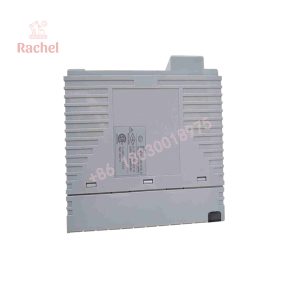
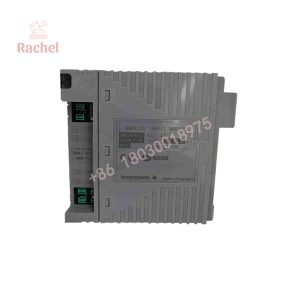
Maintenance downtime on an active CENTUM VP node rack leaves zero margin for error when a processor throws a fatal status light. The Yokogawa CP451 processor module acts as the computational engine for field control units, processing heavy mixed-signal control logic without dropping packets on the Vnet/IP network.
Designed for seamless drop-in placement in legacy and modern architectures alike, this controller manages complex scaling, alarming, and multi-loop execution loops. Experienced instrument techs rely on its dual-redundant swap capabilities to maintain continuous plant operation during hardware lifecycle refreshes.
Technical Specifications
- Processor Architecture: High-speed 32-bit RISC processing core optimized for real-time industrial task execution.
- Supported Control Systems: Yokogawa CENTUM CS3000 and CENTUM VP systems.
- Network Interface: Dual-redundant Vnet/IP control bus connection interface.
- Execution Cycle: High-speed deterministic 10 ms update rate for primary control functions.
- Mounting Style: Dedicated slot installation on standard node unit card files.
- Power Requirements: Powered via node power supply architecture (24 V DC / AC variants dependent on backplane configuration).
- Diagnostic Features: Front-panel status LED indicators (SELF,_PWR,_RDY,_ACTIVE) for instant health checks.
- Environmental Rating: Standard operating temperature range of 0°C to 50°C (field cabinet dependent).
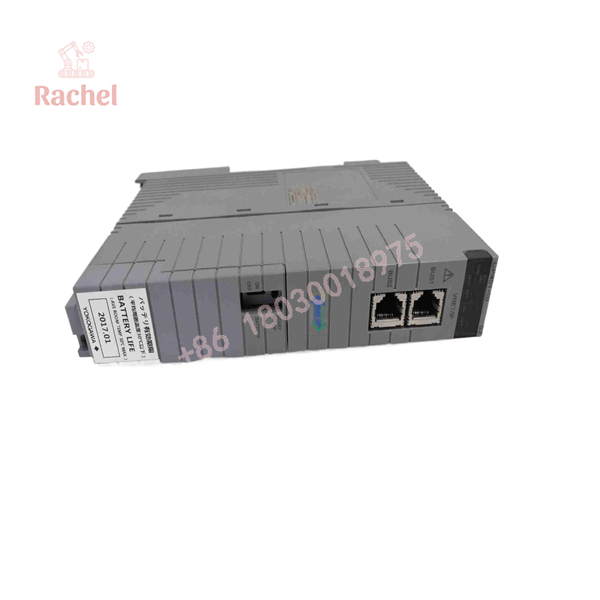
CP451
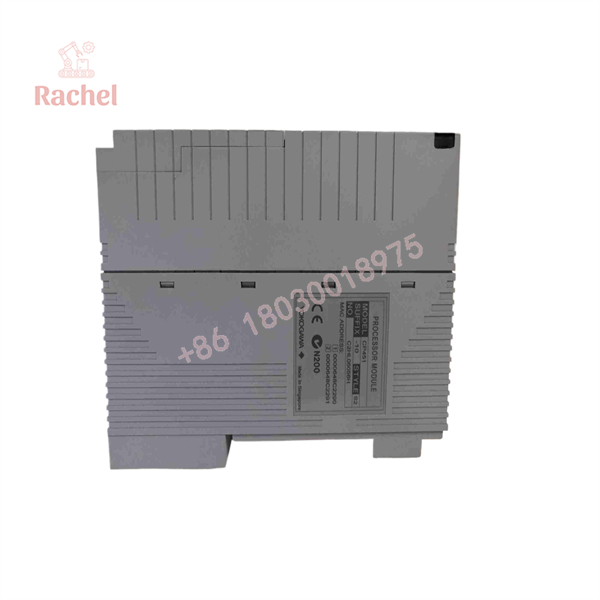
CP451
Field Application & The “Trench” Experience
During a planned turnaround at a coastal olefins plant, a primary node rack on the ethylene fractionator suffered a catastrophic backplane surge that fried the active CPU card. With feedstock lines pressurized and a multi-million-dollar startup window closing by the hour, the instrumentation team pulled a verified surplus CP451-50 from the instrument shop, verified the hardware switch settings against the engineering project database, and hot-swapped the unit into the redundant slot pair. The node synchronized its database across the Vnet/IP network in under three minutes, allowing the control room to resume closed-loop distillation control without an emergency plant trip.
Primary Deployment Scenarios:
- Catalytic Cracking Unit Temperature Control: Managing tight-tolerance multivariable loops where scan time latency cannot exceed standard thresholds.
- Offsite Tank Farm Automation: Handling massive digital and analog interlock registries across remote node interfaces.
Transparency SOP: QA & Testing
- Visual & Physical Inspection: Every incoming CP451 module undergoes microscopic examination for component corrosion, pin damage, or capacitor leakage.
- Static Bench Test: Units are mounted to a live test rack fixture to verify power draw, internal voltage regulation, and crystal oscillator stability.
- Communication Handshake: Engineers loop the Vnet/IP port into an isolated test bench network to confirm packet transmission integrity and firmware response.
- Thermal Burn-In: Critical inventory undergoes a 48-hour thermal stress cycle to weed out infant mortality defects prior to warehouse placement.
The Veteran’s Tech Trap Guide (Crucial Value-Add)
⚠️ FIRMWARE REVISION MISMATCH: Never drop a newer suffix version (such as transitioning from a legacy CP451-10 to a CP451-50) into a redundant pair without verifying that your CENTUM system software revision supports the underlying instruction set. Mismatched firmware builds will drop synchronization.
PRO TIP: Always back up your project configuration database via CENTUM Engineering Tool before pulling a primary CPU card. While station data is typically saved on flash, an unverified NVRAM handoff can trigger a tedious manual node reload mid-shift.
Dynamic FAQ
- Q: Is the CP451 compatible with both CENTUM CS3000 and CENTUM VP frameworks?
- A: Yes, depending on the exact model suffix code (such as the CP451-10 or CP451-50), it is engineered for integration within these specific platform generations. Check your system builder documentation to match the correct suffix version.
- Q: Can these modules be configured in a dual-redundant hot-standby arrangement?
- A: Absolutely. By placing matching CP451 units into adjacent odd/even slots on the node unit, the system automatically manages primary/standby tracking.
- Q: What condition is your stock in, and does it come with a warranty?
- A: Our inventory consists of verified New Surplus and fully refurbished, bench-tested units. Every CP451 module is backed by a standard 12-month operational warranty.
- Q: How quickly can a replacement unit ship in an emergency breakdown scenario?
- A: We maintain stocked inventory ready for same-day dispatch via priority courier options to minimize costly plant downtime.

 Start Chat


