





Description
Key Technical Specifications
| Parameter | Value |
|---|---|
| Manufacturer | ABB |
| Model | HAI805 |
| Product Type | Analog Input Module |
| Product Family | Symphony Plus S+ I/O |
| Input Channels | 8 group-isolated analog inputs |
| Input Signal | 4–20 mA |
| HART Support | Dedicated HART modem on each channel |
| Isolation | Group isolated analog inputs |
| Base Unit | ITU805 Terminal Unit |
| Application | Process signal acquisition and HART device communication |
| Mounting | Symphony Plus S+ I/O rack |
| Typical Industries | Power generation, oil & gas, chemical, water treatment |
Product Introduction & Supply Chain Strategy
The ABB HAI805 is an 8-channel analog input module developed for the Symphony Plus S+ I/O platform. It receives 4–20 mA process signals from transmitters while simultaneously supporting HART communication on every channel, allowing access to both process variables and transmitter diagnostics.
Purchasing the HAI805 as New Surplus provides genuine OEM hardware while avoiding the reliability risks associated with refurbished electronics. For process plants operating continuously, maintaining buffer stock, reducing lead time variability, implementing vendor consolidation, and planning last-time-buy purchases where appropriate can reduce Total Cost of Ownership (TCO) and minimize production downtime.
Installation & Configuration Guide
Stage 1 – Pre-Installation (Prep & Safety)
- Perform Lock-Out/Tag-Out (LOTO).
- Isolate all control system power.
- Wear a grounded ESD wrist strap.
- Record:
- Channel assignments
- HART device addresses
- Engineering database configuration
- Photograph all field wiring before removal.
Stage 2 – Removal
- Verify the cabinet is de-energized.
- Disconnect field wiring from the ITU805 terminal unit if required.
- Release the retaining mechanism.
- Remove the module evenly to avoid damaging backplane connectors.
- Inspect connectors for contamination or bent pins.
Stage 3 – Installation (Clone & Seat)
- Verify the replacement model is ABB HAI805.
- Insert the module fully into the rack.
- Confirm proper connector engagement.
- Restore field wiring exactly as documented.
- Verify grounding and cable shielding.
Stage 4 – Power-On & Testing
- Restore system power.
- Verify module status LEDs indicate normal operation.
- Confirm all analog channels are reading correctly.
- Test HART communication with connected field transmitters.
- Validate process values before returning the control loop to service.
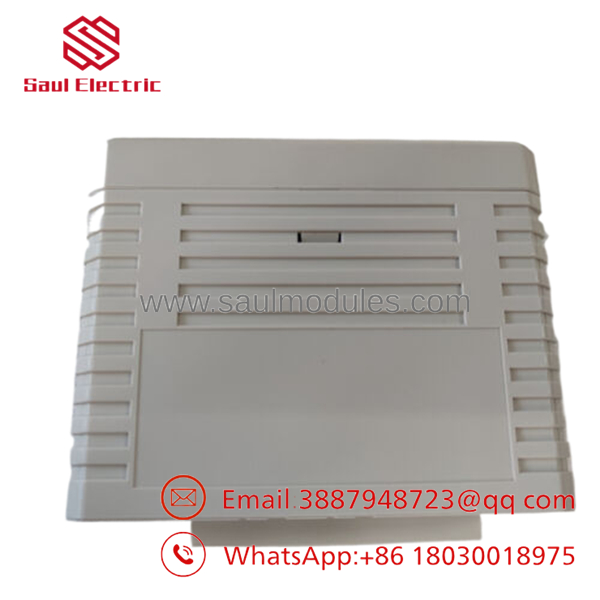
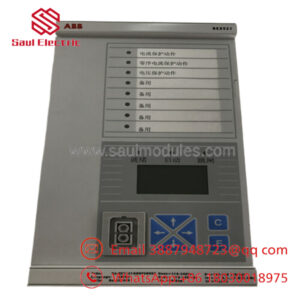
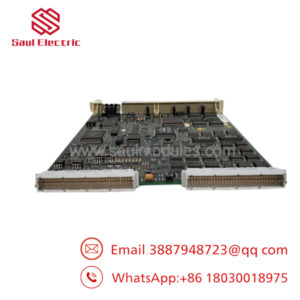
- HAI805
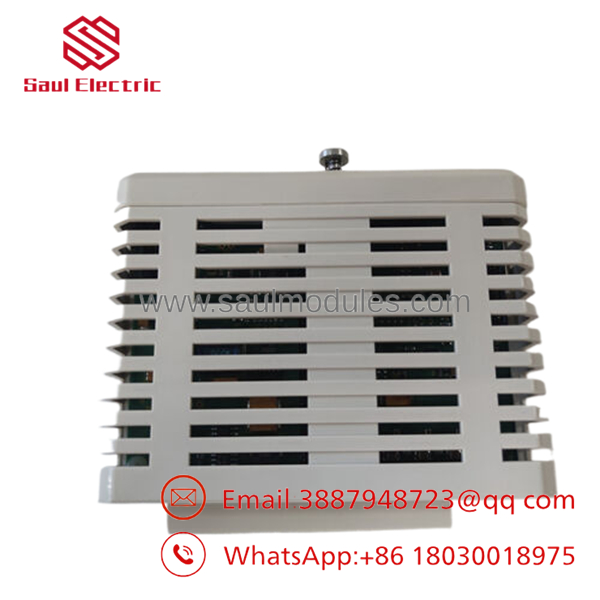
- HAI805
Firmware/Software Versions & Upgrade Notes
- Verify compatibility with the installed Symphony Plus controller and S+ Engineering software.
- Back up controller and I/O configuration before hardware replacement.
- Confirm HART device polling and tag assignments after installation.
- Avoid performing firmware upgrades during module replacement unless specifically required.
- Verify scaling, engineering units, and alarm limits before placing the loop back into operation.
- Document firmware revisions to simplify future maintenance and troubleshooting.
Frequently Asked Questions (FAQ)
Q1. Is this module genuinely new?
Yes. This product is supplied as New Original / New Surplus. It is not used, not removed from an operating plant, and not refurbished. Every module undergoes quality verification before shipment.
Q2. Why is New Surplus priced below OEM list price?
New Surplus inventory originates from excess project inventory and authorized supply channels. It provides genuine OEM equipment while avoiding the uncertainty associated with refurbished modules.
Q3. Does the support HART communication?
Yes. The features eight dedicated HART modems, allowing simultaneous acquisition of the 4–20 mA process signal and digital HART diagnostic information from compatible field instruments.
Q4. Can the module be replaced online?
Follow the procedures approved for your specific Symphony Plus architecture. Unless the installation explicitly supports online replacement, isolate system power before replacing the module to avoid communication faults and unexpected process interruptions.
Q5. Will replacing the module affect transmitter calibration?
No. Transmitter calibration remains in the field device. After installation, verify channel scaling, HART communication, and engineering database configuration before returning the loop to service.
Q6. What quality inspections are completed before shipment?
Each New Surplus module undergoes:
- OEM part number verification
- Serial number traceability
- Visual inspection
- Connector integrity inspection
- Functional verification where applicable
- ESD-safe packaging
- Final QC approval documentation
Q7. What spare parts strategy is recommended?
For mission-critical Symphony Plus installations:
- Maintain as on-site buffer stock.
- Use vendor consolidation to simplify procurement.
- Implement cross-site inventory sharing across multiple plants where practical.
- Monitor lifecycle status and plan last-time-buy purchases if OEM production or market availability declines, reducing lead time variability and lowering long-term Total Cost of Ownership (TCO).

 Start Chat


