





Description
Product Introduction & Engineering Value
The Alcatel-Lucent 11076A-128 is a legacy ATM processor for the Lucent/Alcatel-Lucent CBX 500 platform. It provides a single OC-12/STM-4 optical interface and performs ATM flow-control functions, including virtual-path shaping and QoS processing. This places it in the carrier ATM transport layer rather than in the Ethernet switching generation that followed.
The 128 MB version needs to be distinguished from the standard 11076A. Catalog records identify the standard card as a 1-port OC-12/STM-4 flow-control card, while the -128 version specifically adds the 128 MB memory configuration.
Technical Specifications
| Parameter | Specification |
|---|---|
| Manufacturer | Alcatel-Lucent / Lucent |
| Model | 11076A-128 |
| Platform | CBX 500 |
| Card Type | ATM Flow Control Processor |
| Optical Rate | OC-12 / STM-4 |
| Port Count | 1 |
| Memory | 128 MB RAM |
| ATM Function | Flow-control processing |
| Traffic Management | VP shaping |
| QoS | Supported |
| Associated P/N | 810-00280-28 |
| HECI / Assembly | BAA5BDDAAA |
The same CBX 500 product catalog identifies 11076A-128-REV-01 with 810-00280-10 and describes it as a 1-port OC-12/STM-4 ATM flow-control processor with VP shaping, QoS, and 128 MB RAM. This is important because 11076A-128 and a specific revision/assembly should not be treated as identical identifiers during procurement.
Interface Context
OC-12 and STM-4 represent the SONET and SDH designations for the approximately 622 Mb/s optical hierarchy level. The 11076A-128 is therefore a higher-rate ATM optical card than the 4-port OC-3/STM-1 11075L-128 discussed previously.
Field Application & the “Trench” Experience
A realistic maintenance case is an old CBX 500 node where an OC-12 backbone connection is still carrying ATM traffic between carrier aggregation sites. The card begins reporting optical or ATM processing faults. Replacing the entire shelf would be excessive; the maintenance team needs the same processor family.
The engineer checks the failed label and finds 11076A-128. The warehouse has several similar CBX 500 cards, but only one matches the required OC-12/STM-4 rate and 128 MB configuration. The spare is then checked against the hardware revision and associated part number before installation.
That is the right approach with this generation of equipment. Physical fit is not compatibility.
Specific application scenarios
- Carrier ATM backbone aggregation — terminate an OC-12/ ATM transport connection.
- Legacy SONET/SDH ATM nodes — maintain an installed CBX 500 network where ATM services remain operational.
- VP traffic engineering — use the card’s documented VP shaping and QoS functions for controlled ATM traffic handling.
- Migration-period POPs — keep legacy ATM infrastructure operating while services are transitioned to packet-based platforms.
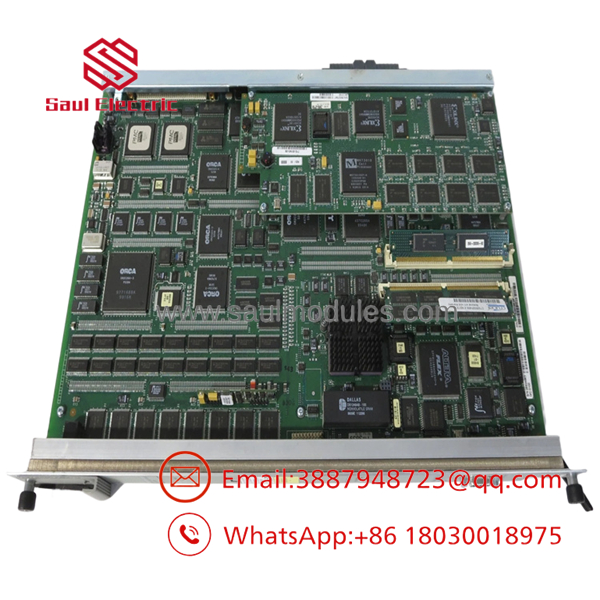
11076A-128
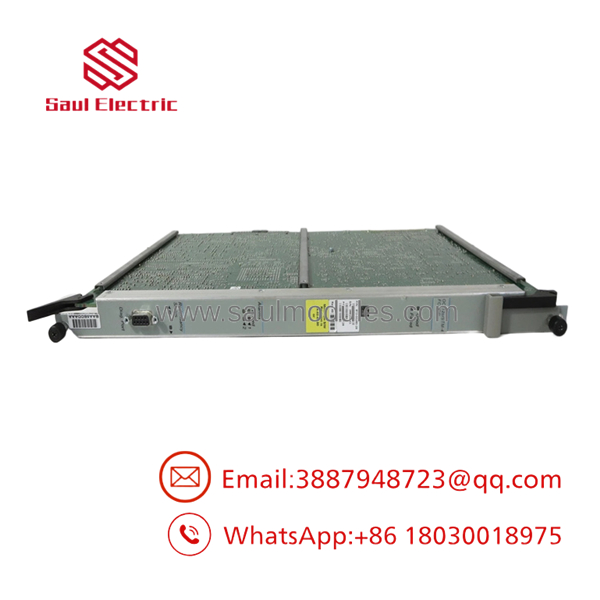
11076A-128
Transparency SOP — QA & Testing
For New Surplus or refurbished 11076A-128 stock, the receiving process should focus heavily on exact identification.
Step 1 — Verify the card
Confirm:
11076A-128810-00280-28where applicable- HECI/assembly information
- Hardware revision
- Serial number
Step 2 — Inspect the optical interface
Check the OC-12/ optical connector, faceplate, guide pins, card-edge contacts, and chassis mounting hardware.
Step 3 — Confirm memory configuration
Do not accept a generic “11076A” description as equivalent to 11076A-128. The catalog specifically distinguishes the 128 MB version.
Step 4 — Functional test
On a compatible CBX 500 test shelf, verify:
- Card recognition
- OC-12/ interface operation
- ATM processing
- VP shaping
- QoS behavior
- Alarm reporting
Step 5 — Record condition
Document whether the unit is New OEM, New Surplus, Refurbished, or Used Tested. Current secondary-market listings include tested used equipment, so those terms should not be treated as interchangeable.
The Veteran’s Tech Trap Guide
⚠️ Trap #1 — Confusing 11076A with 11076A-128
The -128 suffix matters. Catalogs identify 11076A-128 as the 128 MB version, while the base 11076A is listed separately.
PRO TIP: Your RFQ should say:
Alcatel-Lucent 11076A-128 — CBX 500 — 1-Port OC-12/ — 128 MB
Not simply “11076A.”
⚠️ Trap #2 — Confusing it with the 11075L-128
These two cards are easy to mix up in an old-spares cabinet.
- 11075L-128: 4 × OC-3/STM-1
- 11076A-128: 1 × OC-12/
Both are ATM processor cards, but their optical capacity and architecture are different.
⚠️ Trap #3 — Ignoring the part-number revision
Catalog records show 11076A-128-REV-01 associated with 810-00280-10, while another catalog entry associates 11076A-128 with 810-00280-28. Match the complete label on the failed unit before declaring a replacement equivalent.
⚠️ Trap #4 — Assuming “OC-12” means Ethernet
It does not. This is an ATM processor operating over the SONET/SDH optical hierarchy. A modern 10GbE/OTN card with a similar optical rate is not a functional substitute.
Dynamic FAQ
Q1. What is Alcatel-Lucent 11076A-128?
It is a CBX 500 one-port OC-12/ ATM flow-control processor card with 128 MB RAM, including VP shaping and QoS functions.
Q2. What is the optical rate of the 11076A-128?
The card is specified for OC-12/, approximately 622 Mb/s at the physical hierarchy level.
Q3. How many optical ports does it have?
The documented configuration has one OC-12/ port.
Q4. Does the 11076A-128 support QoS?
Yes. The product description specifically identifies VP shaping with QoS.
Q5. Is 11076A-128 the same as 11076A?
No. The -128 designation identifies the 128 MB configuration. Treat the two as separate procurement items unless your equipment documentation explicitly approves substitution.
Q6. Is New Surplus 11076A-128 available?
Secondary-market availability exists, but condition varies. Current listings include tested used units, so New Surplus buyers should request clear label photographs, exact revision/part-number confirmation, functional-test evidence, and written warranty/DOA terms.

 Start Chat


