





Description
Product Introduction & Engineering Value
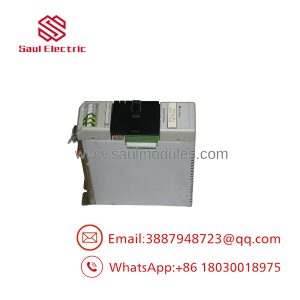
When field maintenance teams repeatedly blow blown-glass fuses due to transient short circuits, control engineers upgrade to electronic protection. The Allen-Bradley 1746-OB16E packs 16 sourcing 24V DC transistor outputs into a single SLC slot, providing high channel density with auto-resetting short-circuit safeguards.
By detecting overcurrent conditions at the semiconductor level, the card shuts down affected outputs before physical damage or blown fuses stall production lines. Maintenance crews simply clear the field fault, reset the channel in logic, and resume operation without opening the module enclosure.
Technical Specifications
| Specification | Parameter Value |
| Number of Outputs | 16 sourcing channels (electronically fused) |
| Operating Voltage Range | 10 to 30V DC |
| Continuous Current per Channel | 0.5 A at 30°C (0.25 A at 60°C) |
| Continuous Current per Module | 8.0 A total max (4.0 A per point group) |
| Electronic Protection Trip Point | 1.0 A to 2.0 A per channel |
| Off-State Leakage Current | 1.0 mA max |
| On-State Voltage Drop | 1.2 V DC max at 0.5 A |
| Signal Delay (Off-to-On / On-to-Off) | 0.1 ms max / 1.0 ms max |
| Backplane Current (5V DC) | 135 mA |
| Isolation | 1500V AC field-to-backplane |
Field Application & The “Trench” Experience
A high-speed bottling line was experiencing frequent shutdowns on a case-packing station when worn wiring harnesses inside a flexible cable carrier periodically shorted 24V DC valve solenoid leads to machine ground. Standard output cards kept blowing internal fuses, taking down all 16 channels and requiring module removal for fuse replacement. Upgrading to a 1746-OB16E isolated the shorted valve channel automatically while keeping the remaining 15 outputs operational, allowing maintenance to fix the cable carrier during planned downtime.
- Automotive Robodrill Tool Changers: Controlling 24V DC pneumatic tool clamp solenoids subject to heavy cable flexing and coolant spray.
- Warehouse Sorting Conveyors: Driving high-frequency diverter flap actuators across multi-lane distribution hubs.
- Grain Elevator Gate Actuators: Operating 24V DC directional control valves on hazardous-area slide gates.
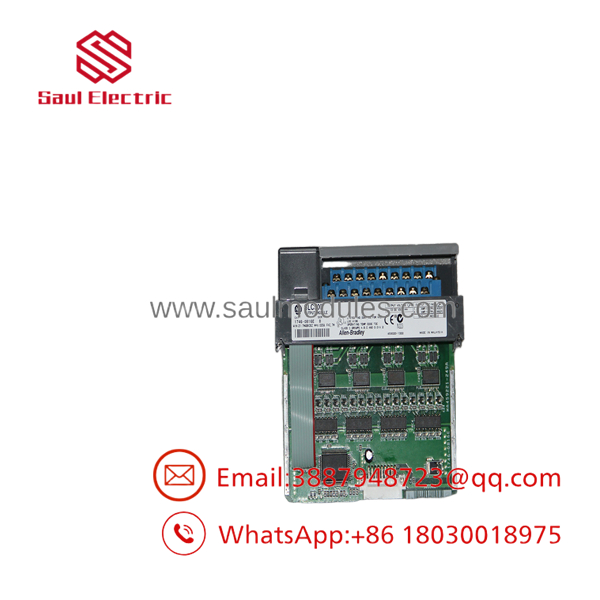
- 1746-OB16E
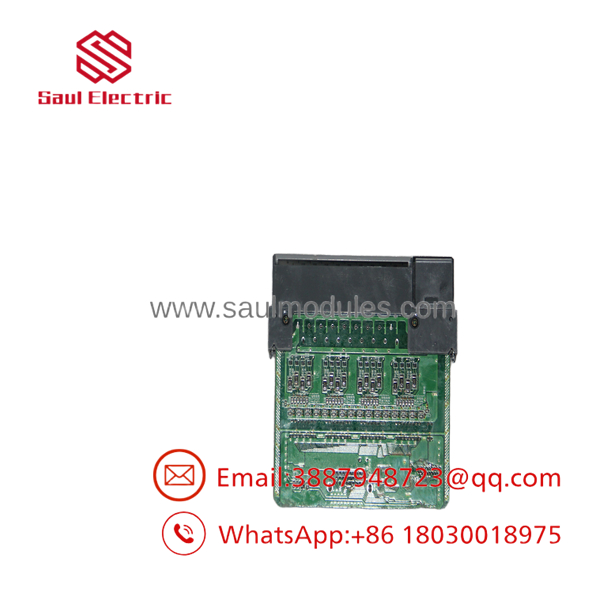
- 1746-OB16E
Transparency SOP: QA & Testing
- Visual & Board Component Audit: Inspecting internal gold backplane fingers, verifying conformal coating condition, and checking terminal block retention clips.
- Overcurrent Electronic Trip Test: Intentionally applying controlled short circuits across all 16 channels during active RSLogix 500 operation to verify that the electronic fusing circuit trips within milliseconds without damaging output transistors.
- 16-Point Load Verification: Connecting 0.5A resistive and inductive loads to every point simultaneously to verify output voltage drop and total current capacity under load.
- Thermal Burn-In: Running continuous high-frequency toggle patterns across all 16 outputs inside a thermal chamber for 12 hours.
The Veteran’s Tech Trap Guide
- ⚠️ Electronic Fusing vs. Physical Fuses: The “E” designation stands for Electronic Fusing, but this does not replace proper external branch fusing for field wiring safety. If an output trips due to overcurrent, the channel latches OFF until field power is cycled or a reset bit is toggled in logic. Don’t mistake a latched protection trip for a blown or defective card.
- PRO TIP: Inrush Current Sensitivity: High inrush loads (such as large filament indicator lamps or unsuppressed DC relay coils) can exceed the 1.0A electronic trip threshold and cause immediate false trips upon switching ON. Use LED indicators and fit flyback suppression diodes across all inductive field loads to prevent false electronic fuse trips.
- ⚠️ Voltage Drop Considerations: The solid-state output transistors have a 1.2V DC internal drop. When operating near the lower end of the voltage supply range (e.g., 18V DC field supply), the net terminal output voltage may drop below the minimum pick-up threshold of sensitive field solenoids.
Dynamic FAQ
Q: What is the main difference between the 1746-OB16 and the 1746-OB16E?
A: The standard 1746-OB16 relies on traditional physical fuses (or internal trace protection), while the 1746-OB16E features smart electronic short-circuit protection that trips and latches off automatically when an overcurrent is detected, protecting the board without blowing physical fuses.
Q: How do I reset a channel on the 1746- after it trips from a short circuit?
A: Once the field short circuit is removed, you can reset the electronic fuse by toggling the output point bit OFF and then ON again in RSLogix 500, or by cycling 24V DC field supply power to the module group.
Q: Are outputs on the 1746- organized into independent commons?
A: Yes, the 16 outputs are divided into two isolated groups of 8 points (Terminals 0–7 and 8–15), allowing you to power different output sections from separate 24V DC power supplies if required.
Q: Are these replacement cards tested for electronic trip operation prior to dispatch?
A: Absolutely. Every 1746- undergoes live-rack bench testing where each individual point is stress-tested under overload conditions to verify electronic trip response and latching functionality.


 Start Chat


