





Description
Product Introduction
The Allen-Bradley 1756-ENET is an early-generation ControlLogix Ethernet communication module designed to provide Ethernet connectivity for ControlLogix controllers. It supports EtherNet/IP messaging, controller-to-controller communication, and network access for programming and monitoring applications.
In our field experience, the 1756-ENET is mainly found in legacy ControlLogix installations where the hardware architecture has remained unchanged for many years. It served its purpose well, but engineers should understand its limits. Compared with later modules such as the 1756-ENBT, 1756-EN2T, and 1756-EN2TR, it has lower communication capacity and older Ethernet hardware. Migration planning requires checking firmware, Studio 5000 compatibility, and existing network requirements.
Key Technical Specifications
| Parameter | Value |
|---|---|
| Manufacturer | Allen-Bradley / Rockwell Automation |
| Catalog Number | 1756-ENET |
| Product Family | ControlLogix |
| Module Type | Ethernet Communication Module |
| Communication Protocol | EtherNet/IP |
| Ethernet Port | 1 × Ethernet Port |
| Auxiliary Port | 1 × AUI Port |
| Ethernet Speed | 10 Mbps |
| Network Type | Industrial Ethernet |
| Supported Functions | Messaging, Programming, Data Exchange |
| Slot Requirement | 1 ControlLogix Slot |
| Compatible Chassis | 1756 ControlLogix Chassis |
| Backplane Current Draw | 900 mA @ 5.1 VDC / 350 mA @ 24 VDC |
| Maximum Power Dissipation | Approx. 13.3 W |
| LED Indicators | TXD, RXD, OK |
| Supported Software | RSLogix 5000 / RSLinx Classic |
| Operating Temperature | 0°C to +60°C |
| Lifecycle Status | Discontinued |
Application Scenarios & The “Trench” Experience
The call usually starts the same way:
“The PLC is running, but nobody can connect to it.”
The controller scan is normal. The I/O is updating. Production is still running. But the engineering workstation cannot communicate.
The old Ethernet module becomes the first suspect.
The 1756-ENET was designed during the early ControlLogix Ethernet era. Many installed systems have been running for decades. At that age, the module may still work perfectly, while the surrounding infrastructure has changed several times.
Typical applications include:
- Automotive Manufacturing – Legacy ControlLogix cells – Used for controller programming access, HMI communication, and data exchange in older production lines.
- Packaging Equipment – Machine Ethernet networks – Provides communication between ControlLogix controllers and operator interfaces.
- Water Treatment – Remote PLC monitoring – Supports older SCADA connections and maintenance access.
- Material Handling – Conveyor control systems – Provides Ethernet connectivity for established ControlLogix installations.
- OEM Machinery – Existing machine platforms – Maintains operation without immediate redesign of validated control software.
Field Case
A manufacturing plant reported that technicians could no longer connect to a ControlLogix processor through Ethernet.
The initial assumption was a failed CPU.
The actual failure was the aging 1756-ENET communication module. The controller was still executing logic correctly.
A tested replacement module restored communication within the maintenance window.
The plant later scheduled a migration to newer Ethernet communication hardware. The immediate goal was not a full upgrade. It was getting production running again.
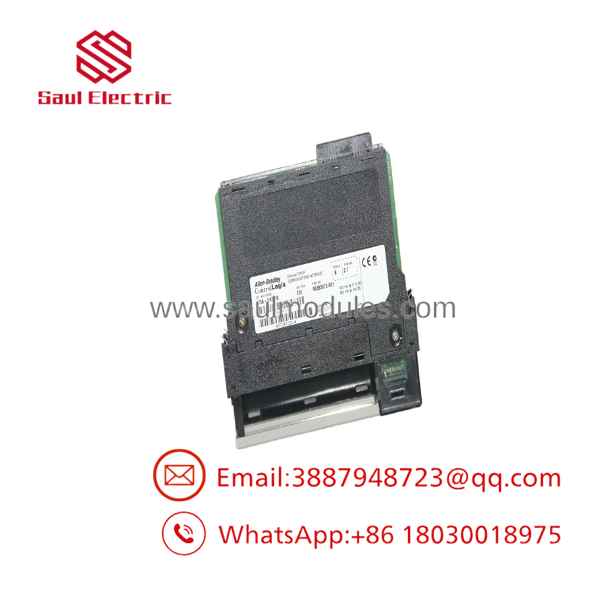
- 1756-ENET
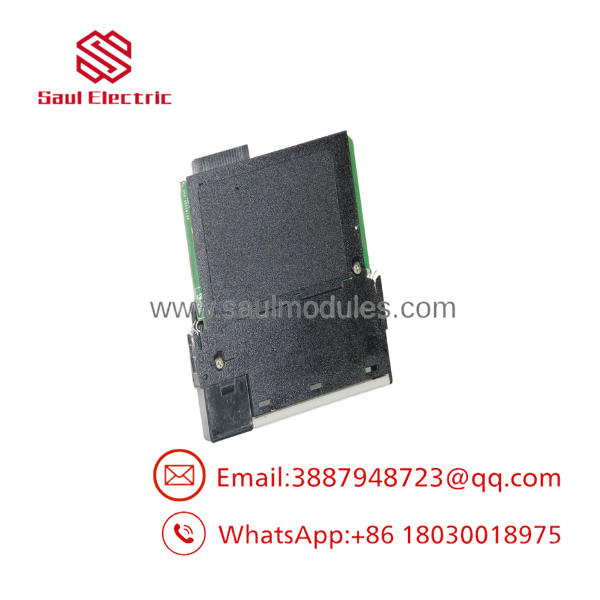
- 1756-ENET
Transparency SOP: Quality Assurance & Testing
We don’t just ship boxes; we test them on actual Allen-Bradley ControlLogix racks.
- Inbound Inspection
- Verify Allen-Bradley label, catalog number, and hardware revision.
- Inspect Ethernet connector, AUI port, and backplane contacts.
- Check housing condition and signs of unauthorized repair.
- Live Rack Testing
- Install module into a ControlLogix chassis.
- Verify recognition through RSLogix 5000.
- Configure Ethernet communication parameters.
- Confirm network communication with a test workstation.
- Electrical Parameter Checks
- Measure backplane current consumption.
- Verify Ethernet link activity.
- Check diagnostic LED operation.
- Firmware Verification
- Record firmware revision.
- Confirm compatibility with existing ControlLogix projects.
- Verify module identity information.
- Final QC & Anti-static Packaging
- Complete communication testing.
- Protect Ethernet and backplane connectors.
- Package using anti-static materials.
The Veteran’s Tech Trap Guide
⚠️ Do not expect modern Ethernet performance from a 1756-ENET. This module was designed for an earlier ControlLogix generation. Heavy HMI traffic, historians, and large data transfers can expose its limits.
❗ Record the IP address before replacement. Older installations often have undocumented network settings. Losing the original configuration creates unnecessary downtime.
⚠️ Check firmware compatibility carefully. A module can physically install but still fail to communicate with newer RSLogix 5000 projects.
⚠️ Do not overlook the Ethernet cable. Old installations often use aging cables, hubs, or unmanaged network equipment that create intermittent faults.
⚠️ Verify chassis compatibility. Confirm the ControlLogix chassis series and power supply arrangement before installation.
Take a screenshot of the RSLinx communication path before pulling the module. Trust me. Rebuilding old Ethernet routing information during a shutdown is painful.
Frequently Asked Questions (FAQ)
Q1. What is the Allen-Bradley 1756-ENET?
The 1756-ENET is a ControlLogix Ethernet communication module used for EtherNet/IP communication, programming access, and data exchange between ControlLogix systems and Ethernet devices.
Q2. Is the 1756-ENET still manufactured?
No. The 1756-ENET is a legacy ControlLogix Ethernet module. Most replacement projects move toward newer modules such as the 1756-EN2T or 1756-EN2TR depending on system requirements.
Q3. Can the 1756-ENET be replaced by a 1756-EN2T?
Often yes, but it is not always a direct plug-and-play replacement. Engineers should verify firmware compatibility, Studio 5000 project configuration, IP settings, and communication requirements before replacement.
Q4. Does the 1756-ENET support EtherNet/IP?
Yes. The module supports EtherNet/IP communication for ControlLogix systems.
Q5. Can the 1756-ENET communicate with remote ControlLogix racks?
Yes, within the limitations of its communication capacity and network design. Modern systems typically use newer Ethernet bridge modules for larger architectures.
Q6. Is the 1756-ENET hot-swappable?
ControlLogix supports some module replacement procedures, but this depends on the application and system configuration. Always follow site procedures before removing an energized communication module.
Q7. Why is a surplus 1756-ENET cheaper than buying directly from Rockwell Automation?
Because it is a discontinued legacy module. Available units usually come from industrial surplus inventory, plant spare stock, and equipment retirement programs. Testing history is more important than the physical appearance alone.
Q8. What warranty is typically provided?
Qualified automation suppliers commonly provide a 12-month warranty on tested new surplus and refurbished 1756-ENET modules. Warranty terms should be confirmed before purchase.

 Start Chat


