





Description
Product Introduction
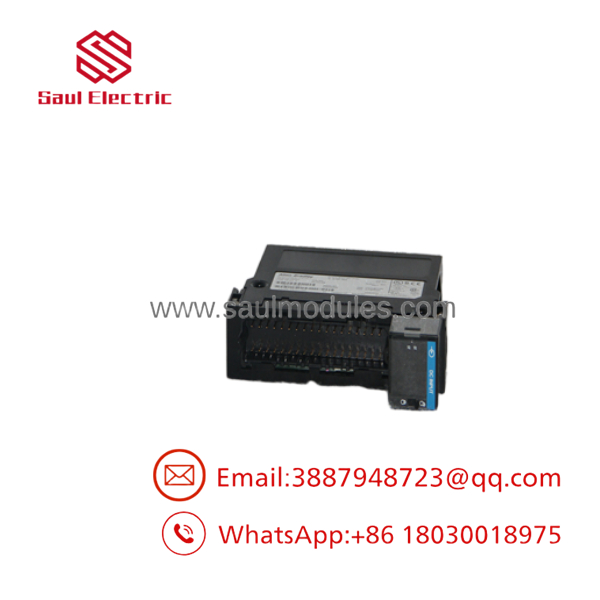
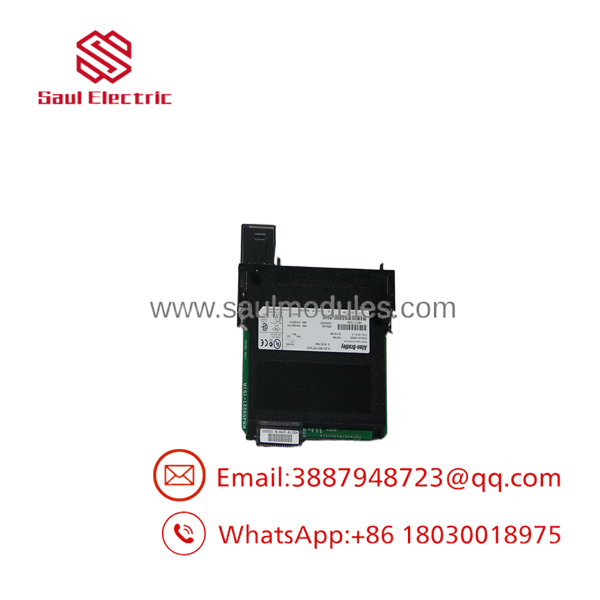
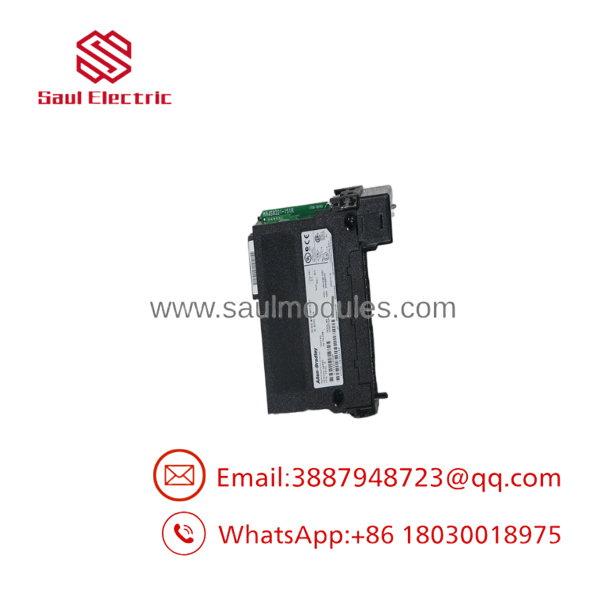
The Allen-Bradley 1756-IB16I is a ControlLogix 16-point isolated DC digital input module designed for applications where each field input requires individual electrical isolation. It accepts 10-30VDC signals from sensors, switches, transmitters with discrete outputs, and machine feedback devices through a 36-pin terminal interface.
In field installations, the 1756-IB16I is selected when a standard input card such as the 1756-IB16 does not provide enough channel separation. Individual isolation helps reduce troubleshooting problems caused by ground potential differences, separate power supplies, and electrically noisy environments. The trade-off is higher cost and additional wiring considerations.
Key Technical Specifications
| Parameter | Value |
|---|---|
| Manufacturer | Allen-Bradley / Rockwell Automation |
| Catalog Number | 1756-IB16I |
| Product Family | ControlLogix |
| Module Type | Isolated Digital DC Input Module |
| Number of Inputs | 16 individually isolated points |
| Input Voltage Range | 10-30VDC |
| Nominal Input Voltage | 12/24VDC |
| Input Type | DC Sink/Source Compatible |
| Input Isolation | 250V continuous between inputs |
| Terminal Block Type | 36-pin removable terminal block |
| Compatible RTB | 1756-TBNH / 1756-TBSH |
| Input Current | 2 mA minimum @ 10VDC / 10 mA maximum @ 30VDC |
| Maximum Off-State Current | 1.5 mA |
| Backplane Current Draw | 100 mA @ 5.1VDC / 3 mA @ 24VDC |
| Maximum Power Dissipation | 5 W @ 60°C |
| Slot Requirement | 1 ControlLogix chassis slot |
| Configuration Software | Studio 5000 Logix Designer |
| Firmware Available | v3.004 |
| Operating Temperature | 0°C to +60°C |
| Lifecycle Status | Active |
Application Scenarios & The “Trench” Experience
A common maintenance call:
“The PLC input is dropping, but the field device checks good.”
The technician measures voltage at the sensor. It looks normal.
The input card still faults.
Now the investigation moves deeper.
With standard digital input modules, shared commons and group isolation can hide problems. Multiple field devices powered from different supplies can introduce unexpected current paths, noise, or ground reference issues.
The 1756-IB16I exists for those situations.
Typical applications include:
- Automotive Manufacturing – Robotic cell feedback – The 1756-IB16I handles isolated position switches, clamp confirmations, and machine status signals where different equipment sections use separate power supplies.
- Process Automation – Instrument discrete monitoring – Used for valve limit switches, alarm contacts, and equipment status signals requiring electrical separation.
- Power Generation – Auxiliary equipment control – Provides isolated feedback from breakers, motors, and protection-related devices.
- Water Treatment – Pump station monitoring – Allows field devices located across different electrical zones to connect safely to ControlLogix systems.
- OEM Machinery – Multi-voltage machine panels – Helps machine builders avoid shared-input interference between independent circuits.
Field Case
A wastewater facility had repeated false pump status alarms.
The maintenance team replaced sensors and checked the field wiring several times.
The actual issue was a difference in ground potential between two equipment panels. The existing standard input module was receiving unstable signals caused by the shared reference arrangement.
The engineering team changed the affected signals to a 1756-IB16I isolated input module.
The false alarms stopped.
The lesson was simple: the sensor was not the problem. The input architecture was.
Transparency SOP: Quality Assurance & Testing
We don’t just ship boxes; we test them on actual Allen-Bradley ControlLogix racks.
- Inbound Inspection
- Verify Allen-Bradley label, catalog number, series, and hardware revision.
- Inspect the 36-pin terminal interface and backplane connector.
- Check for damaged pins, corrosion, or unauthorized repairs.
- Live Rack Testing
- Install module in a ControlLogix chassis.
- Verify module recognition through Studio 5000 Logix Designer.
- Apply simulated 10-30VDC signals to all 16 channels.
- Confirm individual input status and controller tag updates.
- Electrical Parameter Checks
- Verify input threshold response.
- Test channel isolation behavior.
- Measure backplane current consumption.
- Firmware Verification
- Record exact firmware revision.
- Confirm Add-On Profile compatibility.
- Verify module identity information.
- Final QC & Anti-static Packaging
- Complete channel-by-channel testing.
- Protect terminal and backplane connections.
- Package using anti-static materials.
The Veteran’s Tech Trap Guide
⚠️ Do not assume this is a direct replacement for 1756-IB16. The part numbers look similar, but the wiring arrangement and isolation design are different.
❗ Verify the terminal block before installation. The 1756- uses a 36-pin RTB arrangement. Reusing the wrong terminal block can create a wiring mistake.
⚠️ Do not ignore field power sources. Isolation helps prevent problems, but it does not correct incorrect polarity, bad grounding, or damaged field wiring.
⚠️ Check your Studio 5000 module definition. The controller project must match the correct module type. Selecting a standard IB16 profile for an will create configuration problems.
⚠️ Do not assume every sensor output is compatible. Verify whether the field device is sourcing, sinking, dry contact, or transistor output before wiring.
Take a photo of every wire on the terminal block before removal. Trust me. Isolated I/O panels are where memory and old drawings usually fail.
Frequently Asked Questions (FAQ)
Q1. What is the Allen-Bradley 1756-?
The is a ControlLogix 16-channel isolated DC digital input module used for reading 10-30VDC field signals with individual channel isolation.
Q2. What is the difference between 1756-IB16 and 1756-?
The main difference is isolation.
- 1756-IB16: Standard DC input module with grouped isolation.
- Individual isolation for each input channel.
The is typically chosen for electrically separated devices, multiple power sources, or noisy environments.
Q3. Can the 1756- accept 24VDC sensors?
Yes. The module supports common industrial 24VDC discrete devices within its 10-30VDC input range.
Q4. Does the 1756- support analog signals?
No. It is a digital input module. It only reads ON/OFF states. Analog voltage or current signals require modules such as 1756-IF or 1756-OF series modules.
Q5. Can I replace a 1756-IB16 with a 1756-?
Usually yes from a control architecture perspective, but it is not a simple drop-in replacement. Wiring, terminal blocks, module configuration, and Studio 5000 settings must be reviewed.
Q6. Is the 1756- hot-swappable?
ControlLogix supports certain energized module replacement procedures, but the correct method depends on the chassis configuration and application. Follow site procedures before removing an installed module.
Q7. Why is a surplus 1756- cheaper than buying directly from Rockwell Automation?
Industrial surplus units usually come from excess inventory, plant spare stock, system upgrades, and equipment retirement programs. The key factor is inspection history and functional testing.
Q8. What warranty is typically provided?
Qualified automation suppliers commonly provide a 12-month warranty on tested new surplus and refurbished 1756- modules. Rockwell Automation lists a standard one-year warranty period for this product.

 Start Chat


