





Description
Product Introduction & Engineering Value
Many production lines built in the late 2000s still rely on the CompactLogix 1769 platform because it delivers dependable control performance without requiring a complete system redesign. When a processor fails, replacing it with the same catalog number is often the quickest way to restore production while preserving the validated application.
The Allen-Bradley 1769-L31 provides 512 KB of user memory and supports up to 16 Compact I/O modules distributed across three I/O banks. Its dual serial communication ports allow integration with HMIs, legacy PLCs, drives, and serial field devices commonly found in existing automation systems.
Technical Specifications
| Specification | Value |
|---|---|
| Manufacturer | Allen-Bradley / Rockwell Automation |
| Catalog Number | 1769-L31 |
| Controller Family | CompactLogix 1769 |
| Controller Type | PLC Processor |
| User Memory | 512 KB |
| Nonvolatile Memory | 1784-CF64 or 1784-CF128 CompactFlash Card |
| Communication Port CH0 | Isolated RS-232 (DF1, DH-485, ASCII) |
| Communication Port CH1 | Non-isolated RS-232 (DF1, DH-485) |
| Maximum Communication Speed | 38.4 kbps |
| Maximum Local I/O Modules | 16 |
| Maximum I/O Banks | 3 |
| Backplane Current Draw | 330 mA @ 5V DC; 40 mA @ 24V DC |
| Power Dissipation | 2.61 W |
| Backup Battery | 1769-BA |
| Power Supply Distance Rating | Maximum four slot positions from the power supply |
| Approximate Weight | 0.30 kg (0.66 lb) |
Field Application & The “Trench” Experience
A corrugated box manufacturing plant experienced recurring production interruptions after its CompactLogix processor began reporting intermittent memory faults during startup. Initial troubleshooting focused on the power supply and I/O modules, but diagnostics consistently pointed back to the CPU.
After installing a tested 1769-L31 and restoring the archived control program from CompactFlash, the maintenance team verified serial communications with the HMI and barcode scanner before restarting production. The machine resumed operation without modifying the ladder logic or replacing any field wiring.
Typical applications include:
- Automated pallet conveyor sequencing with multiple Compact I/O racks.
- Batch mixing systems requiring coordinated digital and analog control.
- Material handling equipment integrating barcode readers through serial communication.
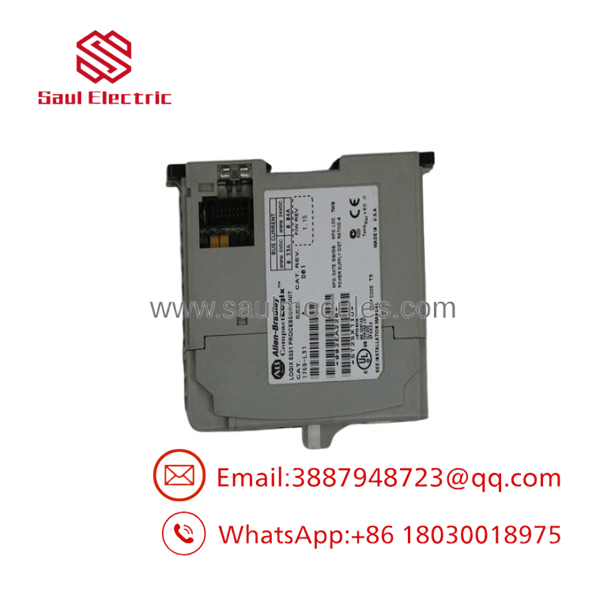
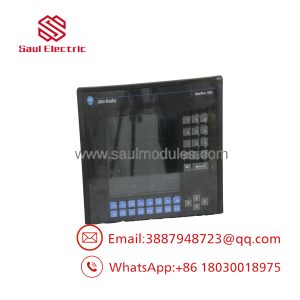
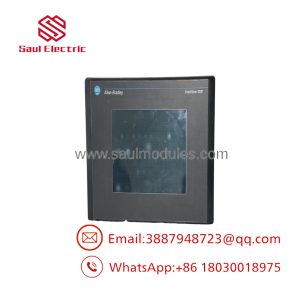
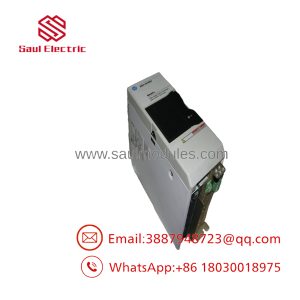
- 1769-L31
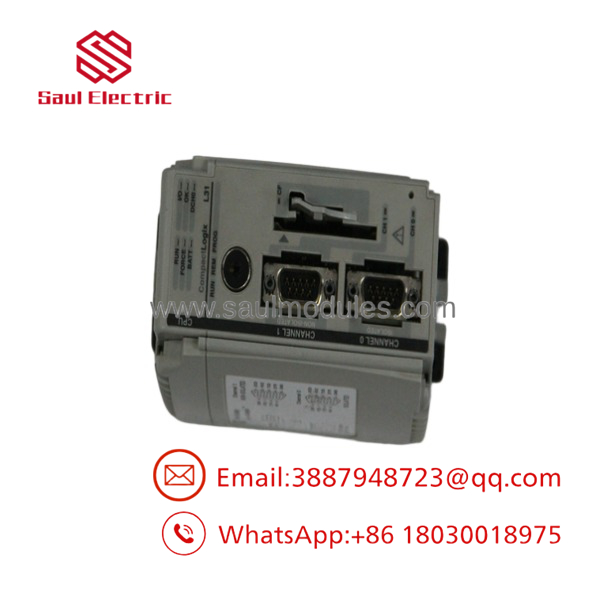
- 1769-L31
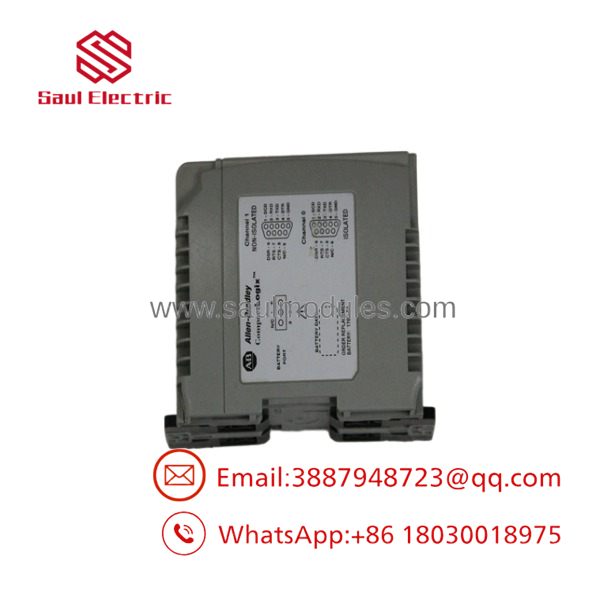
- 1769-L31
Transparency SOP: QA & Testing
Before shipment, every 1769-L31 processor completes a documented verification process:
- Inspect the housing, communication ports, CompactFlash slot, and backplane connector.
- Verify the catalog number, hardware revision, and manufacturer identification.
- Install the controller in a certified CompactLogix test chassis.
- Confirm successful startup, processor diagnostics, and memory retention.
- Test both RS-232 communication ports using supported protocols.
- Record all inspection and functional test results before inventory release.
For New Surplus inventory, the inspection confirms unused physical condition. Refurbished controllers additionally undergo extended functional testing and burn-in verification.
The Veteran’s Tech Trap Guide
⚠️ Firmware Revision Comes First
Never assume two 1769-L31 controllers share the same firmware. An application created under one firmware revision may require conversion before it can be downloaded to another processor.
⚠️ Don’t Ignore the Battery
The 1769-BA battery maintains controller memory. Installing a replacement CPU with a depleted battery can create unexpected startup issues after power interruptions.
PRO TIP: If the controller uses a CompactFlash card for automatic program loading, verify both the firmware revision and the contents of the card before energizing the replacement processor. A mismatched CompactFlash image can overwrite a working application during startup. Community experience also highlights the importance of using properly formatted and compatible CompactFlash media with this controller family.
Dynamic FAQ
Q1. What is the memory capacity of the 1769-L31?
The controller provides 512 KB of user memory and supports 1784-CF64 or 1784-CF128 CompactFlash cards for nonvolatile storage.
Q2. How many I/O modules can the 1769-L31 support?
It supports up to 16 Compact I/O modules distributed across three I/O banks, depending on the system configuration.
Q3. Which communication protocols are available?
The controller supports DF1, DH-485, and ASCII communication through its serial interfaces, with CH0 providing electrical isolation and CH1 operating as a non-isolated RS-232 port.
Q4. Can a failed 1769-L31 be replaced without modifying the PLC program?
Generally, yes. If the replacement controller uses a compatible firmware revision and the original project is available, the existing application can usually be restored without changing the machine logic.
Q5. How is New Surplus inventory authenticated?
Each processor undergoes catalog verification, visual inspection, startup diagnostics, communication testing, memory verification, and backplane interface testing before shipment.
Q6. What should engineers verify before commissioning a replacement CPU?
Confirm the firmware revision, battery condition, CompactFlash contents (if used), controller project backup, communication settings, and I/O configuration before returning the equipment to service.

 Start Chat


