





Description
Product Introduction & Engineering Value
When an automation project includes a mixture of AC and DC field devices, selecting the wrong output technology can complicate panel design. A transistor output module may work perfectly for DC loads but cannot directly switch many AC circuits.
The 1769-OW16 solves that problem by using sixteen electromechanical relay outputs. Because the contacts are electrically isolated from the PLC electronics, the module can control a broad range of AC and DC loads, making it a practical choice for machine upgrades, retrofit projects, and mixed-voltage control panels.
Technical Specifications
| Specification | Value |
|---|---|
| Manufacturer | Allen-Bradley / Rockwell Automation |
| Catalog Number | 1769-OW16 |
| Product Family | 1769 Compact I/O |
| Module Type | Relay Contact Output Module |
| Number of Outputs | 16 Normally Open Relay Outputs |
| Output Groups | 2 isolated groups (8 outputs per group) |
| Operating Voltage | 5–265V AC / 5–125V DC |
| Maximum Continuous Current per Point | 2.5 A |
| Maximum Continuous Current per Common | 10 A |
| Maximum Continuous Current per Module | 20 A |
| Turn-On Delay | 10 ms |
| Turn-Off Delay | 10 ms |
| Bus Current Draw | 205 mA @ 5V DC, 180 mA @ 24V DC |
| Isolation | Output-to-bus and group-to-group isolation |
| Mounting | DIN Rail or Panel |
| Approximate Dimensions | 118 × 52.5 × 87 mm |
| Approximate Weight | 450 g (0.99 lb) |
Field Application & The “Trench” Experience
A food processing facility upgraded an aging packaging machine that originally used relay-based outputs to operate contactors, stack lights, and pneumatic valve solenoids. The engineering team initially selected a transistor output module but quickly discovered several AC-operated devices required additional interface relays.
Replacing the module with a 1769-OW16 simplified the wiring. The relay contacts directly switched both AC and DC loads, eliminating unnecessary interface components while preserving the original machine logic. The retrofit finished during a scheduled maintenance window without requiring software modifications.
Typical application scenarios include:
- Carton packaging machines controlling AC contactors and pneumatic valve manifolds.
- Water treatment pump stations switching motor starter control circuits.
- Material handling conveyors operating stack lights, warning alarms, and relay-controlled diverters.
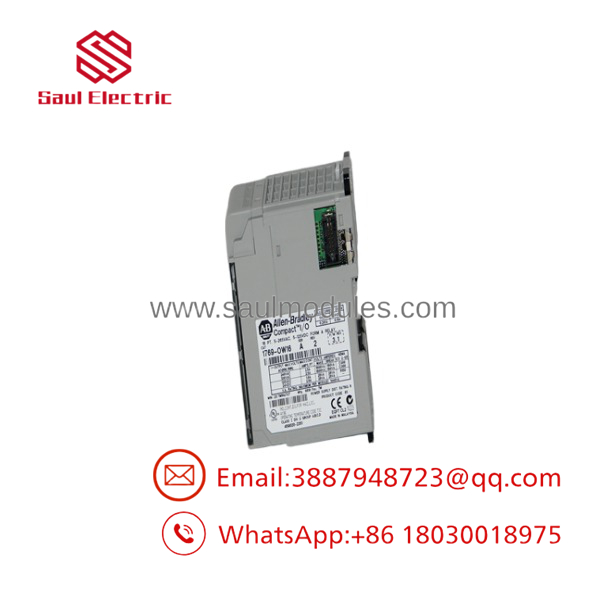
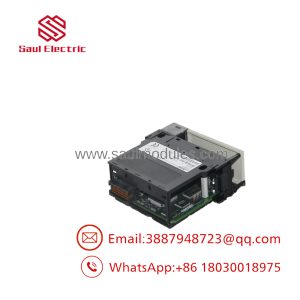
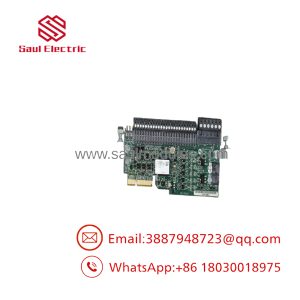
- 1769-OW16
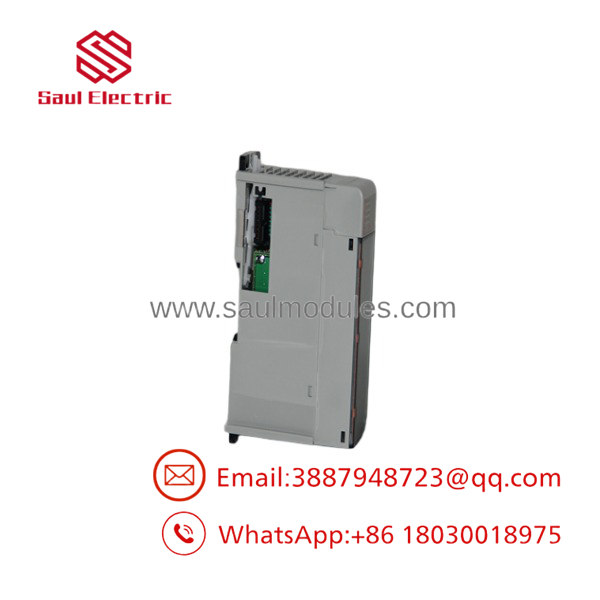
- 1769-OW16
Transparency SOP: QA & Testing
Every 1769-OW16 undergoes a documented inspection before shipment.
- Verify the catalog number, hardware revision, and manufacturer markings.
- Inspect relay terminals, housing, and Compact I/O backplane connector.
- Install the module in a CompactLogix test chassis.
- Exercise all sixteen relay outputs using calibrated AC and DC test loads.
- Measure contact operation, response time, and controller communication.
- Record inspection results before classifying the unit as New Surplus or Refurbished.
The Veteran’s Tech Trap Guide
⚠️ Relay Contacts Have a Mechanical Service Life
Unlike transistor outputs, relay contacts eventually wear after repeated switching. Applications with rapid cycling should evaluate the expected switching frequency before selecting this module.
⚠️ Protect Inductive Loads
Driving contactors, relays, or solenoid valves without surge suppression shortens relay contact life. Install RC snubbers for AC loads or flyback diodes on DC inductive loads whenever appropriate. Rockwell specifically recommends surge suppression to extend relay contact life.
PRO TIP: Don’t size the module only by the current of an individual output. Also verify the 10 A per common and 20 A per module limits. Systems with many energized outputs can exceed the common or module rating long before any single relay reaches its maximum current.
Dynamic FAQ
Q1. What types of loads can the 1769- control?
The module switches both AC and DC loads, supporting operating voltages from 5–265V AC and 5–125V DC, making it suitable for contactors, relays, indicator lamps, solenoids, and similar field devices.
Q2. Is the 1769- a relay module or a transistor module?
It is an electromechanical relay output module with sixteen normally open relay contacts. It is intended for applications where mixed-voltage or isolated switching is required.
Q3. Can the module switch both AC and DC outputs simultaneously?
Yes. Since each output uses relay contacts, AC and DC circuits may be used on the module, provided wiring follows the group isolation requirements and electrical ratings published by Rockwell Automation.
Q4. Is the 1769- compatible with CompactLogix controllers?
Yes. It is designed for the 1769 Compact I/O platform and is commonly installed with CompactLogix controllers and supported MicroLogix 1500 systems.
Q5. How is New Surplus inventory authenticated?
Every module is verified for catalog number, relay operation, terminal condition, backplane communication, and output functionality using both AC and DC test loads before shipment.
Q6. What is the most common cause of relay output failure?
The most common causes are excessive switching of inductive loads without surge suppression, exceeding the current rating of a common output group, and contact wear caused by frequent high-current switching. Proper load protection and adherence to the published current limits can significantly extend service life.

 Start Chat


