





Description
Product Introduction
The Allen-Bradley 1771-ASB is a Universal Remote I/O (RIO) adapter module engineered for 1771 I/O chassis platforms. Placed in the far-left slot of a 1771 chassis, it acts as the communication link between local discrete and analog I/O modules and a remote master processor (such as a PLC-5, SLC 5/02 through 5/05 with RIO scanner, or ControlLogix 1756-RIO scanner).
Utilizing Allen-Bradley’s classic twinaxial “Blue Hose” cable architecture, the 1771-ASB converts backplane I/O signals into deterministic serial RIO network traffic. Supporting baud rates up to 230.4 Kbps and flexible rack-addressing options, it allows legacy plant architectures to extend I/O drops thousands of feet across harsh manufacturing environments without moving main CPU hardware.
Key Technical Specifications
| Parameter | Value |
| Network Protocol | Allen-Bradley Universal Remote I/O (RIO) |
| Communication Cable | Belden 9463 (Twinaxial “Blue Hose” Cable) |
| Supported Baud Rates | 57.6 Kbps (up to 10,000 ft) | 115.2 Kbps (up to 5,000 ft) | 230.4 Kbps (up to 2,500 ft) |
| Addressing Modes | 1/2-Slot, 1-Slot, and 2-Slot Addressing |
| Rack Sizing Support | Supports 1/4-Rack, 1/2-Rack, 3/4-Rack, and Full-Rack Assignments |
| Chassis Location | Left-Most Dedicated Adapter Slot in 1771 Chassis (e.g., 1771-A1B, A2B, A3B, A4B) |
| Backplane Current Draw | 1.0 A @ 5.1VDC |
| DIP Switch Configurations | Baud rate, Primary/Complementary Rack, Starting Rack Address, Hold Last State |
| Wiring Terminal | 1771-P4 6-Pin Field Wiring Arm |
| Compatibility | PLC-2, PLC-3, PLC-5, SLC 500 (1747-SN), ControlLogix (1756-RIO) |
Application Scenarios & The “Trench” Experience
The Trench Story
It is 2:00 AM in an aging paper mill. A 1771-A3B chassis housing critical 120VAC solenoids loses all communication to the main PLC-5 processor over a long twinax blue-hose run. The adapter status LED flashes red, indicating an internal firmware/communication failure on the legacy 1771-ASB adapter. Modernizing the entire 16-slot 1771 rack to ControlLogix Ethernet during a night shift is out of the question. Dropping in a tested replacement 1771-ASB module, matching the 8-position DIP switch banks (SW1 and SW2) to set the exact rack address and baud rate, and snapping the 1771-P4 arm back into place restores remote I/O scanning in less than fifteen minutes.
Specific Applications
- Remote Motor Control Centers (MCCs): Transmits discrete start/stop commands and run status from remote electrical rooms to central control rooms.
- Legacy Automotive Stamping Line Upgrades: Connects existing 1771 I/O chassis drops to modern ControlLogix PACs using 1756-RIO scanner modules.
- Chemical Batching Tanks: Routes analog temperature and pressure values from field-mounted 1771-IFE cards back to a central PLC-5 controller over shielded blue hose.
- Large Water Treatment Facilities: Spans long physical distances between filter galleries and main PLC control panels using 57.6 Kbps low-speed RIO runs.
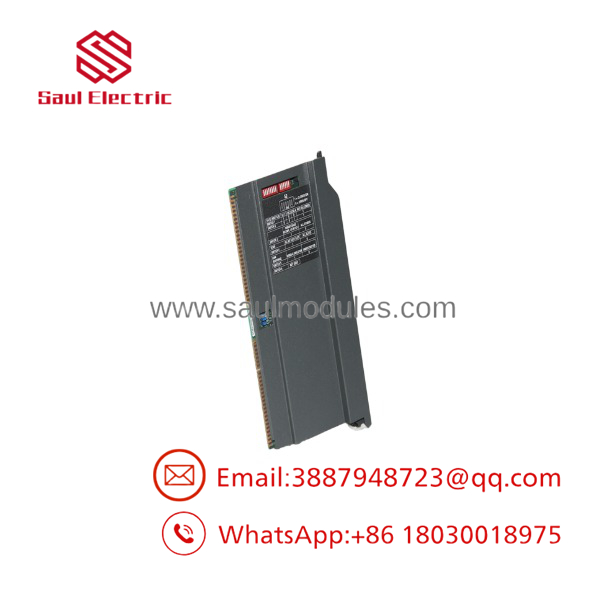
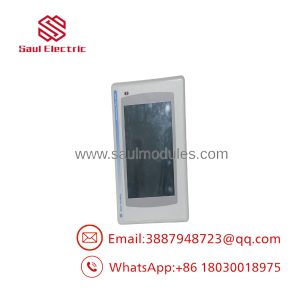
- 1771-ASB
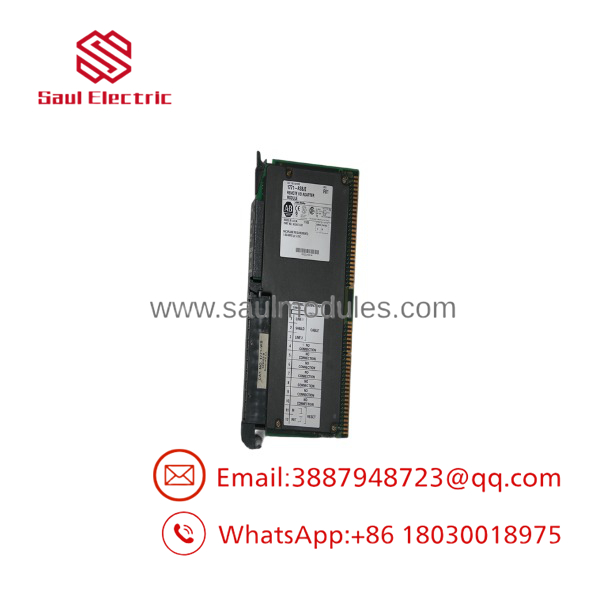
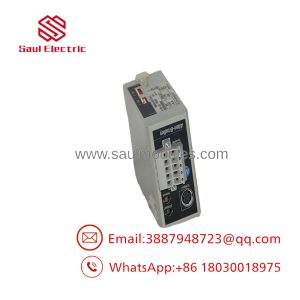
- 1771-ASB
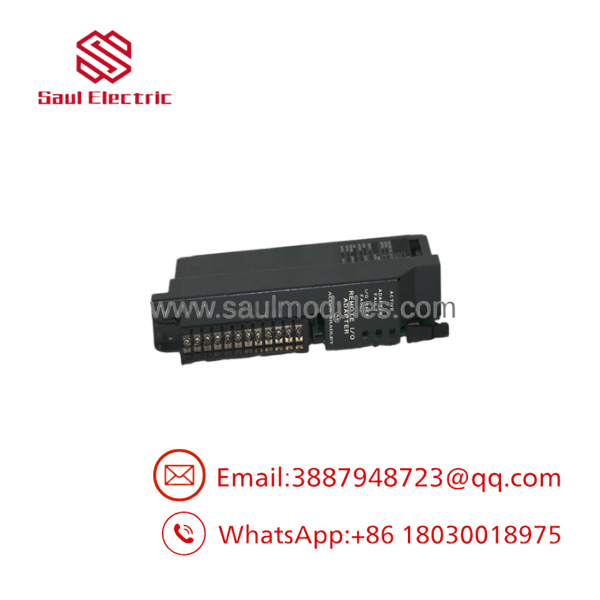
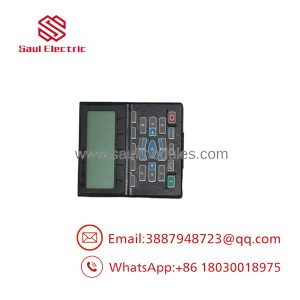
- 1771-ASB
Transparency SOP: Quality Assurance & Testing
Every 1771-ASB adapter module undergoes rigorous hardware and network bench testing prior to shipment:
- Physical & Card-Edge Inspection: We clean and inspect backplane gold card-edge fingers, check enclosure side plastic guide rails, and verify that DIP switches move smoothly with clean contact latching.
- Backplane & Power Test: The module is installed into a 1771-A2B chassis with a 1771-P7 power supply to confirm logic power distribution and backplane rail health.
- Active RIO Network Polling Test: We connect the adapter to an active Remote I/O scanner (PLC-5/40 or 1756-RIO) over Belden 9463 cable, cycling through 57.6k, 115.2k, and 230.4k baud configurations.
- I/O Block Transfer Verification: The module is tested with high-density discrete cards and analog 1771-IFE/OFE modules to verify that block transfers (BTR/BTW) execute without checksum errors.
- DIP Switch Register Audit: We verify that every DIP switch position accurately alters rack size, starting slot, baud rate, and hold-last-state behavior in controller registers.
The Veteran’s Tech Trap Guide
- ⚠️ Match DIP Switches SW1 & SW2 Before Power-Up: The 1771-ASB reads its hardware DIP switches (SW1 and SW2 on the board) ONLY during power-up. Changing DIP switch positions while power is applied will have no effect until you cycle 120VAC power to the 1771 chassis supply.
- ❗ Mind the 82-Ohm / 150-Ohm Termination Resistors: A Universal RIO network line MUST have termination resistors installed across the line ends (terminals 1 and 2 on the 1771-P4 arm). Use 150 \Omega resistors for 57.6k and 115.2k baud, or 82 \Omega resistors for 230.4k baud runs. Missing termination resistors cause signal reflections and intermittent “Rack Fault” indicators.
- ⚠️ Pay Attention to Series Differences (Series A/B vs. Series E): Newer series (like Series E and N) support expanded features such as 230.4k baud rates and extended block transfers. If you are replacing a Series E unit, using an older Series A or B unit might cause block transfer timing failures on newer analog cards.
- ❗ Do Not Connect 120VAC Power to the Blue Hose Terminal: The 1771-P4 field wiring arm on the 1771-ASB is strictly for low-voltage signal wiring (Blue, Shield, Clear). Accidentally landing 120VAC supply wires on the adapter terminal block will instantly destroy the serial transceiver ICs.
Frequently Asked Questions
Q: What is the maximum distance a 1771-ASB can be located from the main processor?
Maximum distance depends on the configured baud rate over Belden 9463 cable:
- 57.6 Kbps: Up to 10,000 feet (3,048 meters)
- 115.2 Kbps: Up to 5,000 feet (1,524 meters)
- 230.4 Kbps: Up to 2,500 feet (762 meters)
Q: What do the status LEDs on the front panel of the 1771-ASB indicate?
- ACTIVE (Green): Module is powered and actively communicating with the RIO scanner.
- ADAPTER FAULT (Red): Internal module self-test failure or hardware fault.
- I/O RACK FAULT (Red): Communication loss on the RIO link or backplane communication error with a chassis module.
Q: What wiring terminal block is used with the 1771-ASB?
The 1771-ASB uses the 1771-P4 field wiring arm, which plugs directly into the front connector of the adapter module.
Q: Can I control a 1771-ASB chassis using a modern ControlLogix PAC?
Yes. You can control 1771-ASB drops from a ControlLogix chassis using a 1756-RIO scanner module or via phased migration adapters (such as ProSoft Technology AN-X2-AB-DHRIO gateways).
Q: What is the difference between the 1771-ASB and the older 1771-AS adapter?
The 1771-AS is an older, legacy adapter limited to basic 57.6k baud rates and fewer rack addressing modes. The 1771-ASB is the upgraded Universal Remote I/O adapter supporting higher baud rates (up to 230.4k), block transfers, and flexible rack configurations (1/2-rack, 1/4-rack addressing).
Q: What warranty comes with your surplus or refurbished 1771-ASB modules?
Every 1771-ASB adapter module we supply includes our comprehensive 12-month replacement warranty. If a hardware fault occurs under normal operating conditions within 365 days of purchase, we replace the unit immediately from stock or issue a full refund.

 Start Chat


