





Description
Product Introduction & Engineering Value
As ControlNet installations expand across production lines, simply adding more coaxial cable is rarely the correct solution. Signal attenuation, network topology limitations, and physical distance eventually require repeater infrastructure to preserve network integrity.
The Allen-Bradley 1786-RPA is the foundation of the 1786 ControlNet repeater family. Rather than functioning as a standalone repeater, it supplies power and mechanical support for compatible repeater modules such as fiber and coax repeaters. This modular design allows engineers to extend ControlNet networks without modifying controller configurations or application programs. The module operates from a 24V DC power source and is designed for industrial environments requiring deterministic ControlNet communications.
Technical Specifications
| Specification | Value |
|---|---|
| Manufacturer | Allen-Bradley / Rockwell Automation |
| Catalog Number | 1786-RPA |
| Product Type | ControlNet Modular Repeater Adapter |
| Network | ControlNet |
| Input Voltage | 18…36V DC (24V DC nominal) |
| Maximum Input Current | 700 mA @ 24V DC |
| Maximum Power Consumption | 16.8 W |
| Maximum Power Dissipation | 8.8 W |
| Backplane Output | 1.6 A @ 5V DC |
| Number of Ports | One repeater module connection |
| Status Indicators | Power-Up and Repeater Status LEDs |
| Mounting | DIN Rail |
| Operating Temperature | 0°C to 60°C (32°F to 140°F) |
| Relative Humidity | 5–95%, non-condensing |
| Product Status | Discontinued (Engineering Replacement) |
Field Application & The “Trench” Experience
During the expansion of a vehicle assembly plant, engineers added a new robotic welding cell approximately 180 meters from the existing ControlNet backbone. Initial communication tests appeared successful, but intermittent network media errors began appearing whenever production reached full speed.
The problem was not the controller or the coaxial cable. The network exceeded its recommended segment design. By installing a 1786-RPA together with the appropriate repeater module, the engineering team divided the network into properly regenerated segments. Network retries disappeared, scheduled ControlNet traffic stabilized, and no controller program changes were required.
Typical applications include:
- Automotive body welding cells requiring extended ControlNet segments.
- Distributed conveyor systems spanning multiple production buildings.
- Large process plants connecting remote I/O cabinets through ControlNet repeater architectures.
Transparency SOP: QA & Testing
Before shipment, each 1786-RPA undergoes a documented inspection process.
- Confirm the catalog number and hardware revision.
- Inspect the DIN rail latch, terminal block, repeater connector, and housing.
- Apply a regulated 24V DC supply and verify input current.
- Install a compatible repeater module to confirm proper backplane power delivery.
- Verify Power and Repeater Status LED operation.
- Record electrical measurements and functional results before releasing the unit as New Surplus or Refurbished.
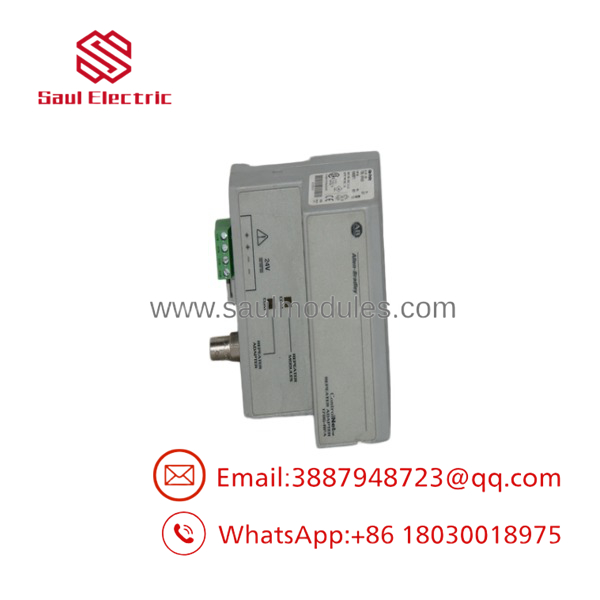
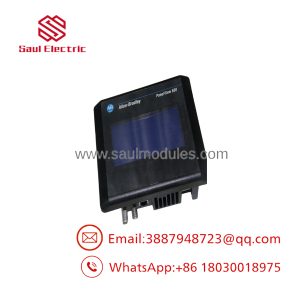
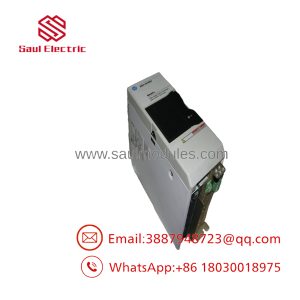
- 1786-RPA
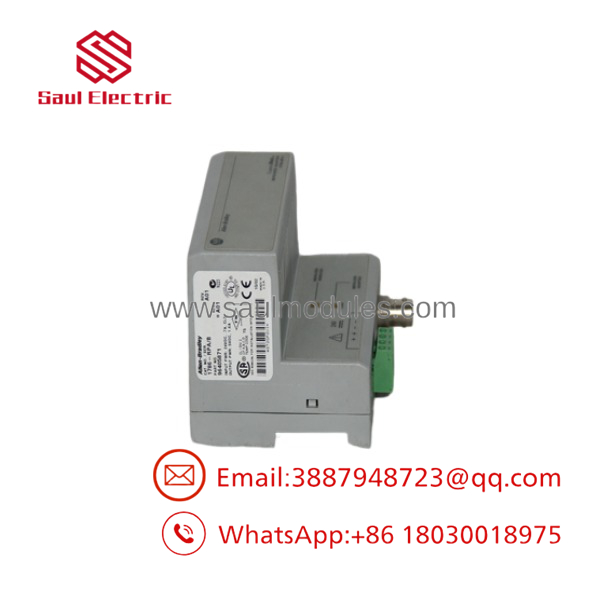
- 1786-RPA
The Veteran’s Tech Trap Guide
⚠️ The 1786-RPA Is Not a Complete Repeater
One of the most common purchasing mistakes is ordering only the 1786-RPA. The adapter requires a compatible repeater module (such as fiber or coax repeater models) before it can extend a ControlNet network.
⚠️ Provide a Stable 24V DC Supply
Network communication problems are sometimes traced to low supply voltage rather than media faults. Measure the input voltage at the adapter under load, especially in large control panels with long power distribution runs.
PRO TIP: Before replacing any repeater hardware, verify the ControlNet cable, terminators, taps, and network media layout. Many reported “repeater failures” ultimately turn out to be damaged coax connectors or incorrect network topology rather than a defective 1786-RPA.
Dynamic FAQ
Q1. What is the purpose of the 1786-RPA?
The 1786-RPA is a ControlNet Modular Repeater Adapter that provides power and the mounting interface for compatible ControlNet repeater modules, allowing engineers to extend ControlNet network infrastructure.
Q2. Does the 1786-RPA function by itself?
No. The adapter must be paired with a compatible 1786 repeater module to create a functioning ControlNet repeater assembly.
Q3. What power supply does the adapter require?
The module operates from a 24V DC nominal input, with an allowable operating range of 18–36V DC.
Q4. Is the 1786-RPA still available from Rockwell Automation?
No. Rockwell Automation lists the 1786-RPA as discontinued with an Engineering Replacement lifecycle status. The discontinuation became effective on December 31, 2025.
Q5. How is New Surplus inventory verified?
Each unit is inspected for mechanical integrity, powered using a regulated 24V DC supply, tested with a compatible repeater module, and verified for LED operation and backplane output before shipment.
Q6. What causes the most common installation problems?
The most frequent issues include ordering only the adapter without the required repeater module, incorrect 24V DC wiring, improper ControlNet media layout, or damaged coaxial taps. Verifying the complete repeater assembly and network topology typically resolves these issues before hardware replacement becomes necessary.

 Start Chat


