





Description
Product Introduction
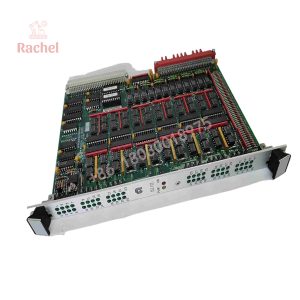
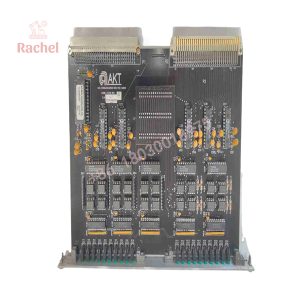
The Applied Materials 1080-01772 is a specialized PCI Mezzanine Card (PMC) / controller sub-assembly engineered for AMAT semiconductor wafer processing platforms. It integrates into local rack backplanes to process real-time feedback from chamber instrumentation, mass flow controllers, and RF plasma generators.
Designed to withstand the electrical noise environments of high-power plasma deposition and etch systems, this card delivers deterministic signal processing without bus latency. Unlike generic commercial mezzanine cards that overheat under continuous duty, its industrial-grade components maintain tight timing tolerances across demanding thermal cycles inside control cabinets.
Key Technical Specifications
| Parameter | Specification |
|---|---|
| Manufacturer | Applied Materials (AMAT) |
| Part Number | 1080-01772 |
| Form Factor | Standard PMC / Mezzanine Board Assembly |
| Bus Interface | High-Speed Parallel / Serial Backplane Connection |
| Functionality | Real-Time I/O Processing & Communication Interface |
| Operating Voltage | 3.3V DC / 5V DC (Sourced from Carrier Board) |
| Connector Type | High-Density Gold-Plated Multi-Pin Header Array |
| Operating Temperature | 0°C to 55°C (32°F to 131°F) |
| Compatibility | AMAT Endura, Centura, and Producer Tool Platforms |
Application Scenarios & The “Trench” Experience
A wafer fabrication line suffered an unpredicted cluster tool halt during a 300mm etch run. The central rack lost communication with the gas box controller because an aging mezzanine card failed due to thermal fatigue on its primary FPGA traces. Swapping in a pre-tested 1080-01772 replacement card re-established the backplane handshake instantly, clearing the fault log and saving a batch of high-value silicon wafers from scrapping.
- 300mm & 200mm Cluster Tools – Manages real-time data flow between the main chamber controller and sub-fab auxiliary racks.
- Plasma Etch Systems – Handles high-speed logic handshakes for RF match networks and gas delivery loops.
- Chemical Vapor Deposition (CVD) – Controls multi-channel valve timing and thermal ramp feedback during deposition cycles.
- Physical Vapor Deposition (PVD) – Maintains precise motion and bias interlocks during sputtering operations.
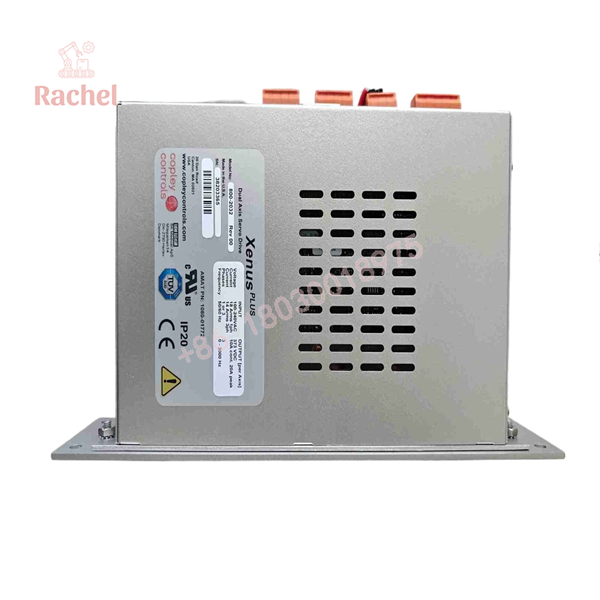
1080-01772
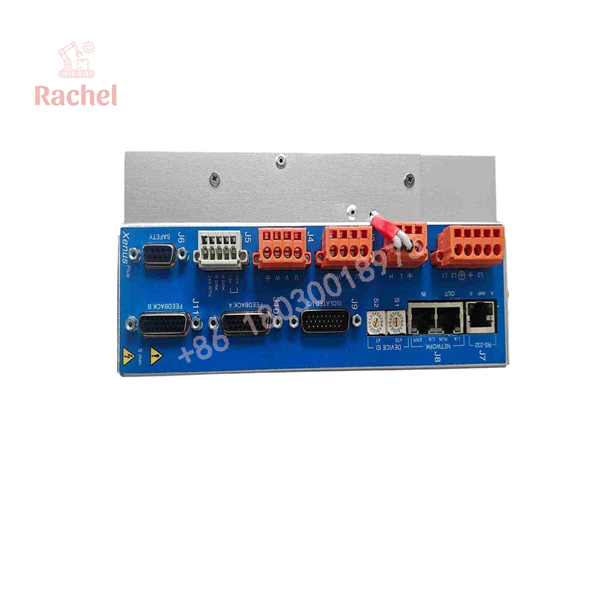
1080-01772
Transparency SOP: Quality Assurance & Testing
We do not just ship boxes; we bench-test precision electronics to ensure field reliability:
- Inbound Microscopic Inspection: Check edge connectors, surface-mount components, and solder joints for hairline fractures or oxidation.
- Backplane Impedance & Short Testing: Perform multi-point resistance checks across power rails to prevent bus short circuits.
- Power-On Logic Verification: Apply regulated DC power in a static-controlled fixture to monitor onboard voltage regulators and boot states.
- Communication Loopback Test: Verify data transmission across high-density connector pins using functional loopback routines.
- ESD Clean Packaging: Vacuum-seal the card inside anti-static shielding bags with desiccant packs for safe transit.
The Veteran’s Tech Trap Guide
- ⚠️ Observe Absolute ESD Protocols: The ICs on this board are highly sensitive to static discharge. Always wear a grounded wrist strap attached to a verified earth ground before removing the card from its anti-static bag.
- ❗ Verify Standoff Alignment: When mounting this PMC card onto its host carrier board, ensure all threaded standoffs align perfectly before applying downward pressure. Forcing the high-density connectors will bend or shear the pin array beneath the board.
- ⚠️ Check Host Carrier Firmware Revisions: In our field experience, installing a replacement card into a host board running outdated firmware can cause bus initialization errors. Cross-reference your system software release notes prior to powering up the rack.
- ❗ Inspect Board Guide Rails: Ensure control cabinet slide rails are free of debris. Alignment sags during rack insertion can score the PCB edge traces, resulting in intermittent ground faults.
Frequently Asked Questions (FAQ)
Q: Is the AMAT 1080-01772 a drop-in replacement for earlier board revision numbers?
A: Yes, as long as the base 1080-01772 part number matches your tool’s bill of materials. Always verify jumper configurations against your original card before installation.
Q: Does this card require standalone software installation?
A: No standalone OS installation is necessary. The board operates as a mezzanine slave hardware unit, receiving configuration files directly from the tool’s host computer upon system boot.
Q: What power rail does this module rely on?
A: It draws standard 3.3V and 5V DC power directly through the carrier board PCI/PMC bus interface connectors.
Q: What is the warranty coverage on this surplus board?
A: We provide a full 12-month replacement warranty from the date of delivery.
Q: How is the item packaged to prevent shipping damage?
A: Every unit is sealed in an ESD-shielded bag, wrapped in high-density foam, and packed in a rigid industrial shipping carton built for international freight.

 Start Chat


