





Description
Core Product Summary
The AutomationDirect F1-130DR is a DirectLOGIC DL105 programmable logic controller (PLC) with 10 DC digital inputs and 8 relay outputs. The integrated controller combines processing, power supply, and fixed I/O in one unit, making it relevant to machine-control systems designed around the DL105 platform.
The F1-130DR uses an AC power configuration and provides serial communication for programming and supported operator-interface connections. Its fixed-I/O design means additional I/O points cannot be added to the controller. The model is therefore most relevant to maintenance teams preserving an existing installation with a defined input/output arrangement. Before purchasing a replacement, compare the complete model number, supply requirements, terminal connections, relay-output ratings, and control-program requirements against the installed unit.
Key Technical Specifications
| Parameter | Specification |
|---|---|
| Manufacturer / brand | AutomationDirect |
| Model | F1-130DR |
| Product family | DirectLOGIC DL105 |
| Product type | Programmable logic controller |
| Digital inputs | 10-point DC |
| Outputs | 8-point relay |
| Power input | 85–132 VAC or 170–264 VAC; nominal 110/220 VAC |
| Maximum power consumption | 30 VA on AC input |
| Communication | Serial; RS-232 programming/operator-interface connection |
| Operator-interface protocol | K-Sequence |
| Maximum communication baud rate | 9,600 baud |
| I/O architecture | Fixed; non-expandable |
| Analog I/O | Not supported |
| Programming environment | DirectSOFT for Windows |
| Program memory | EEPROM for ladder logic |
Engineering Selection Highlights
- Fixed I/O configuration: The 10-input, 8-relay-output arrangement determines the controller’s available field connections. Confirm that it matches the existing machine’s I/O requirements.
- AC supply requirements: The controller supports separate 110 V and 220 V nominal AC ranges. Check the actual supply voltage before installation.
- Relay output design: Relay outputs can switch compatible AC or DC loads within their specified electrical limits. Check load current, voltage, and switching characteristics for each application.
- Serial communication: The controller supports serial communication using K-Sequence at up to 9,600 baud. Confirm that the programming device or operator interface supports this connection and protocol.
- Non-expandable hardware: The fixed-I/O architecture does not support adding I/O points. Applications requiring additional channels need a different control-system design.
- Program retention: Ladder logic is stored in EEPROM. Preserve the available program and configuration records before performing replacement or commissioning work.
System Compatibility & Integration Requirements
| Item / Dependency | Compatibility or Requirement | Practical Note |
|---|---|---|
| PLC family | DirectLOGIC DL105 | Match the full F1-130DR model designation. |
| Power supply | 85–132 VAC or 170–264 VAC | Select the range appropriate to the installed supply. |
| Input circuits | 10 DC digital inputs | Check field-device voltage and input wiring configuration. |
| Output circuits | 8 relay outputs | Check the individual load ratings and output wiring. |
| Programming connection | Serial communication | Confirm the required cable, connector, and programming interface. |
| Communication protocol | K-Sequence | Confirm compatibility with the connected operator interface. |
| Programming software | DirectSOFT for Windows | Confirm the available software version and connection hardware. |
| I/O expansion | Not supported | Additional I/O requires a different PLC architecture. |
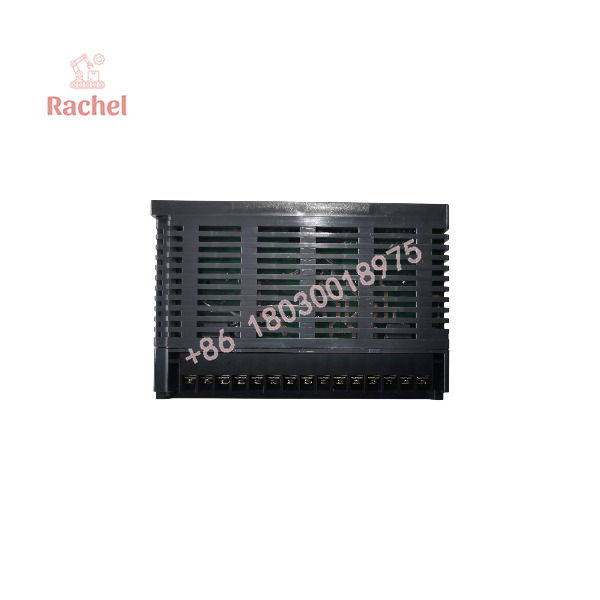
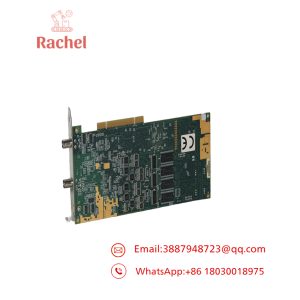
F1-130DR
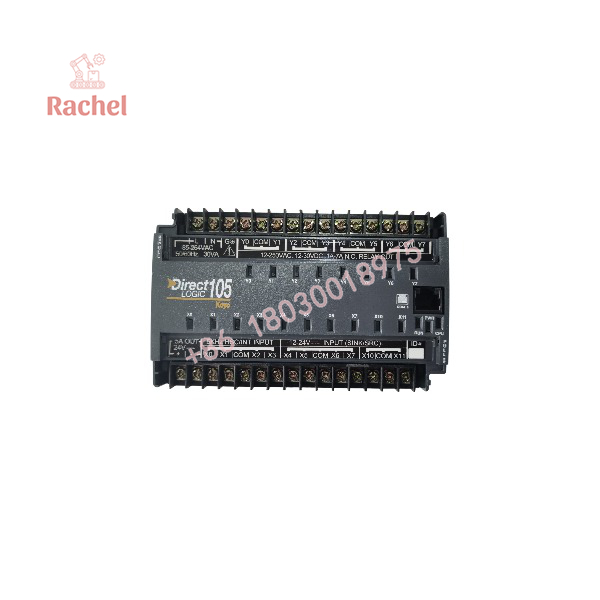
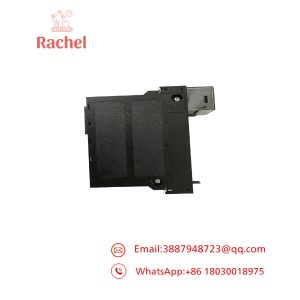
F1-130DR
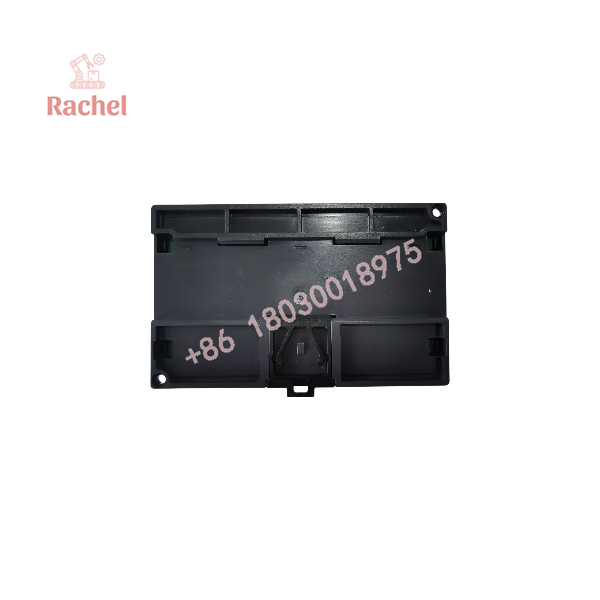
F1-130DR
Dimensions, Mounting & Connection Notes
The F1-130DR uses dedicated power and I/O terminal connections. Wiring should follow the applicable DL105 installation documentation.
Before installation:
- Verify the AC supply range on the unit’s identification label.
- Disconnect power before removing or reconnecting field wiring.
- Label the 10 DC inputs and 8 relay outputs before removing the existing controller.
- Confirm relay-output load voltage and current against the specified limits.
- Use appropriate suppression for inductive loads to reduce electrical transients at the relay contacts.
- Confirm the serial connection and programming method before attempting to transfer the control program.
The controller’s documented terminal-screw torque is 6 inch-ounces. Apply the specified torque using a suitable tool and follow the applicable wiring instructions.
Detailed Product Overview
Integrated PLC architecture
The F1-130DR combines the controller, power supply, and I/O in a single unit. This arrangement simplifies the hardware layout for a machine with a defined number of discrete signals, but it also limits future expansion. Unlike a modular PLC platform, the DL105 configuration does not allow additional I/O points to be installed as separate modules.
For maintenance engineers, this means the original hardware configuration is an important part of the replacement specification. A candidate controller must match not only the number of signals but also the electrical characteristics and connection arrangement.
Digital inputs and relay outputs
The controller provides 10 DC inputs and 8 relay outputs. These channels support discrete control logic, such as reading switch states and operating compatible contactors, indicators, or other control devices.
Relay outputs require careful load assessment. The permissible current depends on the applicable output rating and operating conditions, and inductive loads can produce electrical transients when switched. Appropriate suppression and circuit protection should be considered when designing or maintaining the output circuits.
The F1-130DR does not provide analog I/O. Applications requiring analog measurement or control therefore need additional equipment or a different PLC platform.
Programming and communications
The DL105 supports serial communication for programming and compatible operator interfaces using K-Sequence. Its documented communication rate is limited to 9,600 baud, so interface compatibility should be checked before connecting it to external equipment.
DirectSOFT for Windows is the associated programming environment. Before replacing a controller, preserve the available ladder-logic program and relevant configuration information. Program access and transfer depend on the condition of the existing unit and the available programming equipment.
Maintenance and replacement planning
The F1-130DR is listed in the manufacturer’s retired-products catalog. For equipment owners maintaining an installed DL105 system, the practical priority is to document the current configuration and establish the requirements for a suitable replacement.
Record the full model number, supply voltage, input and output wiring, communication setup, and program backup status. A replacement should be evaluated against these details rather than selected by physical appearance or I/O count alone.
Applications & System Role
The AutomationDirect F1-130DR serves as a compact machine controller in systems designed around the DirectLOGIC DL105 architecture.
Its 10 DC inputs accept discrete field signals, while the 8 relay outputs provide switching for compatible control loads. The controller executes its stored ladder-logic program to coordinate the connected devices according to the machine’s programmed sequence.
The serial connection supports programming and compatible operator-interface communication. However, the controller’s communication capabilities are limited: the documented DL105 configuration uses K-Sequence and does not provide general network connectivity or analog I/O.
This distinction matters when assessing an existing control cabinet. A machine that depends on analog measurements, expanded I/O, or a different communication protocol may require more than a like-for-like controller replacement. The existing program, wiring diagrams, and connected-device requirements should be reviewed before selecting replacement hardware.
Frequently Asked Questions
What is the AutomationDirect F1-130DR?
It is a DirectLOGIC DL105 programmable logic controller with 10 DC digital inputs and 8 relay outputs.
What power supply does the F1-130DR require?
It supports 85–132 VAC or 170–264 VAC, corresponding to nominal 110 V or 220 V AC supply configurations.
How many I/O points does it have?
The controller has 18 discrete points in total: 10 DC inputs and 8 relay outputs. Its I/O is fixed and cannot be expanded.
Does the F1-130DR support analog I/O?
No. The DL105 F1-130 configuration does not provide analog I/O.
What communication protocol does it use?
It supports serial communication using K-Sequence at up to 9,600 baud for programming and compatible operator-interface connections.
Which programming software does it use?
DirectSOFT for Windows is the associated programming environment. The required communication cable and software configuration should be checked before attempting to connect.
How is the ladder-logic program retained?
The ladder-logic program is stored in EEPROM nonvolatile memory. Other data-memory retention characteristics should be considered separately when planning a controller replacement.
What should be checked before replacing an F1-130DR?
Verify the complete model number, AC supply range, input wiring, relay-output loads, serial interface, programming access, and availability of the original control program.

 Start Chat


