





Description
Core Product Summary (Brand / Model / Key Attributes)
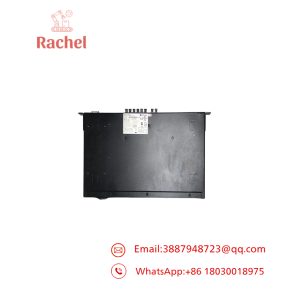
The ComNet FVR110M1 (commonly referenced as FVR110M) is a multimode optical fiber video receiver and data transceiver from the FVT/FVR110 series. It receives 10-bit digitally encoded EIA RS-250C quality video and supports bi-directional data transmission over a single multimode optical fiber.
The unit is designed for CCTV and surveillance applications. It is compatible with major camera manufacturers and supports RS-232, RS-422, 2-wire or 4-wire RS-485 data interfaces, as well as up-the-coax protocols including Panasonic Proteus, Pelco Coaxitron, and Bosch Bilinx. The receiver is part of a matched transmitter/receiver pair (FVT110 transmitter + FVR110 receiver) and can be used in stand-alone, rack-mount, or DIN-rail configurations.
Key Technical Specifications
| Parameter | Specification |
|---|---|
| Product Type | Video receiver / data transceiver |
| Model | FVR110M1 (FVR110M series) |
| Manufacturer | ComNet |
| Video Encoding | 10-bit digitally encoded, EIA RS-250C short-haul quality |
| Optical Fiber | Multimode (typically 62.5/125 µm) |
| Optical Connector | ST |
| Wavelength | 1310 / 1550 nm |
| Optical Budget | Approximately 16 dB |
| Transmission Distance (MM) | Up to 3 km (2 mi) |
| Data Interfaces | RS-232, RS-422, RS-485 (2/4-wire), Up-the-Coax |
| Up-the-Coax Support | Panasonic Proteus, Pelco Coaxitron, Bosch Bilinx |
| Video Compatibility | NTSC, PAL, SECAM |
| Form Factor | ComFit housing – stand-alone, rack-mount, or DIN-rail |
| Status Indicators | Bi-color (Red/Green) LEDs |
Detailed Product Overview
The ComNet FVR110M1 is the multimode receiver unit in the FVT/FVR110 series of fiber-optic video and data transmission products. It works with a matching FVT110 transmitter to carry high-quality 10-bit digitally encoded video together with bi-directional serial data over a single multimode optical fiber.
Video performance meets or exceeds EIA RS-250C short-haul transmission requirements, delivering broadcast-quality images suitable for professional CCTV systems. The module accepts standard composite video and is compatible with NTSC, PAL, and SECAM camera systems.
In addition to conventional serial data (RS-232, RS-422, and 2- or 4-wire RS-485), the series supports up-the-coax control protocols from major manufacturers. Time-base correction enables reliable up-the-coax operation over extended distances. Bi-color LED indicators provide clear status for power, optical link, video, and data activity.
The FVR110M1 is supplied in the ComNet ComFit housing, allowing flexible installation as a stand-alone unit, a rack-mount card, or (with an optional adaptor) on DIN rail. It is intended for use in security, surveillance, and industrial monitoring systems where high-quality video and control data must be transmitted over fiber.
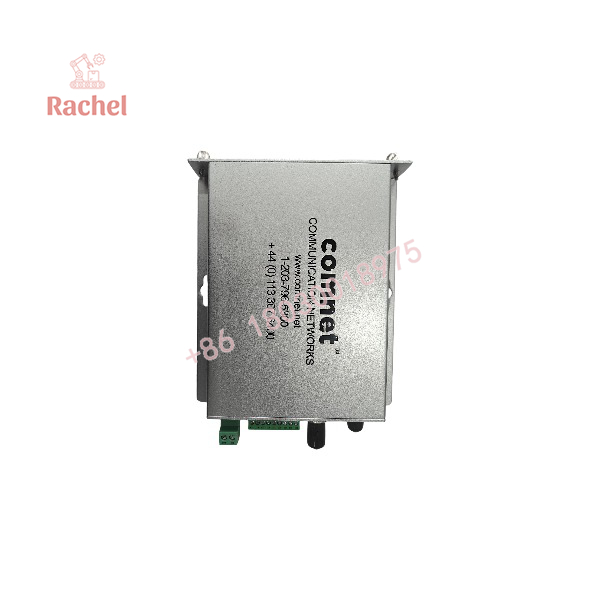
FVR110M
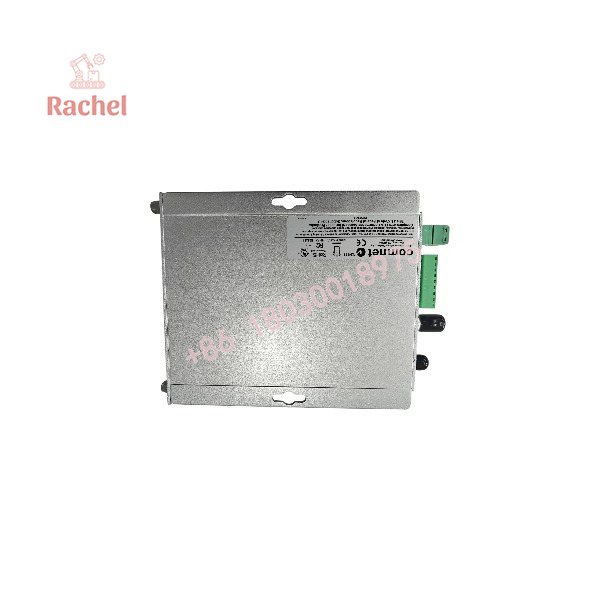
FVR110M
Engineering Selection Highlights
- 10-bit digitally encoded video → exceeds RS-250C short-haul requirements for true broadcast performance.
- Single multimode fiber operation → simplifies cabling while carrying both video and bi-directional data.
- Multiple data interfaces (RS-232/422/485 + up-the-coax) → compatible with a wide range of PTZ and camera control systems.
- Support for Panasonic Proteus, Pelco Coaxitron, and Bosch Bilinx → direct compatibility with popular up-the-coax protocols.
- ComFit housing → interchangeable between stand-alone, rack, and DIN-rail mounting.
- Bi-color LED status indicators → rapid visual confirmation of link, video, and data status.
- Optical budget of approximately 16 dB → supports multimode distances up to 3 km under typical conditions.
Dimensions, Mounting & Connection Notes
- Housing: ComNet ComFit
- Mounting options: Stand-alone, rack-mount card, or DIN-rail with optional adaptor plate
- Optical interface: ST connector (multimode)
- Video interface: BNC
- Data and contact interfaces: Terminal block
- Status: Bi-color LED indicators for link, video, and data
Exact dimensions and power connector details are provided in the official ComNet FVT/FVR110 series installation and operation manual.
System Compatibility & Integration Requirements
| Item / Dependency | Verified Compatibility or Requirement | Practical Note |
|---|---|---|
| Matching Transmitter | ComNet FVT110 series (multimode) | Must be used as a matched pair |
| Optical Fiber | Multimode (62.5/125 µm typical) | ST connector |
| Video Source | Composite video cameras (NTSC/PAL/SECAM) | 1 V pk-pk, 75 Ω |
| Data Interfaces | RS-232, RS-422, RS-485 (2/4-wire), Up-the-Coax | Configurable per application |
| Up-the-Coax Protocols | Panasonic Proteus, Pelco Coaxitron, Bosch Bilinx | Time-base corrected |
| Mounting | Stand-alone, rack card, or DIN-rail (with adaptor) | ComFit housing |
| Power | 8–15 VDC typical | Confirm exact supply for the installed revision |
FAQ
What is the ComNet FVR110M1?
It is a multimode optical fiber video receiver and data transceiver that receives 10-bit digitally encoded video and supports bi-directional serial data over a single multimode fiber.
What fiber type does it use?
Multimode optical fiber (typically 62.5/125 µm) with an ST connector.
What data interfaces are supported?
RS-232, RS-422, 2-wire or 4-wire RS-485, and up-the-coax protocols (Panasonic Proteus, Pelco Coaxitron, Bosch Bilinx).
What is the typical transmission distance?
Up to 3 km (2 miles) on multimode fiber with an approximate 16 dB optical budget.
Is it compatible with standard CCTV cameras?
Yes. It supports NTSC, PAL, and SECAM composite video systems and meets EIA RS-250C short-haul performance requirements.
How is the unit mounted?
The ComFit housing allows stand-alone, rack-mount, or DIN-rail installation (DIN-rail requires an optional adaptor).

 Start Chat


