





Description
Product Introduction
To be honest, the DEIF AL8-2 is an absolute workhorse in generator control systems, engine rooms, and remote switchgear locations. It packages an 8-channel microprocessor-based annunciator into a standard Q96 DIN panel cutout (92x92mm), bypassing the need for complex, space-consuming PLC hardware or custom-wired relay logic racks.
Operating across wide DC supply ranges, the AL8-2 processes input state changes directly from potential-free contacts, triggering sequence-flashing LEDs and driving dedicated horn or trip outputs. In our field experience, replacing a damaged AL8-2 quickly keeps your primary equipment compliant with marine classification societies and basic industrial safety standards without requiring panel cutouts or enclosure re-drilling.
Key Technical Specifications
| Parameter | Value |
| Auxiliary Voltage Supply | 12V, 24V, 48V, or 110V DC variants (12-48V DC nominal ±25%) |
| Power Consumption | Approx. 6 Watt |
| Alarm Channels | 8 Potential-Free Inputs (Individual N/O or N/C configuration) |
| Inhibit Input | 1 Channel (Potential-free contact) |
| Relay Outputs | 3 Relays (1x Horn Output, 2x Programmable Group/Trip Relays A & B) |
| Relay Contact Ratings | AC: 250V / 2A / 400W | DC: 250V / 1A / 50W |
| Programming Method | Front push-button configuration (No DIP switches or jumpers required) |
| Master/Slave Capacity | Up to 5 units synchronized in Master/Slave configuration |
| Dimensions & Cut-out | Front: 96 x 96 mm | Cut-out: 92 x 92 mm (+0.4 mm) |
| Enclosure & Protection | Front panel IP52 (Standard DIN Q96 panel mounting) |
Application Scenarios & The “Trench” Experience
Picture this: It’s 2:00 AM on a commercial vessel, and a generator auxiliary fault drops off the line. The chief engineer races to the control console, but an old relay-logic indicator box has burnt-out bulbs and failed solder joints, hiding which sensor actually tripped first. Finding the root cause takes hours while running on emergency power. Swapping in a pre-configured DEIF AL8-2 gives immediate visual first-out indication, isolating the bad pressure switch in under 30 seconds.
- Marine Engine Monitoring: Tracking lube oil pressure, jacket water temperature, fuel level leaks, and overspeed trip switches.
- Emergency Diesel Generators (EDG): Serving as a standalone, fail-safe alarm annunciator for critical engine trip sequences.
- Substation DC Control Panels: Monitoring breaker trips, transformer gas pressure (Buchholz), and DC battery charger faults.
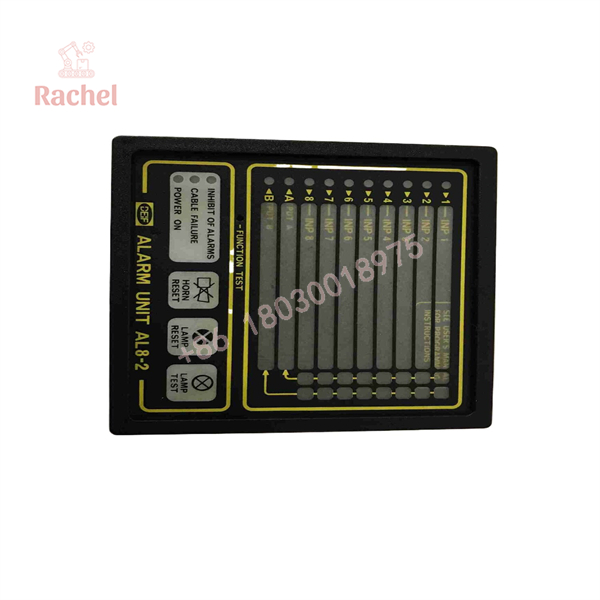
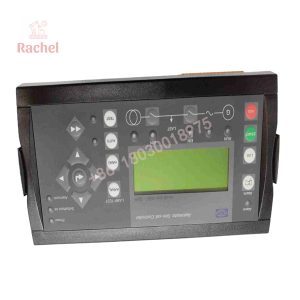
AL8-2
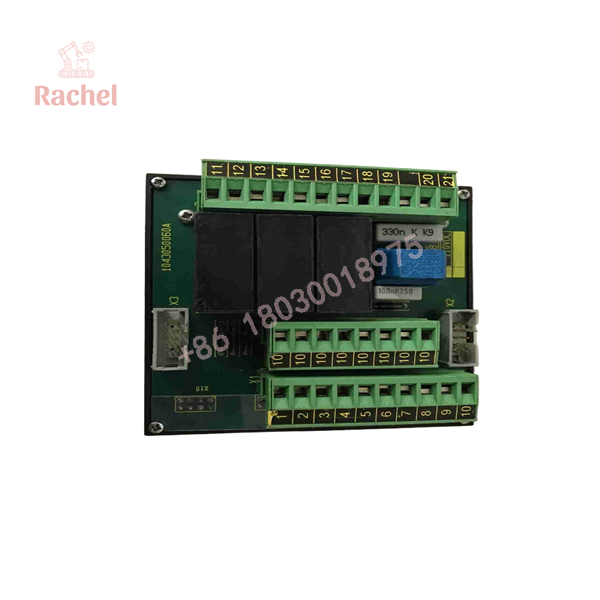
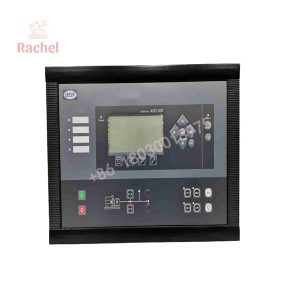
AL8-2
Transparency SOP: Quality Assurance & Testing
We don’t just ship boxes; we test them on actual test benches before dispatch. Every unit goes through a strict verification protocol:
- Inbound Inspection: Visual check for bezel tabs, screw terminal integrity, housing cracks, and original DEIF manufacturing labels.
- Live Rig Testing: Powering up the unit on a DC bench supply to check baseline power draw and LED boot-up self-checks.
- Channel-by-Channel Simulation: Toggling each of the 8 alarm inputs with N/O and N/C test loops to verify front-panel LED flashing patterns and reset sequences.
- Relay Continuity Checks: Testing contacts on Relays A, B, and the Horn output under simulated fault conditions to confirm contact resistance and changeover behavior.
- Final QC & Anti-static Packaging: Clearing stored alarm states back to factory default and packing the module in anti-static ESD shielding with foam cushioning.
The Veteran’s Tech Trap Guide (Crucial Value-Add)
⚠️ Auxiliary Voltage Variant Check: Double-check the exact DC supply voltage printed on the side label before wiring power. DEIF manufactured the AL8-2 across different voltage options (12V-48V DC vs 110V DC). Hooking up 110V DC to a 24V DC terminal block will instantly pop the internal power regulation stage.
❗ Inhibit Input Confusion: The “Inhibit” terminal is designed to prevent alarms during startup (e.g., low oil pressure prior to engine cranking). If your panel alarms continuously during machine startup, verify whether your inhibit contact logic is set to active-closed or active-open in the programming menu.
⚠️ Master/Slave Terminal Jumpering: When connecting up to 5 units in a master/slave setup to share an audible horn, ensure the communication loop polarity is correct across all terminals. Reversed polarity on the master sync line will lock up the processor logic on all connected panels.
Frequently Asked Questions (FAQ for Conversion)
Q: Do I need a software cable or laptop to program the AL8-2?
A: No. One of the best design choices on the AL8-2 is push-button programming directly from the front panel. You don’t need proprietary software, jumpers, or programming leads.
Q: Can I set individual channels for different time delays?
A: Yes. Each of the 8 inputs can be independently programmed for delay times, N/O or N/C input logic, cable monitoring, and relay assignment (Output A and/or Output B).
Q: Does this unit come with a warranty?
A: Yes. All new surplus and fully tested units carry a comprehensive 12-month replacement warranty.
Q: Why buy new surplus instead of going back to the factory lead time?
A: Legacy marine and power gen components often face extended OEM factory lead times. We source surplus, direct-inventory stock so you can get a direct replacement shipped out immediately, keeping your vessel or plant operational without weeks of waiting.

 Start Chat


