





Description
Product Introduction & Engineering Value
As a veteran solutions architect, I can tell you that managing a hybrid plant floor containing both Siemens MPI infrastructure and CANopen-driven motion loops is a notorious headache. Standard operator interfaces force you to choose one native protocol or install multi-stage protocol bridges that complicate system architecture. The Eaton XVS-440-57MPI-1-10 addresses this exact engineering frustration by housing dedicated MPI and CAN physical layers within a single, highly compact 5.7-inch frame.
By embedding these transceiver chips directly onto the processing board, this HMI acts as a localized data translator and operator hub. Protected by a hardened infra-red touch grid behind laminated safety glass, it avoids the physical degradation, scratching, and touch drift that cause standard resistive membranes to fail in intensive industrial spaces.
Technical Specifications
| Parameter | Specification Detail |
| Visual Area | 5.7-Inch Diagonal Active Color Matrix |
| Grid Array | 320 x 240 Pixels (QVGA Configuration) |
| Touch Interaction | Optical Infra-Red Interruption Sensors |
| Onboard Fieldbuses | 1 x Sub-D 9-Pin MPI / Profibus-DP Node, 1 x CANopen Master |
| Auxiliary Ports | 1 x Ethernet (10/100 Base-T), 1 x RS232 Serial, 2 x USB Host |
| Storage Architecture | Internal Execution RAM with Rear CompactFlash Expansion Slot |
| Face Shielding | Anti-Glare Laminated Safety Glass, Scratch Immune |
| Enclosure Rating | Front Bezel Sealed to IP65 / NEMA 4X Standards |
Field Application & The “Trench” Experience
During a control upgrade at a large plastics compounding facility, a high-speed pelletizing extruder line went offline due to an intermittent screen lockout on the main control desk. The system utilized an older S7-300 PLC via MPI for process values, while simultaneously managing localized AC drives over a CAN network. Finding a compact physical drop-in that could natively anchor both networks without adding complex hardware layers was non-negotiable. Installing a new surplus XVS-440-57MPI-1-10 restored both token rings instantly. By transferring the compiled Galileo runtime file via CompactFlash, the team established stable operations within an hour.
Niche Application Scenarios:
- Reciprocating Compressor Skids: Coordinates motor diagnostic feedback via MPI while managing auxiliary cooling fans over CANopen.
- Automated Beverage Carbonation Lines: Manages precise pressure regulation metrics in wet washdown zones requiring heavy glove interaction.
- Pharma Powder Blending Consoles: Provides dense data visualization within compact enclosure doors where cleanroom space is limited.
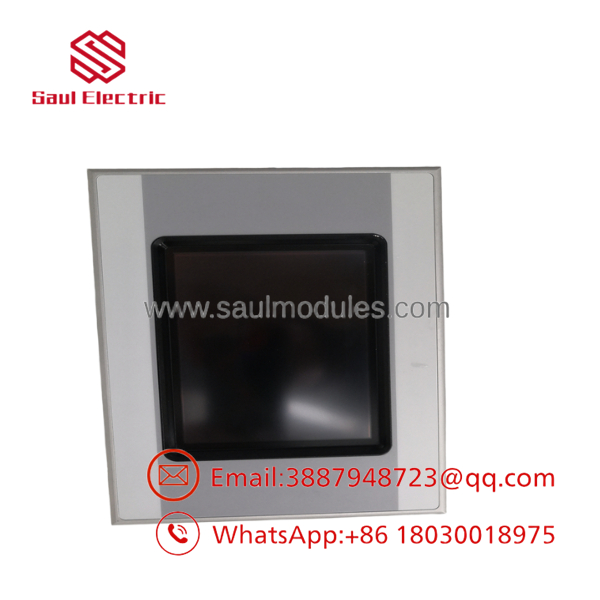
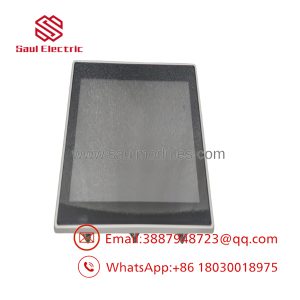
- XVS-440-57MPI-1-10
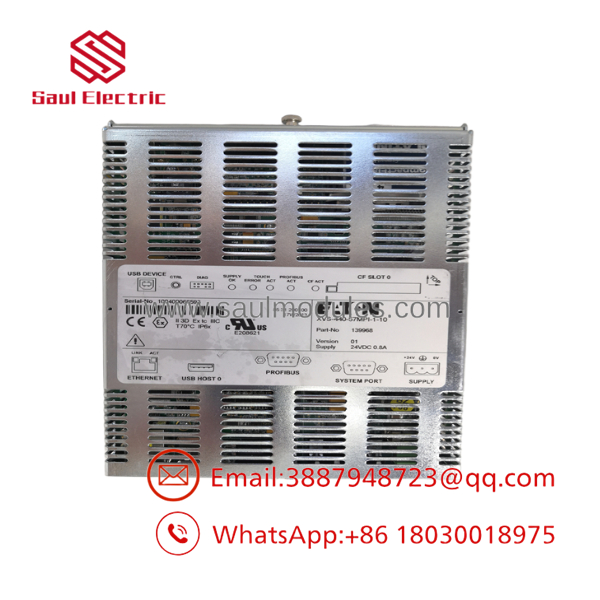
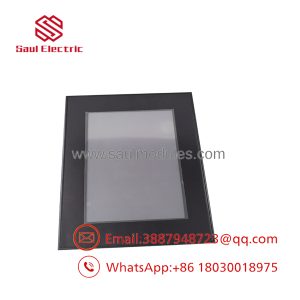
- XVS-440-57MPI-1-10
Transparency SOP: QA & Testing
Every XVS-440-57MPI-1-10 hardware assembly entering our distribution pipeline undergoes a rigorous multi-stage validation testing procedure:
- Dual-Bus Concurrent Verification: We map the unit to an active test setup running a concurrent MPI network loop and a CANopen drive array to ensure both communication processors route packets flawlessly under high bus loads.
- Infra-Red Point Tracing: An automated optical stylus maps the display grid to check for any misaligned or weak IR diodes, ensuring responsive touch inputs across all 320 x 240 coordinates.
- Power Interruption Integrity Check: We simulate sudden brownouts and line fluctuations between 18V and 30V DC to verify the internal memory storage and processing core recover cleanly without data corruption.
- Physical Gasket Testing: The front bezel frame and rear sealing seat are mechanically checked for alignment to ensure proper seating against enclosure cutouts.
The Veteran’s Tech Trap Guide
⚠️ CRITICAL RETROFIT WARNINGS
- The Dual-Network Master Trap: Because this unit can act as a master node on both the MPI and CAN buses simultaneously, pay strict attention to your network timing parameters in the Galileo project. If your scan rates are set too aggressively for both networks, you can easily starve the 32-bit internal processor of bandwidth, resulting in sluggish screen updates or communication timeout faults.
- Termination Switch Conflicts: The 9-pin MPI port and the CAN interface require correct physical termination if the unit sits at the end of a physical line run. Do not rely on software switches; ensure your network connectors feature physical termination resistors flipped to the “ON” position.
- The Optical Channel Hazard: Airborne airborne plasticizers or fine powders can settle inside the recessed frame bezel. If this debris blocks the optical infra-red path, it will simulate a stuck finger touch and ignore all subsequent operator inputs until cleaned with compressed air.
Dynamic FAQ
- Q: Can the XVS-440-57MPI-1-10 communicate with a Siemens PLC and a CAN drive at the same time?
- A: Yes. The hardware architecture contains separate physical controllers for the 9-pin MPI/Profibus link and the CAN interface, allowing concurrent, independent data exchange across both industrial networks.
- Q: Does this unit require a special runtime license code to run Galileo visualization projects?
- A: The “-10” suffix indicates a standard factory configuration profile. Depending on your system backup files, any necessary runtime execution licenses are bundled within the operating system image or transferred directly with your project code.
- Q: How does the infra-red touch display respond if chemical cleaners are sprayed directly on the screen?
- A: The front face is laminated safety glass rated to IP65/NEMA 4X, making it immune to typical chemical wiping agents. To prevent temporary input interruption, ensure liquid does not pool inside the perimeter bezel track where the optical sensors are housed.
- Q: What is the exact physical step required to clone an application from a failed panel onto your New Surplus stock?
- A: Insert your original system CompactFlash card into the rear slot of the replacement unit, check that your station node address dials match the original schematic, and apply 24V DC power. The terminal will read the project directly from the card.

 Start Chat


