





Description
Product Introduction & Engineering Value
A flame scanner is not just another process sensor. If it fails to recognize a valid flame, the burner management system can shut down the burner; if it falsely indicates flame, the consequences are far more serious. The Fireye 85UVF1-1CEX is an integrated Phoenix-series UV flame scanner designed for hazardous-area combustion applications, combining flame detection with an internal flame relay.
The CEX designation is important. This version is housed for hazardous locations and carries documented ATEX/IECEx approvals, with the published approval table identifying Ex II 2 G Ex db IIC T6 and Ex II 2 D Ex tb IIIC T85°C protection for the applicable CEX configuration.
Technical Specifications
| Specification | 85UVF1-1CEX |
|---|---|
| Manufacturer | Fireye |
| Series | Phoenix 85UVF |
| Model | 85UVF1-1CEX |
| Detection Principle | Ultraviolet (UV) |
| Product Type | Integrated flame scanner with internal flame relay |
| Housing Material | Painted aluminum |
| Hazardous-Area Housing | ATEX-approved |
| Protection Rating | IP66 / NEMA 4X |
| Hazardous-Area Classification | Ex II 2 G Ex db IIC T6; Ex II 2 D Ex tb IIIC T85°C |
| Cable Entry | 3/4-inch NPT threaded opening documented for the ATEX housing |
| Sight-Pipe Connection | 1-inch NPT female thread documented |
| Purge/Cooling Connection | 3/8-inch NPT opening |
| Mounting Flange | Ordered separately according to the installation documentation |
| Grounding | 8-32 grounding screw and terminal |
| Safety Capability | Suitable for applications up to SIL 3 according to Fireye’s cited FMEDA basis |
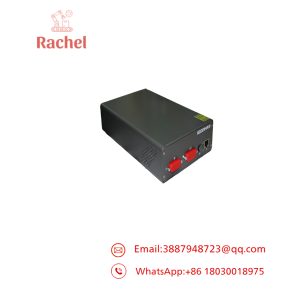
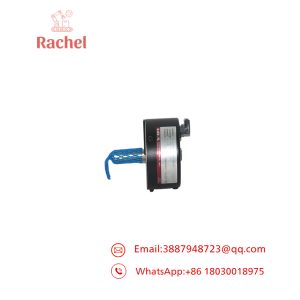
Fireye’s technical documentation gives the 85UVF1-1CEX a substantially different mechanical envelope from a small electronic flame sensor: the ATEX housing is approximately 8.94 inches long and 5.28 inches high, with a 1-inch NPT female sight-pipe connection. The scanner’s mounting flange is a separately ordered component.
Electrical Configuration — Verify Before Installation
There is conflicting secondary-market information concerning the exact power supply for this part number. One reseller claims 120 VAC, 50/60 Hz, while another claims 24 VDC, and another gives 120/240 VAC. These discrepancies are significant enough that none should be treated as authoritative without checking the actual Fireye wiring documentation and nameplate for the specific unit.
For procurement, specify the complete 85UVF1-1CEX part number and original equipment configuration, rather than relying on a reseller’s abbreviated electrical specification.
Field Application & the “Trench” Experience
A boiler burner is cycling normally until the BMS begins reporting intermittent flame failures. The burner itself ignites, but the flame signal drops out unexpectedly. An inexperienced technician might immediately adjust the scanner sensitivity.
That is the wrong first move.
The experienced technician checks the sight glass, flame geometry, scanner alignment, purge-air condition, wiring, grounding, and scanner status before changing the combustion-safety settings. If the scanner itself is confirmed defective, the replacement must match the original 85UVF1-1CEX hazardous-area configuration.
The reason is simple: this device sits directly inside a combustion safety loop. A visually similar UV detector is not an acceptable substitute simply because it can “see” the same flame.
Specific Application Scenarios
- Industrial boiler burner flame supervision where continuous UV flame verification is required.
- Process-heater burner management in hazardous-area refinery installations.
- Gas-fired furnace flame monitoring where the scanner must interface with a burner management system while remaining suitable for the classified installation.
- Oil/gas combustion equipment where ATEX/IECEx-rated flame detection is required.
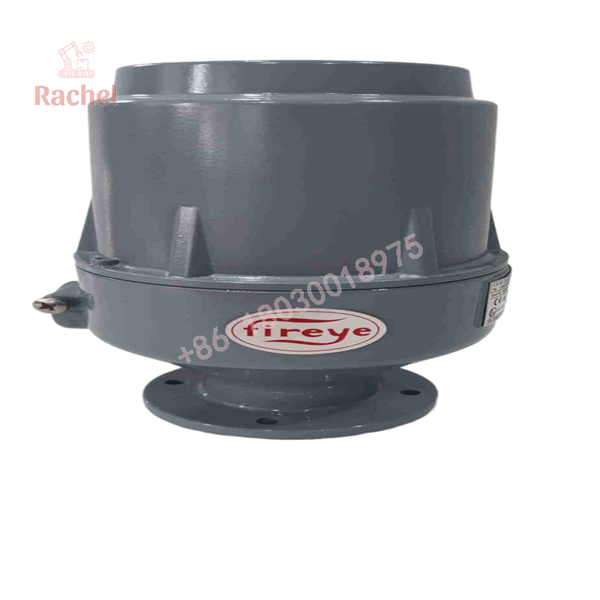
85UVF1-1CEX
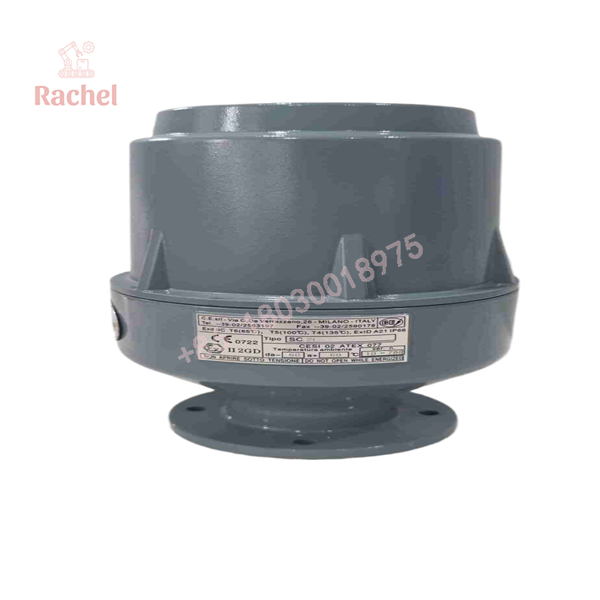
85UVF1-1CEX
Transparency SOP: QA & Testing
For a New Surplus or refurbished 85UVF1-1CEX, inspection should be considerably stricter than a normal industrial PCB.
1. Identity check
Verify the complete 85UVF1-1CEX designation on the actual scanner and compare the hazardous-area markings with the purchase specification.
2. Housing inspection
Check the aluminum explosion-protection housing for dents, cracks, corrosion, damaged threads, or evidence of unauthorized modification.
3. Optical inspection
Inspect the viewing window/lens for scratches, contamination, discoloration, or deposits. The optical path is part of the measurement system.
4. Connection inspection
Check the sight-pipe connection, cable entry, grounding point, and purge-air connection.
5. Electrical test
Use the correct supply and wiring arrangement specified for the actual scanner configuration. Do not energize a unit based solely on a reseller’s claimed voltage.
6. Functional flame test
Where an approved test setup is available, verify flame detection, flame-failure response, internal relay behavior, and fault indication.
7. Certification check
For hazardous-area service, verify that the certification markings and enclosure condition correspond to the intended installation. A repaired housing cannot automatically be assumed to retain its original hazardous-area certification.
The Veteran’s Tech Trap Guide
⚠️ Trap #1 — Confusing UV detection with IR detection
The UVF designation identifies the ultraviolet version. The related Phoenix family also includes IRF scanners. Do not substitute an IR scanner simply because the housing and mounting arrangement appear similar. Fireye’s documentation separately lists the UVF and IRF families.
⚠️ Trap #2 — Treating the hazardous-area certification as cosmetic
It is not.
The CEX housing is specifically intended for hazardous-area applications, with documented ATEX/IECEx protection classifications. Do not replace it with a non-certified scanner merely because the electrical signal appears compatible.
PRO TIP: Record the complete hazardous-area marking from the existing unit before purchasing its replacement. For classified-area equipment, certification details belong in the procurement specification.
⚠️ Trap #3 — Blindly trusting online voltage specifications
This model has inconsistent electrical specifications across secondary-market listings. One source reports 120 VAC, another 24 VDC, and another 120/240 VAC.
For a combustion-safety device, that is not a harmless catalog discrepancy. Verify the actual nameplate, wiring diagram, and Fireye documentation.
⚠️ Trap #4 — Replacing the scanner without checking sighting
A functioning scanner cannot compensate for poor flame geometry, dirty optics, incorrect sight-pipe alignment, or excessive background UV. If the replacement immediately develops the same symptom, investigate the installation rather than assuming the replacement unit is defective.
Dynamic FAQ
What is Fireye 85UVF1-1CEX?
It is a Fireye Phoenix integrated ultraviolet flame scanner with an internal flame relay, designed for flame supervision in industrial combustion equipment.
What does the UV sensor detect?
It detects ultraviolet radiation associated with combustion. The scanner processes the detected flame signal and provides the information required by the burner safety/control system.
Is the 85UVF1-1CEX suitable for hazardous areas?
Yes. Fireye’s published documentation specifically lists the 85UVF1-1CEX with ATEX/IECEx hazardous-area approvals and an ATEX enclosure suitable for Ex II 2 G/D applications.
What is the difference between 85UVF1-1CEX and 85UVF1-1QD?
They are different hazardous-area/configuration variants. Fireye’s approval table shows materially different certification coverage between the -1QD and -1CEX models. Match the exact original model rather than treating the suffix as optional.
Is 85UVF1-1CEX still a current product?
The model is still widely listed by industrial suppliers, although secondary-market sources characterize it as legacy/limited-support inventory. For a critical burner application, verify current manufacturer support and certification status before committing to a long-term replacement strategy.
How should New Surplus authenticity be verified?
Request photographs of the actual scanner, including the Fireye nameplate, complete 85UVF1-1CEX designation, certification markings, housing, viewing window, and packaging. For hazardous-area equipment, do not accept “new surplus” as sufficient evidence that the certification and enclosure remain valid.
What warranty should I request?
Warranty is supplier-specific. One current listing advertises 12 months for a new unit, but that is a seller warranty rather than proof of a manufacturer warranty. For a combustion-safety component, the quotation should explicitly state warranty duration, return conditions, and whether the supplied unit is new, New Surplus/NOS, or refurbished.

 Start Chat


