





Description
Product Introduction
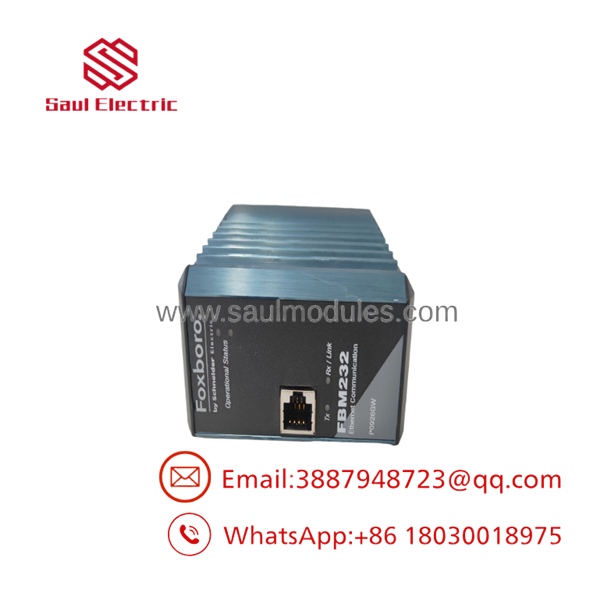
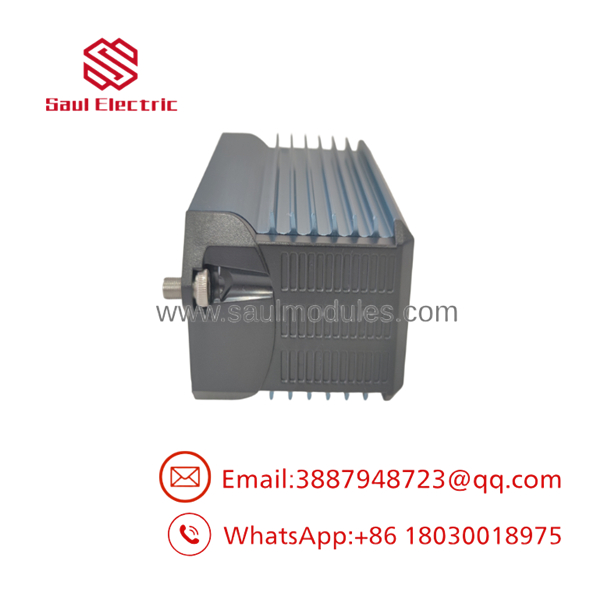
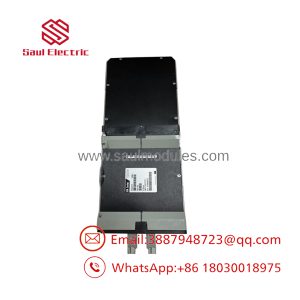
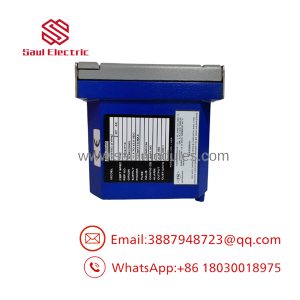
The Foxboro FBM232 (Part Number P0926GW) is a versatile, high-performance hybrid communication Fieldbus Module engineered for the Foxboro I/A Series and EcoStruxure DCS platforms. Designed for applications that require simultaneous Ethernet and serial subsystem connectivity, the FBM232 combines 1 Ethernet port and 2 serial ports into a single 200 Series baseplate slot.
By integrating both standard 10/100 Mbps Modbus TCP/IP Ethernet and RS-232/422/485 Modbus RTU serial protocols, the FBM232 eliminates the need to install separate, single-purpose communication cards. Onboard microprocessors offload data packet translation and cyclic polling tasks from the host Control Processor (CP), while galvanic and optical isolation protects internal system electronics from severe field electrical transients and ground loops.
Key Technical Specifications
| Parameter | Value |
| Manufacturer | Foxboro (Invensys / Schneider Electric) |
| Part Number | FBM232 / P0926GW (RoHS Equivalent: RH926GW) |
| Series | Foxboro 200 Series Subsystem |
| Ports | 1 Ethernet Port (10/100 Mbps) + 2 Serial Ports (RS-232/422/485) |
| Supported Protocols | Modbus TCP/IP, Modbus RTU (Master/Slave), Modbus ASCII, Custom Drivers |
| Isolation Voltage | 1500V AC channel-to-bus and port-to-port optical/galvanic isolation |
| Power Dissipation | 4.8W maximum from baseplate power rails |
| Mounting | Foxboro 200 Series DIN-rail baseplate (P0926KE / RH916AQ or equivalent) |
| Operating Temp Range | -20°C to +70°C (-4°F to +158°F) |
Application Scenarios & The “Trench” Experience
The Trench Story
It is 04:10 AM at a power station. The main DCS operator console loses data feeds from both a modern Ethernet-based vibration monitor and two legacy RS-485 Modbus temperature controllers on a feed pump skid. Both subsystem links routed through a single communication card that failed after a lightning surge on the external serial line. The lead instrument technician pulled a bench-verified FBM232 (P0926GW) module from warehouse stock. Swapping the card on the powered baseplate and reconnecting the hybrid Ethernet/serial Termination Assembly restored both Modbus TCP and Modbus RTU telemetry simultaneously within 10 minutes.
Target Application Scenarios
- Hybrid Subsystem Skids: Connects modern Ethernet PLCs (Modbus TCP) and legacy serial motor drives or power meters (Modbus RTU) through a single module slot.
- Analyzer & Gas Chromatograph Integration: Ingests high-density Ethernet process data while maintaining legacy RS-485 serial communication with field sample systems.
- Compact Cabinet Subsystem Gateways: Ideal for remote cabinets with limited DIN-rail space where installing separate serial and Ethernet modules is not feasible.
Field Case Study
A chemical processing plant in Indiana experienced intermittent socket drops on an Ethernet tank gauging system and corrupt packet reads on a serial weigh scale loop. Troubleshooting identified cross-port interference caused by failing transceiver isolation on an aging hybrid module. A bench-tested P0926GW replacement was delivered via express courier. The site technician bypassed the Equipment Control Blocks (ECBs), hot-swapped the FBM232 card on the live rack, and brought both communication paths back to 100% data integrity.
FBM232
FBM232
Transparency SOP: Quality Assurance & Testing
We don’t just ship boxes; we test them on actual Foxboro 200 Series racks. Every / P0926GW module undergoes a strict 5-stage workbench validation process prior to dispatch:
- Inbound Visual & Mechanical Inspection: Magnified inspection of PCB traces, edge-connector gold plating, housing locking tabs, and check for signs of thermal degradation around serial line transceivers and Ethernet transformers.
- Cold Power Rail Diagnostics: Resistance checks across internal bus rails, power conversion stages, and line drivers to rule out component shorts.
- Live Baseplate Bus Handshake: Module is mounted on a live Foxboro 200 Series baseplate connected to a Control Processor to verify bus address recognition, module handshake, and proper LED status routines.
- Dual-Protocol Ethernet & Serial Loopback Test: Ethernet Modbus TCP simulators and RS-485 Modbus RTU slave devices are connected to all ports simultaneously. We execute concurrent high-rate polling scripts to confirm zero packet drop, stable socket retention, and accurate database register updates in Foxboro I/A system software.
- Anti-Static ESD Packaging: Cleared modules receive solvent contact cleaning, thorough drying, and are sealed in heavy-duty anti-static ESD shielding bags prior to custom foam packaging.
The Veteran’s Tech Trap Guide
- ⚠️ Do Not Confuse (Combo) with FBM230 (4-Port Ethernet) or FBM224 (4-Port Serial)!
The features 1 Ethernet port and 2 Serial ports. Inserting an into a slot configured in the software database for an FBM230 (all Ethernet) or FBM224 (all serial) will result in system driver mismatch errors.
- ❗ Verify Termination Assembly (TA) Jumper Settings for Serial Ports.
Ports 2 and 3 can be set to RS-232, RS-422, or RS-485 mode depending on the specific Termination Assembly and internal wiring jumpers. Ensure your RS-485 2-wire vs. 4-wire settings and termination resistors (120 Ω) are properly set before powering the loop.
- ⚠️ Double-Check IP Address & Port Assignments.
The Ethernet port requires proper IP address and subnet configuration in the DCS software environment. Ensure the replacement module’s database configuration matches the physical network topology to prevent IP conflicts.
- ❗ Bypass Active Driver Blocks (ECBs) Before Hot-Swapping.
Although Foxboro 200 Series baseplates fully support Live Insertion and Removal (Hot Swap), extracting an module instantly severs all active Modbus TCP sockets and Modbus RTU serial polling, setting all linked database tags to “BAD” quality status. Always disable or bypass associated ECB blocks prior to removal.
Frequently Asked Questions (FAQ)
Q: Can I hot-swap the Foxboro module while the baseplate is powered?
A: Yes, Foxboro 200 Series baseplates support Hot Swap (Live Insertion and Removal). However, pulling the module terminates both Ethernet and serial communication links instantly. Place all associated Equipment Control Block (ECB) drivers into manual bypass prior to removing the module.
Q: What is the exact difference between part numbers , P0926GW, and RH926GW?
A: “” is the functional model designation used in DCS engineering software, “” is the standard Foxboro hardware part number, and “RH926GW” is Schneider Electric’s RoHS-compliant (lead-free) hardware equivalent. and RH926GW are 100% functionally and mechanically interchangeable.
Q: Can the serial ports and Ethernet port operate simultaneously?
A: Yes. The contains dedicated internal processing channels for both Ethernet and serial interfaces, allowing Modbus TCP and Modbus RTU communication to run concurrently without degradation in performance.
Q: What warranty covers these pre-tested modules?
A: Every ( / RH926GW) module sold includes a full 12-Month Functional Warranty. If the card experiences hardware failure under normal operating parameters within 365 days, we provide an immediate unit replacement or full credit.
Q: Why buy pre-tested surplus stock instead of ordering directly from Schneider Electric?
A: OEM lead times for specialized Foxboro 200 Series communication modules can stretch into weeks or months, and factory list pricing for mature platform hardware is high. Pre-tested surplus stock allows you to restore critical Ethernet and serial subsystem links immediately at a fraction of the cost.

 Start Chat


