





Description
Product Introduction
The Foxboro P0916AG (RoHS designation RH916AG) is a high-reliability Control Processor (CP) baseplate engineered for Foxboro 200 Series subsystems and EcoStruxure DCS platforms. Built specifically to serve as the structural and electrical foundation for main control nodes, the P0916AG accommodates primary and backup Field Control Processors, such as the FCP270 or FCP280.
Featuring an integrated hardware tracking backplane, the P0916AG enables continuous, sub-millisecond lockstep synchronization between paired controllers. It routes redundant 24V DC operating power, system clock strobes, and dual 2 Mbps HDLC fieldbus connections (Bus A and Bus B) downstream to Fieldbus Module (FBM) baseplate chains while interfacing directly to the main Ethernet DCS network (The Mesh).
Key Technical Specifications
| Parameter | Value |
| Manufacturer | Foxboro (Invensys / Schneider Electric) |
| Part Number | P0916AG (RoHS Equivalent: RH916AG) |
| Series | Foxboro 200 Series Subsystem / EcoStruxure DCS |
| Supported Controllers | Foxboro FCP270 (P0926CP) / FCP280 (P0926TC) / ZCP270 |
| Slot Capacity | 2 Dedicated Controller Slots (Fault-Tolerant Redundant Pair or Standalone) |
| Backplane Bus | Dedicated high-speed inter-processor tracking bus |
| Power Input | Dual Redundant 24V DC input connectors via baseplate bus |
| Fieldbus Interfaces | Redundant 2 Mbps HDLC Fieldbus ports (Bus A & Bus B) to FBM chains |
| Mounting | DIN-Rail or Direct Enclosure Panel Mount |
| Operating Temp Range | 0°C to +60°C (+32°F to +140°F) |
Application Scenarios & The “Trench” Experience
The Trench Story
It is 03:00 AM during an online hardware expansion at a power generation facility. The plant automation team was adding a backup controller to create a fault-tolerant pair on a primary boiler control node. After mounting the replacement P0916AG baseplate and landing the dual 24V DC feeder cables from the FPS400 power supply, both FCP270 processors were secured into the baseplate slots. The P0916AG’s internal tracking bus established immediate partner recognition, allowing the secondary controller to download and mirror the active control database in seconds without interrupting ongoing steam temperature regulation.
Target Application Scenarios
- Redundant Controller Hosting: Acts as the primary baseplate structure for mounting fault-tolerant FCP270 or FCP280 pairs in critical process environments.
- Cabinet Control Infrastructure: Links top-level Ethernet control networks (The Mesh) to field-level 200 Series I/O baseplate lines.
- Legacy Control Modernization: Essential baseplate replacement when migrating older I/A Series control nests to 200 Series DIN-rail mounted hardware.
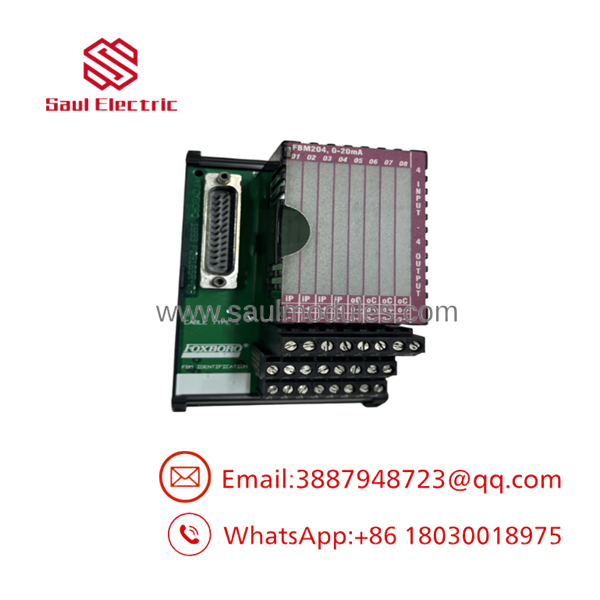
P0916AG
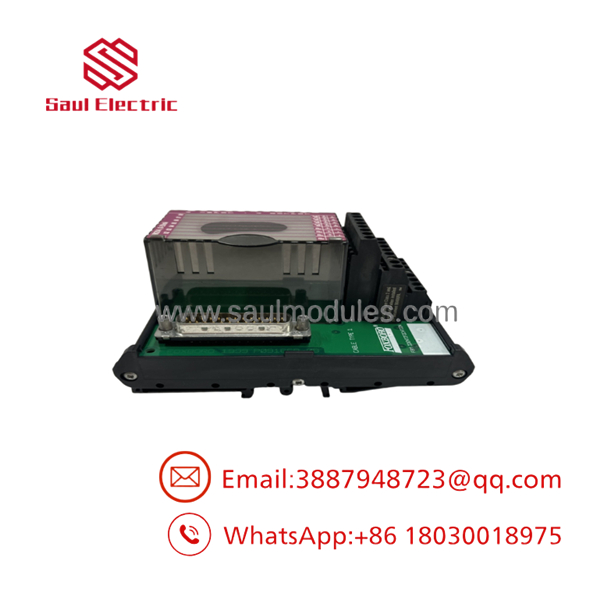
P0916AG
Transparency SOP: Quality Assurance & Testing
Every baseplate undergoes a strict 5-stage workbench validation process prior to dispatch:
- Inbound Visual & Mechanical Inspection: High-magnification check of controller slot pin arrays, backplane circuit traces, latching guide rails, and heavy-duty connector shrouds.
- Backplane Electrical Isolation & Continuity: Multi-point pin testing across 24V DC power rails, ground planes, and tracking lines to rule out internal PCB shorts.
- Live Redundant Lockstep & Synchronization Test: Mounted on a test bench with a redundant pair of FCP270/FCP280 controllers. We verify immediate partner detection, tracking LED initialization, and database synchronization across the baseplate backplane.
- Fieldbus & Network Pass-Through Test: Heavy I/O data traffic is routed through the baseplate fieldbus ports to connected FBM baseplate chains, testing zero packet loss when toggling Bus A and Bus B lines.
- Anti-Static ESD Packaging: Cleared baseplates receive solvent contact cleaning, thorough drying, and are sealed in heavy anti-static ESD shielding bags prior to custom foam packaging.
The Veteran’s Tech Trap Guide
- ⚠️ Do Not Confuse CP Baseplates () with FBM Baseplates (P0914XB / P0926KE):
The is specifically keyed and wired for Control Processors (such as FCP270/FCP280). Standard I/O modules (FBM201, FBM207, etc.) cannot be installed in this baseplate.
- ❗ Verify Power & Fieldbus Terminal Latching:
Ensure primary and secondary 24V DC power connections and fieldbus extension cables attached to the are firmly screwed down to prevent loose connections from causing false power or bus fault alarms.
- ⚠️ Ensure Full Module Seating:
When inserting or FCP280 cards into the , press firmly until side latches click fully into position. Partial connector engagement can interrupt the tracking bus and cause synchronization faults.
- ❗ Confirm RoHS Part Numbers ( vs. RH916AG):
is the standard Foxboro hardware part number, whileRH916AGis Schneider Electric’s RoHS-compliant equivalent. Both share identical mechanical dimensions, mounting footprints, and electrical performance.
Frequently Asked Questions (FAQ)
Q: What is the primary function of the Foxboro baseplate?
A: The is a 2-slot baseplate designed specifically to house Foxboro Field Control Processors (such as the or ) and provide the backplane connectivity for power, tracking synchronization, and fieldbus communications.
Q: What is the difference between part numbers and RH916AG?
A: “” is the standard Foxboro hardware part number, and “RH916AG” is Schneider Electric’s RoHS-compliant (lead-free) equivalent. They are 100% functionally and mechanically interchangeable.
Q: Can a single controller be operated on a baseplate?
A: Yes, the can host a single standalone Field Control Processor in Slot 1, or a fault-tolerant redundant pair using both slots.
Q: What warranty covers these pre-tested baseplate assemblies?
A: Every / baseplate sold includes a full 12-Month Functional Warranty. If the unit experiences hardware failure under normal operating parameters within 365 days, we provide an immediate unit replacement or full credit.

 Start Chat


