





Description
Product Introduction
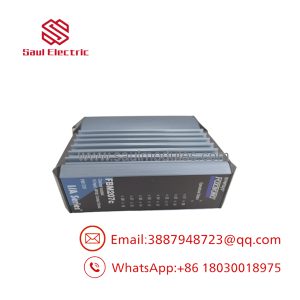
The Foxboro P0916PW (frequently designated as P0916PW-OC) is a specialized Fieldbus Isolator Module designed for Foxboro I/A Series distributed control systems. Plant technicians deploy this unit inside control cabinets to buffer noise and maintain clean signal lines between field devices and upstream control processors.
Unlike standard non-isolated interfaces, the P0916PW prevents ground loops and dangerous voltage spikes from damaging central rack electronics. Isolating the communication segment preserves signal integrity across long fieldbus runs, preventing intermittent comm dropped packets in electrically harsh environments.
Key Technical Specifications
| Parameter | Value |
| Manufacturer | Foxboro / Schneider Electric |
| Part Number | P0916PW / P0916PW-OC |
| System Compatibility | Foxboro I/A Series Distributed Control System |
| Module Function | Fieldbus Signal Isolation / Interface |
| Operating Input Voltage | 24 V DC nominal (via baseplate) |
| Isolation Type | Optical / Galvanic (Field-to-Logic & Channel-to-Channel) |
| Mounting Style | I/A Series Modular Baseplate Slot |
| Operating Temperature | 0°C to +60°C (32°F to 140°F) |
| Storage Temperature | -40°C to +85°C (-40°F to 185°F) |
| Relative Humidity | 5% to 95% non-condensing |
| Status LED Indicators | Module Power, Fieldbus TX/RX Active |
Application Scenarios & The “Trench” Experience
It is 2 AM on a muggy July night in a chemical plant. A variable frequency drive on a major cooling pump starts throwing harmonic noise onto the fieldbus line. Suddenly, three downstream Fieldbus Processors trip off, dropping comms to crucial valve positioners. The board operator sees red flashing alarms across the DCS screen. Process shutoff is minutes away unless you clean up that bus line.
- Petrochemical Refining – Isolated Fieldbus Sub-networks – Prevents high-voltage motor starters from dumping electrical noise into sensitive flowmeter loops.
- Power Generation – Turbine Control Auxiliary Bus – Protects I/A Series rack electronics against ground potential differences between remote equipment buildings.
- Water & Wastewater Treatment – Outdoor Substation Integration – Buffers field communication wiring exposed to lightning strikes and industrial surges.
- Pulp & Paper Processing – Heavy Drive Section Monitoring – Blocks stray currents generated by massive wet-end paper machine drives from corrupting telemetry.
Field Case Study: Emergency Swap Out Saves Continuous Batch Run
A specialty chemical facility in Texas experienced an intermittent communication failure on a critical I/A Series node. The fault stemmed from a failed isolator card on an aging P0916PW baseplate assembly, causing ground loops to pull down a batch reactor’s feed rate feedback line. The plant faced a $45,000-per-hour shutdown penalty if the batch stalled mid-cycle.
We pulled a tested -OC unit from our surplus inventory and courier-shipped it directly to the site within four hours. The instrument tech seated the replacement, confirmed steady fieldbus handshakes via the diagnostic LEDs, and restored loop comms immediately. Total downtime was capped at under six hours, saving the batch and avoiding an unscheduled plant trip.
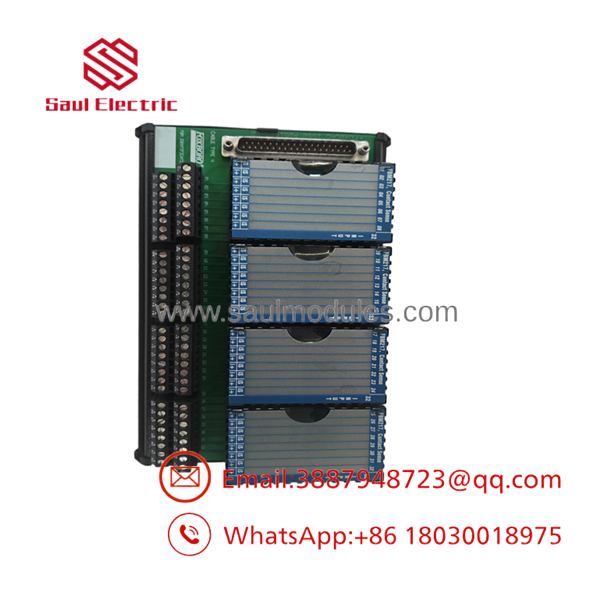
P0916PW
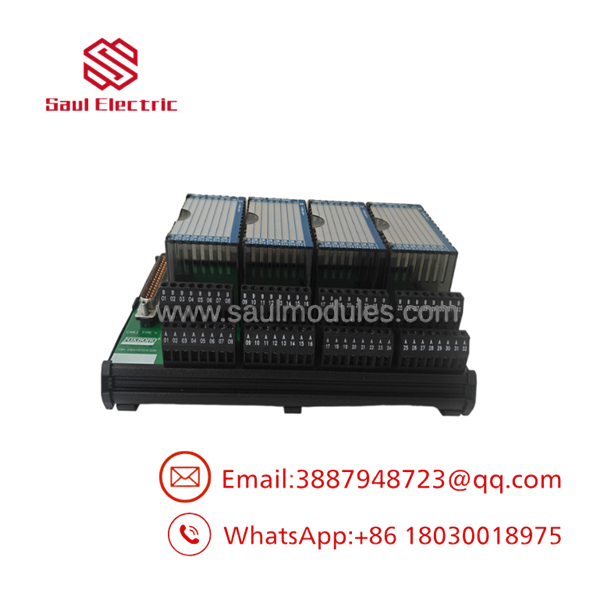
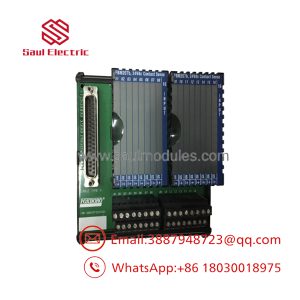
P0916PW
Transparency SOP: Quality Assurance & Testing
We do not just box up legacy parts and ship them. Every single Foxboro card goes through a rigorous bench test procedure before it receives a QC pass sticker:
- Inbound Visual & Anti-Counterfeit Inspection: Check backplane pin geometry, housing plastic integrity, OEM serial labels, and inspect for burnt traces or swollen caps.
- Live Rig Testing: Mount the on a live Foxboro I/A Series test rack running active I/O loops to confirm fieldbus handshake execution.
- Electrical Parameter Checks: Test internal 24V power rails, verify circuit fuse resistance, and perform continuous load checks under full thermal operating limits.
- Isolation Verification: Measure insulation breakdown parameters to guarantee optical and galvanic isolation barriers meet original factory tolerances.
- Final QC & Anti-Static Packaging: Clear test logs, attach ESD warnings, apply anti-tamper seals, and vacuum-pack in heavy-duty ESD shielding bags.
“We don’t just ship boxes; we test them on actual Foxboro racks.”
The Veteran’s Tech Trap Guide
- ⚠️ Watch Out for Part Suffix Mismatches: The suffix on these modules matters. A and a
-OCare functionally interchangeable in almost all baseplate layouts, but confirm whether your site documentation explicitly calls for conformal coating (often designated in specific revisions). - ❗ Never Force the Card On the Baseplate: The rear connector pins on Foxboro I/A baseplates are fine-pitched. If the card resists insertion, stop immediately. Inspect the backplane housing for bent pins or debris. Forcing it will turn a simple card swap into a full baseplate replacement nightmare.
- ⚠️ Confirm Baseplate Power Distribution: If the status LED fails to light up after seating the new card, do not assume the module is dead. Check the 24V DC dual power supply feeds on the baseplate terminals first. A blown fuse on the baseplate bus will starve the module of primary power.
- ❗ Beware of Unchecked Ground Loops: An isolator module protects your DCS rack, but if it blew out due to a massive external spike, the underlying ground fault in the field is probably still there. Clear field wire grounds before dropping in the new card, or you might burn out the isolator interface again.
Frequently Asked Questions (FAQ)
Q: Is the hot-swappable in a running Foxboro I/A rack?
Yes, the hardware design allows module insertion and removal while the baseplate is powered. However, pulling a fieldbus isolator will temporarily sever communication to whatever field devices route through that specific loop segment. Always switch control loops to Manual or bypass the affected segment prior to extraction.
Q: What is the exact difference between and -OC?
The -OC suffix generally denotes conformal coating applied during manufacturing to protect internal circuitry against corrosive environments, like sulfur fumes in refineries or chlorine in water treatment. Functionally and electrically, they execute the exact same isolator logic.
Q: How do I know if my original module has failed?
Check the front status LEDs. If the power LED is completely dark while baseplate power is confirmed, or if the fieldbus status LED flashes irregularly while connected to a verified field device, the internal transceiver or isolation circuit has failed.
Q: Why buy New Surplus or Refurbished instead of buying direct from Schneider Electric?
Schneider Electric has transitioned much of the classic Foxboro I/A hardware line to mature or legacy status. Ordering direct often means long lead times or forced migration to newer control platforms. Our surplus and reconditioned stock is fully tested, available for immediate shipment, and costs significantly less than factory list price.
Q: What kind of warranty comes with this module?
We back every tested module with a comprehensive 12-month operational warranty. If the card fails under normal operating conditions within a year of purchase, we replace it or issue a full refund.
Q: Do I need to reflash firmware when replacing a ?
No. The functions as a hardware-level signal isolation and interface module. It does not carry flashable application logic like an FCP controller card, meaning it is plug-and-play once correctly seated on the baseplate slot.

 Start Chat


