





Description
Product Introduction
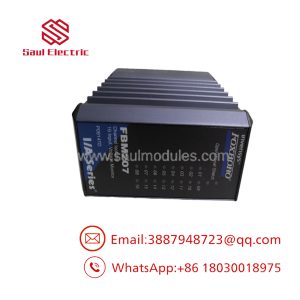
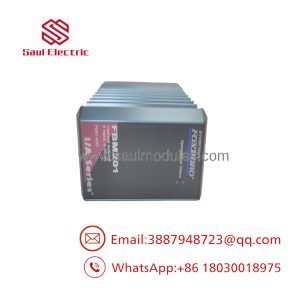
The Foxboro P0926GH (frequently specified under the conformal-coated designation P0926GH-OC) is a high-performance communication interface module designed for the Foxboro I/A Series Distributed Control System (DCS). Operating inside control cabinets on standard modular baseplates, this module executes deterministic data packet handshakes between field I/O modules, fieldbus processors, and upstream system networks.
Built for heavy industrial duty, the P0926GH maintains high electromagnetic noise immunity and prevents communication timing jitter across critical control loops. Swapping an aging or failing P0926GH card restores baseplate communication stability, eliminates intermittent bus timeout alarms, and keeps continuous process operations running smoothly.
Key Technical Specifications
| Parameter | Value |
| Manufacturer | Foxboro / Schneider Electric |
| Part Number | P0926GH / P0926GH-OC |
| System Compatibility | Foxboro I/A Series DCS |
| Module Function | Fieldbus Processor / Communication Interface |
| Operating Input Voltage | 24 V DC (Supplied via Baseplate Interface) |
| Environmental Protection | Conformal Coating Available (“-OC” Suffix) |
| Mounting Style | Foxboro I/A Series Modular Baseplate Slot |
| Operating Temperature | 0°C to +60°C (32°F to 140°F) |
| Storage Temperature | -40°C to +85°C (-40°F to 185°F) |
| Relative Humidity | 5% to 95% non-condensing |
| Status LED Indicators | Module Power, System Bus Activity, Diagnostics/Fault |
Application Scenarios & The “Trench” Experience
It is 1:15 AM on a freezing January night at a continuous paper mill. The secondary fieldbus line on an I/A Series node controlling the main press section starts throwing random comm drops. The diagnostic buffer indicates bus sync errors on an aging interface card, threatening to lock up the drive speed feedback loop. If that secondary line goes completely dark before you drop in a replacement, the paper sheet will tear, forcing an eight-hour cleanup and thousands in lost production.
- Pulp & Paper Processing – Paper Machine Drive Section – Maintains high-speed, jitter-free speed reference updates across distributed baseplates.
- Chemical Manufacturing – Exothermic Reactor Loop Control – Ensures uninterrupted real-time telemetry from temperature and pressure transmitters.
- Oil & Gas Refining – Crude Distillation Units – Routes fast fieldbus signals between field junction boxes and central control processors in high-noise areas.
- Power Generation Facilities – Boiler Draft Fan Controls – Handles redundant bus communications without data packet corruption or buffer stalls.
Field Case Study: Emergency Swap Prevents Boiler Trip
A Midwest utility plant experienced intermittent fieldbus timing faults on an I/A Series rack managing boiler feed pumps. Investigation pointed to a failing logic component on an older card. With a forced outage penalty pegged at $35,000 per hour, the plant needed a verified replacement card immediately.
We dispatched a bench-tested -OC module via emergency courier within three hours. The site technician hot-swapped the card into the secondary slot, verified steady green diagnostic LEDs, and restored full dual-redundant bus operation. Total recovery time took under five hours, avoiding a costly boiler shutdown.
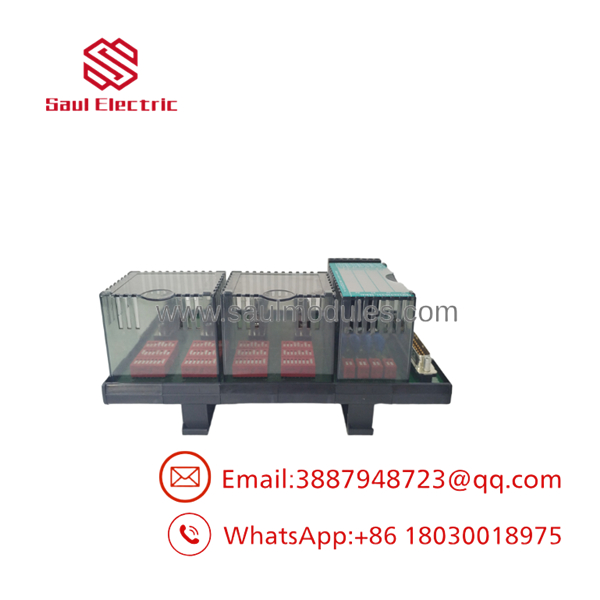
P0926GH
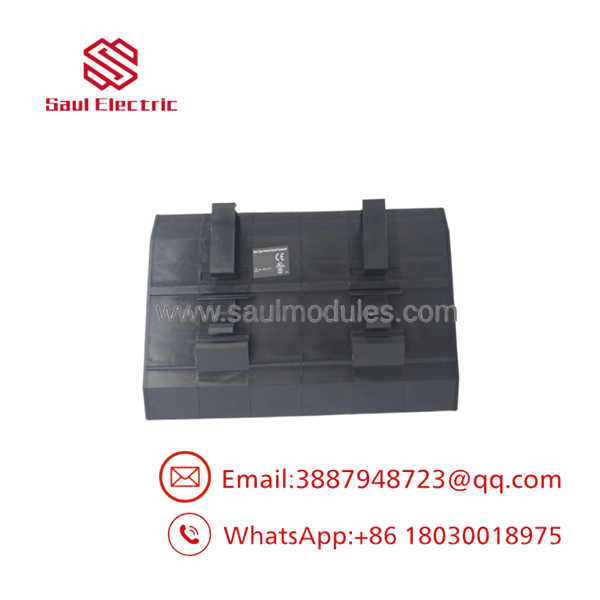
P0926GH
Transparency SOP: Quality Assurance & Testing
We do not just pull vintage components out of storage and slap shipping labels on them. Every single Foxboro module undergoes a strict physical and electrical bench test protocol before receiving a QC pass tag:
- Inbound Visual & Structural Inspection: Inspect backplane pin geometry, housing latches, solder joints, and component integrity for signs of heat stress or corrosion.
- Live Rack Mount Testing: Seat the on an active Foxboro I/A Series test rack running continuous, real-time data loops.
- Bus Traffic & Load Testing: Drive heavy packet traffic across both communication channels to verify zero data loss and check signal timing margins.
- Thermal Limit Testing: Monitor voltage rails and onboard processors at elevated thermal limits to catch subtle, heat-induced logic faults.
- Anti-Static Packaging: Apply QC verification tags, seal inside heavy-duty anti-static shielding bags, and pack with custom foam to guarantee safe shipment.
“We don’t just ship boxes; we test them on actual Foxboro racks.”
The Veteran’s Tech Trap Guide
- ⚠️ Confirm Conformal Coating Needs: If your control cabinet is exposed to corrosive atmospheres (like chemical dosing units or sulfur recovery areas), always verify whether you need the
-OC(conformal coated) version. Installing an uncoated board in damp, sulfurous air leads to trace oxidation within months. - ❗ Check Baseplate Pin Alignment First: Before pushing a replacement card into the baseplate slot, shine a flashlight into the backplane connector. A bent pin inside the receptacle will mangle the contacts on your replacement board and can short out 24V DC supply lines.
- ⚠️ Verify Redundancy Status Before Extraction: When replacing this card on a live redundant rack, check the workstation diagnostic screen first. Make sure the partner module is fully active and holding the primary communication load before pulling the suspect board.
- ❗ Never Force Card Insertion: Foxboro boards slide smoothly on their baseplate guide rails. If you feel firm mechanical resistance halfway in, stop immediately. Pull the board back out and check for misaligned tracks or debris in the connector.
Frequently Asked Questions (FAQ)
Q: What is the main function of the Foxboro module?
The serves as a fieldbus processor and communication interface card within Foxboro I/A Series DCS architectures, managing data transfer between baseplate segments, field modules, and control processors.
Q: What does the “-OC” suffix stand for on the -OC?
The “-OC” suffix stands for “Option Coated” (conformal coating). This chemical layer shields sensitive internal electronics against humidity, airborne sulfur, industrial gases, and dust.
Q: Is the card hot-swappable in a live system?
Yes, in redundant Foxboro I/A Series baseplate configurations, you can pull and replace a secondary processor card while the rack is powered. Always verify on the control workstation that the primary channel is healthy before extracting the card.
Q: Are the and -OC electrically compatible?
Yes. Both variants share identical electrical specifications, pinouts, and logic functi can directly replace a standard in any compatible baseplate slot.
Q: What warranty coverage do you offer on surplus Foxboro hardware?
All our new surplus and reconditioned Foxboro units are backed by a full 12-month operational warranty. If a board experiences a failure under normal operating conditions within one year, we replace it or issue a full refund.
Q: Does the module require user firmware setup prior to installation?
No. The operates at the hardware communication layer. It receives its operational parameters directly from the system backplane and controller upon system boot, making it direct plug-and-play hardware.

 Start Chat


