





Description
Product Introduction & Engineering Value
The GE 12HFA51A42H is a high-voltage HFA-series fuse intended for electrical protection applications where a correctly coordinated fuse is required to interrupt fault current. For maintenance procurement, the complete designation is critical because HFA-family fuses can differ in electrical characteristics and physical configuration.
This is a protection component, not a generic replaceable link. The replacement must match the equipment’s specified voltage class, current rating, interrupting capability, mounting arrangement, and coordination requirements. A fuse that physically fits the holder is not necessarily electrically suitable.
Technical Specifications
- Manufacturer: General Electric (GE)
- Part Number: 12HFA51A42H
- Series: HFA
- Component Type: High-voltage fuse
- Protection Function: Overcurrent and fault-current interruption
- Application: Industrial power/electrical equipment
- Fuse Construction: HFA-family high-voltage fuse construction
- Voltage Rating: Verify from the original nameplate and equipment documentation
- Current Rating: Verify from the complete GE fuse specification
- Interrupting Rating: Must be confirmed before substitution
- Mounting/End Configuration: Verify against the installed fuse and holder
- Fuse Coordination: Must follow the equipment manufacturer’s protection scheme
Specification caution
I would not publish an exact voltage, amperage, interrupting rating, or physical dimensions for 12HFA51A42H without authoritative GE documentation or a clear nameplate reference. Those values determine whether the fuse is safe for a particular circuit. Guessing them from the part number would be inappropriate for an electrical protection component.
Field Application & the “Trench” Experience
A maintenance team finds a failed fuse in an older industrial power cabinet. The temptation is straightforward: measure the fuse body, find another fuse with the same physical dimensions, and install it.
That shortcut can be dangerous.
With the 12HFA51A42H, the correct replacement needs to be selected as part of the complete protection system. The fuse’s voltage class, current rating, fault-interruption capability, and coordination with upstream/downstream protection all matter. A physically compatible fuse with the wrong electrical characteristics can compromise the protection scheme.
Specific application scenarios
- Industrial high-voltage feeder protection — Protecting equipment from destructive overcurrent conditions.
- Transformer or power-conversion equipment — Fuse protection coordinated with the equipment’s specified fault-current requirements.
- Legacy GE electrical equipment — Maintaining an original protection architecture where exact fuse identification is preferable to an undocumented substitute.
Transparency SOP: QA & Testing
A fuse should not be “functionally tested” by deliberately applying fault current. Incoming QA should instead verify identity, physical integrity, and certification/documentation.
- Part-number verification — Confirm GE 12HFA51A42H from the actual fuse marking.
- Physical inspection — Check the body, end terminals, insulation, seals, and identification markings.
- Dimensional verification — Confirm the fuse matches the installed holder and specified mechanical arrangement.
- Electrical documentation — Verify voltage, current, interrupting rating, and applicable fuse classification from authoritative documentation.
- Continuity check — Where appropriate, perform a low-energy continuity/resistance check.
- Storage inspection — Check for corrosion, contamination, moisture damage, or physical deterioration.
- Traceability — Record manufacturer, complete part number, lot/serial information where available, and condition.
For new-surplus stock, the supplier should be able to demonstrate that the actual unit is unused and has been stored under suitable conditions.
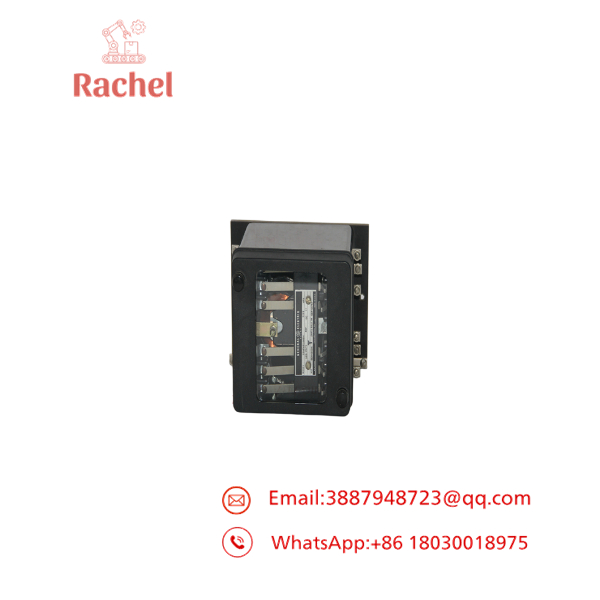
12HFA51A42H
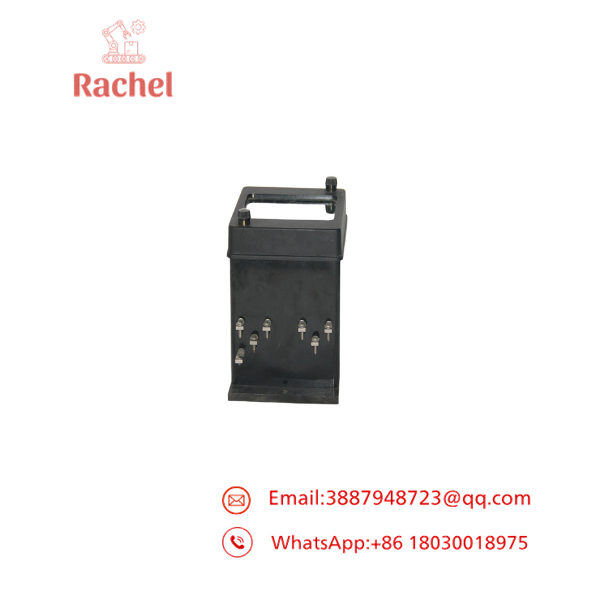
12HFA51A42H
The Veteran’s Tech Trap Guide
⚠️ Trap #1 — Matching the fuse by physical size.
This is the most serious procurement mistake. Two fuses can fit the same holder while having substantially different electrical ratings.
PRO TIP: Require the complete electrical specification before approving an equivalent.
⚠️ Trap #2 — Substituting a generic fuse because the rating “looks close.”
Do not round up or down on voltage, current, or interrupting capability without an engineering review. Protection coordination is a system calculation.
⚠️ Trap #3 — Ignoring the equipment manufacturer’s protection scheme.
The fuse may have been selected to coordinate with breakers, transformers, contactors, drives, or other protective devices. Changing the fuse can change clearing characteristics.
⚠️ Trap #4 — Installing a visually damaged surplus fuse.
Cracked insulation, damaged terminals, corrosion, or questionable storage history should be treated as rejection criteria for a critical high-voltage application.
Dynamic FAQ
What is GE 12HFA51A42H?
It is a GE HFA-series high-voltage fuse intended for industrial electrical protection applications.
Can I replace it with another HFA-series fuse?
Not automatically. The replacement must match the required voltage rating, current rating, interrupting capability, physical configuration, and protection coordination.
What information should I verify before purchasing?
At minimum, confirm:
12HFA51A42H → voltage class → current rating → interrupting rating → physical dimensions → terminal configuration → equipment application.
Is new-surplus stock acceptable?
New-surplus can be appropriate for legacy equipment, provided the fuse is genuinely unused, properly stored, physically undamaged, and traceable to the correct manufacturer part number.
How should a surplus fuse be tested?
Do not perform an improvised high-current fault test. Verify the part number, physical condition, documentation, dimensions, and low-energy continuity as appropriate. High-voltage protection testing should follow qualified electrical-maintenance procedures.
What warranty should I expect?
Warranty depends on the supplier. For a high-voltage fuse, request written confirmation of the product condition, authenticity, storage history where available, and replacement/return terms.

 Start Chat


