





Description
Product Introduction
The GE DS200DCFBG1BNC is a critical power supply and feedback board designed specifically for EX2000 excitation systems and DC2000 industrial drives. It takes high-level AC control voltage and steps it down into the clean, low-voltage DC rails required by the drive’s microprocessor racks and analog I/O cards.
Without a stable power foundation, logic boards crash and drives trip blindly. This DCFB board prevents catastrophic drive faults by providing an ultra-stable voltage reference. It features built-in test points and fast-acting onboard fuses, allowing field technicians to quickly isolate power anomalies from actual processor failures during high-stress troubleshooting.
Key Technical Specifications
| Parameter | Specification |
| Manufacturer | General Electric (GE Drive Systems) |
| Part Number | DS200DCFBG1BNC |
| Board Function | Control Power Supply & Feedback Processing |
| Input Voltage | 115 VAC or 230 VAC (Hardware Jumper Selectable) |
| Regulated DC Outputs | +5 VDC (Logic), +15 VDC / -15 VDC (Analog), +24 VDC (I/O) |
| Circuit Protection | Onboard cartridge fusing for logic power loops |
| Diagnostics | Neon AC presence indicators, multi-meter test points |
| System Compatibility | GE EX2000 Exciter, DC2000 Drives |
| Board Revision | B-Revision hardware |
| Environmental Protection | Conformal Coated (NC suffix) against corrosive gases |
Application Scenarios & The “Trench” Experience
It is Saturday night at a paper mill. The main DC2000 winder drive drops offline with a vague “Under-Voltage Fault” on the operator HMI. The motor bridge isn’t dead. The breaker is closed. Instead, a blown -15V rail on the DCFB board is starving the analog input card, tricking the drive processor into seeing a zero-volt feedback signal. You don’t need to rebuild the SCR bridge; you need a new power supply board.
Primary Industrial Applications
- Steel Processing & Cold Rolling – DC2000 Main Stand Drives – Supplies logic power to the SCR gate firing boards under intense electrical noise.
- Power Generation – EX2000 Excitation Systems – Powers the generator field voltage regulator control racks during grid synchronization.
- Paper & Pulp Manufacturing – Winder & Calender Drives – Provides the ultra-stable ±15V reference needed for precision tachometer feedback loops.
- Heavy Mining – DC Hoist Drives – Maintains processor uptime despite heavy voltage sags on the incoming plant utility feed.
Field Case Study
A hydroelectric plant in the Pacific Northwest lost generator excitation due to a lightning-induced power spike that wiped out the +5V logic rail on the EX2000’s primary DS200DCFBG1BNC board. The OEM pushed a complete static exciter modernization package. By sourcing a pre-tested surplus DCFB board, the facility saved over $150,000 in unnecessary upgrades. Maintenance swapped the unit, verified the output voltages with a Fluke meter at the test pins, and synchronized the generator to the grid within 45 minutes.
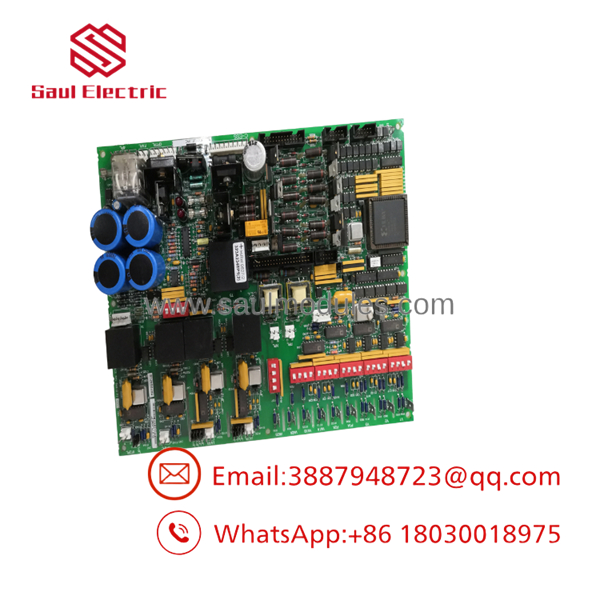
DS200DCFBG1BNC
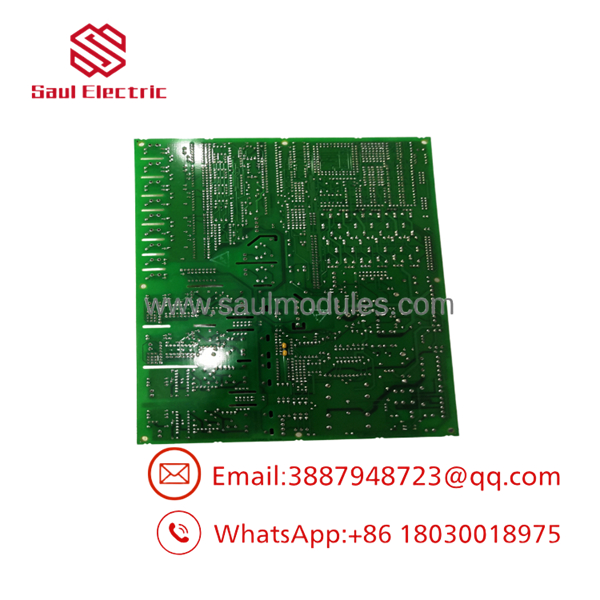
DS200DCFBG1BNC
Transparency SOP: Quality Assurance & Testing
We test power hardware on live GE racks. Supplying a dead power board into a down system is unacceptable. Here is our QA pipeline:
- Visual Component Audit: We inspect the step-down transformer windings, bulk electrolytic capacitors, and fuse holders for heat stress, carbon tracking, or electrolyte leakage.
- Live Power Loading Test: Feeding 115 VAC into the board and placing resistive loads on the DC outputs to simulate a full GE processor rack draw.
- Ripple Voltage Measurement: Using an oscilloscope to verify the +5V and ±15V rails have less than 50mV peak-to-peak AC ripple noise. Dirty DC power causes phantom microprocessor resets.
- Protection Circuit Verification: Confirming onboard fuses clear immediately under short-circuit conditions without damaging downstream linear regulators.
- Final QA & Static Sealing: Logging the specific hardware revision (G1BNC), cleaning board edges, and sealing the unit inside an anti-static ESD bag with custom shock packaging.
The Veteran’s Tech Trap Guide (Crucial Value-Add)
⚠️ Trap 1: Check the Input Voltage Jumper First.
The DS200DCFB board accepts either 115 VAC or 230 VAC. A physical wire jumper on the board configures this. If you feed 230V into a replacement board that shipped jumpered for 115V, you will instantly detonate the input varistors and the step-down transformer. Verify the jumper matches your site power before throwing the breaker.
❗ Trap 2: Don’t Trust the Neon Lights.
The board has neon indicator lights showing AC power presence. Do not assume the board is functional just because the lights glow. These lights only confirm incoming grid voltage, not the health of the internal DC regulators. Always put a multimeter on the specific +5V and +15V test points.
⚠️ Trap 3: Bleed the Capacitors.
This is a power generation board. The bulk filter capacitors hold a lethal DC charge for several minutes after you drop the AC main. Measure across the DC bus with your meter and wait for the voltage to bleed below 10V before you start pulling ribbon cables.
❗ Trap 4: Move Your Old Fuses.
Surplus boards sometimes ship without the specific amperage fuses your specific drive rack requires, or they ship with standard test fuses. Check the rating on your old board’s fuses. Move them over if the new board has different values installed to ensure your short-circuit coordination remains intact.
Frequently Asked Questions (FAQ for Conversion)
Q: Is the DS200DCFBG1BNC hot-swappable?
A: Absolutely not. This board generates the lifeblood control power for the entire EX2000 or DC2000 logic rack. Pulling it live will crash the drive immediately and cause severe voltage spikes that can fry your main processor cards. Lock out main AC power first.
Q: What do the letters “G1BNC” mean in the part number?
A: “G1” designates the group hardware configuration. “B” is the primary board revision level. “NC” indicates the board received conformal coating at the factory to protect the traces against moisture, dust, and corrosive industrial gases.
Q: Can I use this board to replace an older DS200DCFBG1A?
A: Usually, yes. A “B” revision is generally backward-compatible with an “A” revision, containing minor component reliability upgrades. However, check your GE manual to ensure no jumper definitions changed between the A and B layouts.
Q: How do I test if my current board is failing?
A: Use the designated test jacks on the front edge of the PCB. Set your multimeter to DC Volts. If your +5V rail reads 4.4V under load, your onboard regulators are failing. A sagging 5V rail will cause the logic processor to throw random memory or watchdog errors.
Q: What warranty comes with this surplus power board?
A: Every GE DS200DCFBG1BNC unit ships with a full 12-month functional replacement warranty. If the DC voltage rails drift out of tolerance or a regulator drops under normal operation within a year, we replace it immediately.

 Start Chat


