





Description
Product Introduction
The GE DS200FGPAG1A is a Gate Pulse Amplifier Board designed for the GE LS2100 Load Commutated Inverter (LCI) static starter system used in large synchronous motors and gas turbine starting applications. Its primary responsibility is generating gate firing pulses for the SCR bridge while continuously monitoring SCR operating status through high-speed fiber-optic communication.
Unlike general-purpose I/O boards, the DS200FGPAG1A directly affects SCR firing accuracy. If this board fails, the LCI may be unable to trigger the converter bridge correctly, preventing the motor or turbine from accelerating. Verify the board revision before installation. GE specifies that this board is not backward compatible with all earlier hardware revisions.
Key Technical Specifications
| Parameter | Value |
|---|---|
| Manufacturer | General Electric |
| Model | DS200FGPAG1A |
| Product Family | LS2100 LCI / Mark V |
| Product Type | Gate Pulse Amplifier Board |
| Primary Function | SCR Gate Drive & Status Monitoring |
| Input Power | 120 Vrms ±20%, 50/60 Hz |
| Maximum Power Consumption | Approximately 350 VA |
| Gate Driver Circuits | 2 |
| Fiber-Optic Ports | 1 Transmitter + 14 Receivers (15 Total) |
| Test Points | 30 |
| Converter Supply | 2080 VAC or 3300 VAC Twelve-Pulse System |
| Communication | Fiber-Optic Serial Link |
| Installation | Internal LCI Control Cabinet |
| Compatibility | Not Backward Compatible |
| Product Status | Legacy / Discontinued |
Application Scenarios & The “Trench” Experience
A gas turbine is ready for startup after a maintenance outage.
The excitation system is healthy. The protection relays report no alarms. Operators issue the start command, but the LCI never develops proper bridge current. After several hours of checking SCR stacks and control wiring, technicians discover that the gate pulse amplifier board is no longer driving one SCR phase. The turbine remains unavailable until the board is replaced.
Typical applications include:
- Combined-Cycle Power Plants — LCI static starters for gas turbine generator startup requiring precise SCR gate firing.
- Large Synchronous Motor Systems — Starting compressors, pumps, and fans using load-commutated inverter technology.
- Petrochemical Facilities — High-power compressor drives where reliable SCR triggering is essential.
- Mining Operations — Large grinding mill motors started through LCI systems.
- Utility Power Stations — Turbine starting equipment integrated with GE Mark V control architecture.
Field Replacement Example
A 25 MW synchronous compressor motor repeatedly failed to accelerate beyond the initial firing sequence. Secondary measurements showed one SCR phase was not receiving consistent gate pulses. Engineers replaced the DS200FGPAG1A, verified all fiber-optic receivers, checked gate pulse waveforms, and successfully completed the next startup without replacing the SCR bridge.
Transparency SOP: Quality Assurance & Testing
We don’t just ship boards; we test them on compatible GE LS2100 hardware whenever practical.
- Inbound Inspection
- Verify complete catalog number and PCB revision.
- Inspect fiber-optic connectors, transformers, and gate driver components.
- Check for overheating, damaged traces, or unauthorized repair.
- Live Functional Testing
- Apply rated 120 VAC control power.
- Verify board initialization.
- Confirm gate driver operation and optical communication.
- Electrical Parameter Checks
- Measure onboard DC supply rails.
- Verify gate pulse generation.
- Confirm receiver and transmitter functionality.
- Hardware Verification
- Record PCB revision.
- Verify compatibility with customer equipment.
- Inspect all test points for expected voltages.
- Final QC & Anti-static Packaging
- Complete operational inspection.
- Anti-static packaging.
- Shock-resistant shipping protection.
- Full serial-number traceability.
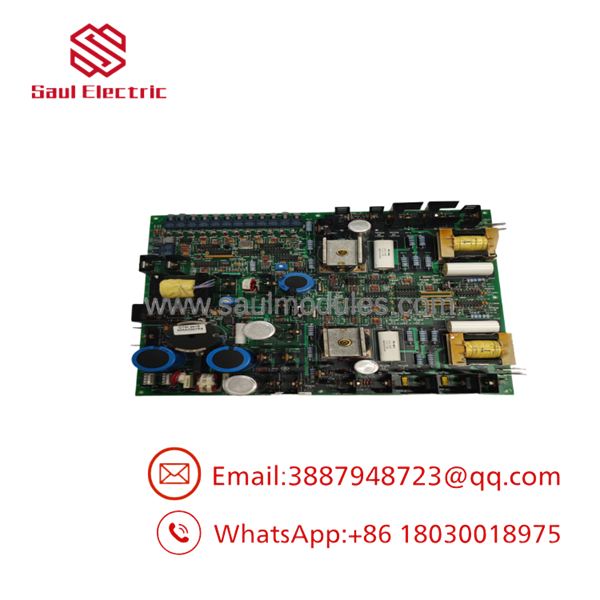
- DS200FGPAG1A
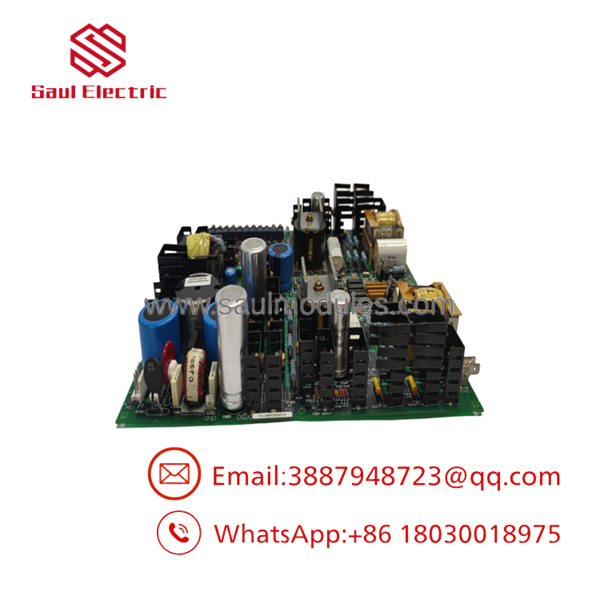
- DS200FGPAG1A
The Veteran’s Tech Trap Guide
⚠️ Don’t replace the SCR stack before checking this board.
Many “failed SCR” calls actually originate from missing gate pulses. If one phase never receives a firing command, the power bridge cannot operate correctly. Verify gate drive signals before replacing expensive power components.
❗ Inspect every fiber-optic cable.
The board uses 15 fiber-optic connections. A contaminated or damaged optical connector can generate intermittent firing faults that closely resemble board failure. Clean and inspect each connector before installing a replacement.
⚠️ Verify the board revision.
GE specifies that the is not backward compatible with every earlier hardware revision. Match the complete part number and revision suffix before installation.
❗ Use the onboard test points.
The board includes 30 diagnostic test points. Before condemning the board, compare measured gate-drive voltages with the maintenance manual. Many startup failures originate elsewhere in the LCI cabinet.
Frequently Asked Questions (FAQ)
Q1. What is the function of the ?
It generates SCR gate firing pulses, supplies gate power for one converter phase, converts AC control power to the required DC voltages, and reports SCR status to the LCI controller through fiber-optic communication.
Q2. Which GE system uses this board?
The board is used in GE LS2100 Load Commutated Inverter (LCI) static starter systems associated with Mark V turbine control applications.
Q3. How many fiber-optic connections does the board provide?
The board includes 15 fiber-optic ports consisting of one optical transmitter and fourteen optical receivers, enabling high-speed communication with the SCR gate circuitry.
Q4. Is this board interchangeable with earlier revisions?
No. GE documentation indicates that the is not backward compatible with all previous hardware versions. Always verify the exact part number and revision before ordering.
Q5. Why do these boards usually fail?
The most common causes include thermal cycling, aging power components, fiber-optic communication issues, contamination inside the control cabinet, and long-term stress on the gate driver circuits. Actual processor failures are relatively uncommon.
Q6. Does replacing the board require recalibration?
Normally, no software changes are required when installing an identical hardware revision. However, verify gate pulse timing, SCR status feedback, and complete startup sequencing before returning the LCI system to service.
Q7. What warranty is typically provided?
Most industrial automation suppliers offer a 12-month warranty on functionally tested new surplus or refurbished boards. Before commissioning, verify the PCB revision, fiber-optic connections, control power, and compatibility with the existing LS2100 LCI cabinet.

 Start Chat


