





Description
Product Introduction
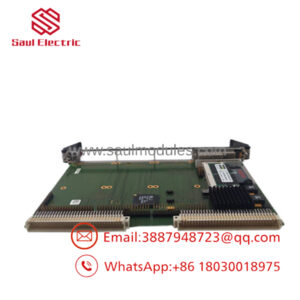
The GE DS200PTCTG1B is a specialized CT/PT (Current Transformer / Potential Transformer) Signal Conditioning Board designed specifically for GE Mark V Speedtronic gas and steam turbine control systems. Mounted directly in the control cabinet, this board serves as the primary analog interface between high-power generator output buses or utility feeds and the sensitive digital architecture of the Mark V core processors.
Engineered to step down high-voltage and current feedback signals to safe, readable millivolt-level inputs, the PTCTG1B utilizes precision scaling resistors, isolation transformers, and active filtering circuits. This design prevents high-voltage electrical transients, harmonics, and ground loops on the generator line from bleeding into the system backplane, ensuring stable real-time power measurement, synchronization, and protective relaying.
Key Technical Specifications
| Parameter | Specification |
| Manufacturer | General Electric (GE) |
| Part Number | DS200PTCTG1B |
| System Compatibility | GE Mark V Speedtronic Control Systems |
| Board Type | Analog Input Signal Conditioning (PT/CT Interface) |
| PT Inputs (Potential) | 3-Phase AC Voltage Isolation & Scaling |
| CT Inputs (Current) | Nominal 5A AC Secondary Transformer Interfaces |
| Signal Processing | Low-pass passive filtering with onboard scaling networks |
| Connector Type | Multi-pin ribbon connectors & terminal barrier blocks |
| Isolation Rating | High-galvanic isolation between field terminals and logic ground |
| Operating Temperature | -30°C to +65°C (-22°F to 149°F) |
Application Scenarios & The “Trench” Experience
It is 3:15 AM on a sub-zero winter night during peak grid demand. A combined-cycle plant’s generator suddenly trips on a false “Generator Overcurrent / Negative Sequence” alarm. The turbine comes down hard, triggering an unplanned outage that costs $80,000 an hour. You pull the event logs and find that phase ‘B’ current reading jumped to off-scale high while physical line current was completely normal. The culprit? Aging, drifted op-amps and cracked solder joints on the CT conditioning channel of an old PTCTG1B card.
- Utility Gas Turbine Power Blocks – Mark V Frame 7E/7FA Control Panels – Conditions 120V PT and 5A CT secondary signals for megawatt calculation and grid synchronization.
- Co-generation Plants – Industrial Steam Turbine Generators – Feeds clean voltage and phase angle data to automatic voltage regulators (AVR) and speed controls.
- Hydroelectric Control Retrofits – Speedtronic Mark V Hydro Configurations – Provides continuous power factor and line frequency feedback under fluctuating load conditions.
Field Case Study: A municipal power utility experienced intermittent phase-angle deviation trips during peak-load synchronization. The on-site team replaced the suspected DS200PTCTG1B module with a fully tested surplus unit during an emergency 2-hour window. The new card restored rock-solid AC feedback channels, allowing immediate resynchronization to the grid before penalty tariffs kicked in.
Transparency SOP: Quality Assurance & Testing
We understand that an uncalibrated or failing instrument card can trip a multimillion-dollar turbine. Every DS200PTCTG1B undergoes a strict 5-step validation process before shipment:
- Inbound Micro-Inspection: Thorough visual check under optical magnification for thermal stress, dried flux residue, cracked solder joints, and swollen components.
- Dielectric Isolation Testing: Hi-Pot and Megger testing between field input terminals and internal signal logic lines to guarantee zero leakage.
- Signal Calibration Bench Test: Injection of precise 120VAC and 5AAC test signals using a calibrated secondary injection test set to verify scaling accuracy across all channels.
- Thermal Stress Burn-in: Installation in a powered GE Mark V test rig inside an environmental chamber for 24 hours under continuous load.
- Anti-Static Sealing: Packaged in conductive ESD shielding bags with fresh desiccant and custom-molded foam inserts to withstand air freight shocks.
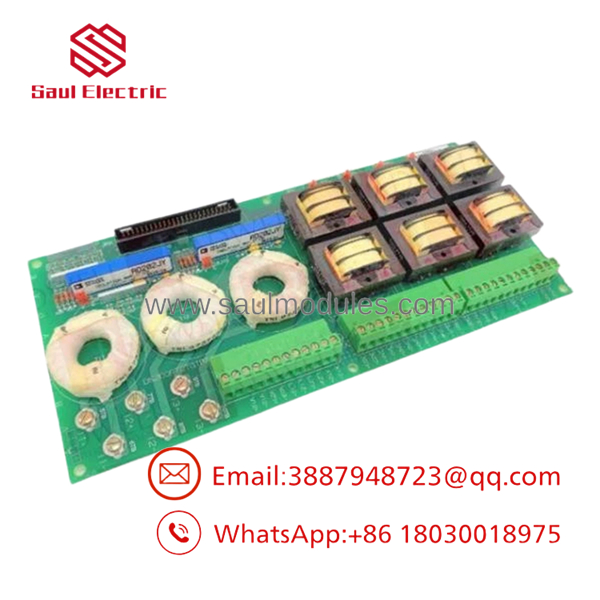
DS200PTCTG1B
The Veteran’s Tech Trap Guide (Crucial Value-Add)
⚠️ 1. CT Secondary Open-Circuit Hazard: Never disconnect the field wiring to this board while the generator is online! Opening a 5A current transformer secondary creates lethal high voltages across the terminals that will arc, destroy the board instantly, and potentially kill the technician. Short the CT test blocks first!
❗ 2. Match the Revision Suffix (1B vs 1A vs 1BAA): The ‘1B’ artwork revision introduced tighter tolerance scaling networks compared to the older ‘1A’. If you are swapping a ‘1A’ for a ‘1B’, double-check that your Mark V software/prom configuration matches the expected gain parameters for your specific PT/CT ratios.
⚠️ 3. Ribbon Cable Stacking Errors: The high-density ribbon cables connecting this card to adjacent core processors can be easily misaligned by one pin row if plugged in blind. A misaligned pin can ground out a 15V rail or cross a CT signal into a logic line. Use a flashlight and verify keying tabs.
❗ 4. Verify Onboard Hardware Jumper Profiles: Just like power cards, signal conditioning cards often have onboard jumper pins (JP headers) for selecting specific attenuation ratios or grounding references. Never assume the replacement card arrives pre-configured for your site’s CT ratios. Copy the old board’s jumpers pin-for-pin.
Frequently Asked Questions (FAQ for Conversion)
Q: Can I replace a DS200PTCTG1A with a DS200PTCTG1B?
A: In most Mark V architectures, the ‘1B’ revision is a direct, backward-compatible upgrade over the older ‘1A’. However, you must verify that all jumper configurations match your original card and confirm that the gain/scaling parameters fit your specific CT/PT ratios.
Q: Is it safe to swap this card with the Mark V panel energized?
A: No. Hot-swapping the DS200PTCTG1B is strictly prohibited. Beyond the risk of upsetting the Mark V logic bus, pulling live CT secondary circuits can induce high-voltage inductive transients that will damage the backplane and present a major arc-flash hazard.
Q: Are these units brand new OEM from General Electric?
A: The Mark V platform was phased out by GE years ago. Our inventory consists of New Surplus (never-installed factory spares) and Refurbished/Bench-Tested units sourced from clean decommissioned facilities worldwide.
Q: What happens if the card fails after installation?
A: Every unit comes backed by our comprehensive 12-month operational warranty. If you experience a hardware failure within a year of shipment, we will arrange an immediate advance replacement or issue a full refund.
Q: How do I know the analog channels are accurate before installing?
A: Every we ship includes a Quality Control sign-off sheet showing the results of our multi-point signal injection tests (verifying linear output across 0-120V PT and 0-5A CT input sweeps).

 Start Chat


