





Description
Product Introduction
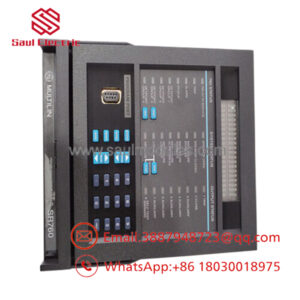
The GE DS200SPCBG1A functions as a specialized Signal Processing Board (SPCB) within the GE Speedtronic Mark V turbine control system and high-power industrial drive architectures. Positioned between raw I/O terminal cards and core processing modules, it handles signal buffer logic, filtering, and cross-channel routing for critical control feedback loops.
Built to maintain signal integrity in electrically noisy power generation environments, the SPCBG1A integrates high-speed operational amplifiers and hardware filtering networks. This architecture isolates core control microprocessors from line noise, common-mode voltage shifts, and high-frequency switching transients native to large motor drives and generator cabinets.
Key Technical Specifications
| Parameter | Specification |
| Manufacturer | General Electric (GE) |
| Part Number | DS200SPCBG1A |
| System Compatibility | Speedtronic Mark V / Innovation Series Drives |
| Board Function | Signal Processing Circuit Board (SPCB) |
| Group Version | Group 1 (G1A) |
| Signal Formatting | Mixed Analog Buffer & Discrete Logic Processing |
| Interfacing | Multi-pin ribbon cable connectors & card edge pins |
| Power Requirements | Regulated +5V DC, ±15V DC via system backplane/power cable |
| Mounting Format | Cabinet rack slot or carrier plate assembly |
| Operating Temperature | -30°C to +65°C (-22°F to +149°F) |
Application Scenarios & The “Trench” Experience
During a full-load run on a gas turbine, the Mark V system records intermittent analog feedback spikes, triggering a pre-trip alarm on the hydraulic fuel control loop. A technician isolates the fault to degraded signal conditioning capacitors on the original SPCB card. With the plant operating near peak capacity, replacing the failing board with a bench-tested DS200SPCBG1A stabilizes signal filtering across the channel immediately, keeping the unit synchronized to the grid without risking an emergency shutdown.
- Gas & Steam Turbine Control – Fuel Valve Positioning – Filters and buffers position feedback signals sent to servo driver circuits.
- Excitation Control Systems – Regulator Signal Conditioning – Processes field current/voltage telemetry before routing to main processor cards.
- Heavy Drive Enclosures – System Feedback Isolation – Cleans up analog feedback loops from tachometers and current transducers.
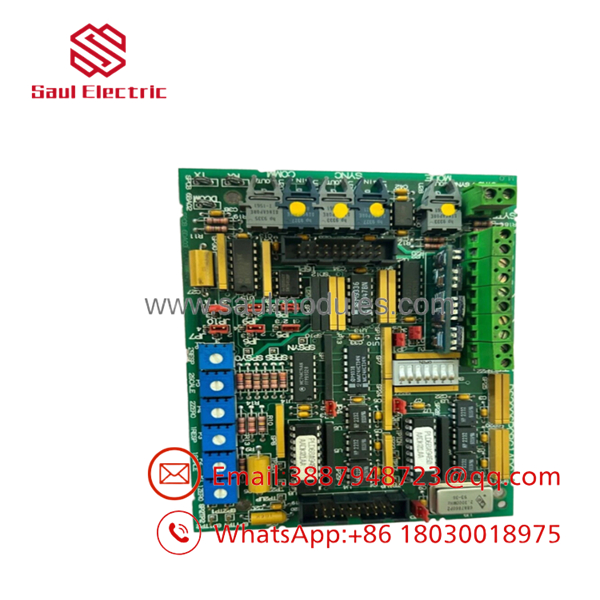
DS200SPCBG1A
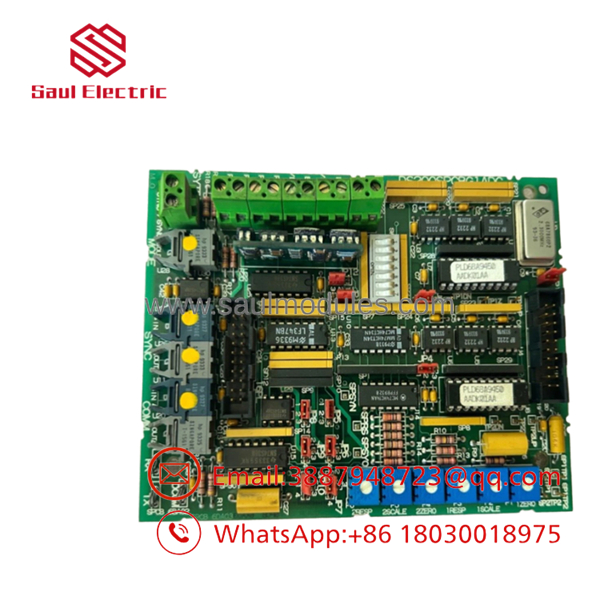
DS200SPCBG1A
Transparency SOP: Quality Assurance & Testing
We don’t just ship boxes; we test them on actual GE Mark V test racks.
- Inbound Visual Inspection: Microscopic trace analysis checking for thermal stress discoloration, cracked solder joints, cold solder bridges, or damaged ribbon header pins.
- Capacitor & Trace Integrity Check: Testing ESR values on onboard decoupling capacitors and verifying point-to-point trace continuity.
- Power Rail Bench Test: Applying nominal DC bus voltages to verify local voltage regulators and low-noise supply rails.
- Signal Conditioning Handshake: Injecting precise test signals across input channels to verify linear gain and frequency filtering against OEM factory specs.
- Anti-Static Packaging: Sealed in static-shielding ESD bags with fresh desiccant packages prior to protective foam boxing.
The Veteran’s Tech Trap Guide (Crucial Value-Add)
- ⚠️ Check Ribbon Cable Orientation: The multi-pin ribbon headers on this board can sometimes be forced on backward if connector keys are worn. Pin 1 is clearly marked—double-check cable strip alignment to avoid shorting low-voltage logic lines.
- ❗ Mirror Hardware Jumpers Pin-for-Pin: To be honest, most replacement issues boil down to missed jumpers. Take a sharp, high-resolution photo of all jumper blocks on your failed board and verify that the new DS200SPCBG1A matches it exactly before sliding it into the rack.
- ⚠️ Mind the Retention Standoffs: When mounting this card onto a rack plate, ensure nylon insulating standoffs are intact. Grounding a trace to the metal carrier frame through a missing standoff will destroy onboard op-amps instantly.
- ❗ ESD Handling Protocol: Always wear a wrist strap grounded to the cabinet chassis. Static charges too small to feel can easily degrade high-impedance input stages on this signal processing card.
Frequently Asked Questions (FAQ for Conversion)
Q: What is the primary role of the DS200SPCBG1A card in a Mark V system?
A: It acts as an intermediate signal buffer and processing node, conditioning raw analog/digital signals before they reach core controller microprocessors.
Q: Is the DS200SPCBG1A card hot-swappable?
A: No. Removing or inserting this board while the rack is energized can cause signal noise spikes, potentially tripping the turbine or blowing sensitive front-end buffer circuits. Always power down the rack segment first.
Q: Does this card require any firmware downloads or software flashing?
A: No. The DS200SPCBG1A relies entirely on discrete hardware components, op-amps, and physical jumper settings. It contains no flash microcontrollers and requires zero software programming upon installation.
Q: Can I substitute a G1A version with a G1B or higher revision?
A: Yes, in most cases. GE G1 group revisions are backward compatible, but you must carefully verify that jumper options and physical ribbon header locations align with your cabinet wiring diagram.
Q: What warranty coverage is provided with this item?
A: This board comes with a full 12-month replacement warranty from the delivery date, covering all signal pathways, onboard components, and processing performance.

 Start Chat


