





Description
Product Introduction & Engineering Value
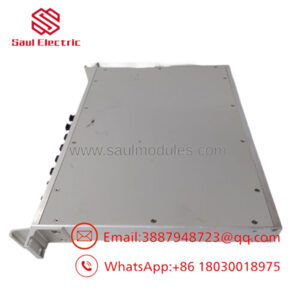
When software-based governor controls stall or lose tracking, hardware-level intervention is the final barrier against catastrophic mechanical runaway. The GE DS200TCEAG1ACB Emergency Overspeed Board (TCEA) acts as an autonomous hardware watchdog inside the Speedtronic Mark V turbine control system.
Operating independently of the primary Triple Modular Redundant (TMR) control cores (R5, S5, T5), this card processes pulse signals coming directly from speed pickups mounted on the turbine shaft. Its hardwired tripping logic executes in milliseconds, firing the trip solenoids to isolate fuel flow whenever an overspeed threshold or emergency flame loss condition is crossed.
Technical Specifications
- Functional Name: Emergency Overspeed / Flame Detection Board (TCEA)
- Input Signal Support: Direct pulse-frequency inputs from passive/active magnetic speed pickups (MPUs)
- Microprocessor Hardware: 1 dedicated onboard microprocessor for diagnostics and signal evaluation
- Trip Execution Logic: Dedicated hardware logic circuits bypassing primary OS firmware execution
- Circuit Protection: 3 individually rated onboard fuses protecting voltage rails
- Hardware Interlocks: 30 hardware-configurable jumpers for speed scale selection and trip thresholds
- Board Interconnection: Dual bayonet lock connectors and multiple low-profile ribbon headers
- Operating Temperature: -40°C to +85°C (-40°F to +185°F)
- Conformal Coating: Heavy-duty industrial protective coating for harsh field environments
Field Application & The “Trench” Experience
The Trench Story: During a full-load rejection test on a steam turbine, the primary governing valve failed to close fast enough, causing shaft speed to surge past 108% RPM. While the main control core was still calculating the speed delta, the DS200TCEAG1ACB board evaluated the raw MPU pulse frequency on its dedicated hardware circuit, tripped its output relay at 110.5% rated speed, and dumped the hydraulic trip header within milliseconds. The turbine safely coasted down without damaging the generator shaft or tripping mechanical overspeed bolts.
Niche Application Scenarios
- Steam Turbine Hydraulic Trip Header Dumping: Hardwired trip interface for emergency solenoid valves during sudden load rejection events.
- Gas Turbine Flame-Out Protection: Real-time monitoring of flame detector pulse trains to prevent fuel accumulation during sudden flame-out conditions.
- Heavy-Duty Industrial Drive Overspeed Watchdog: Standalone overspeed detection on high-inertia synchronous motor drives.
Transparency SOP: QA & Testing
- Microscopic Trace & Component Visual Audit: Full inspection of protective conformal coating, bayonet latching clips, fuse holders, and solder joint integrity under thermal imaging.
- Frequency Generator Simulation Bench Test: Injection of precise high-frequency sine and square waves across speed input channels to verify pickup sensitivity and pulse counting.
- Trip Threshold & Relay Execution Test: Simulating ramp-up conditions to ensure the board outputs a trip signal at the exact hardware jumper setpoint within tight millisecond windows.
- Diagnostic EPROM Verification: Microprocessor and memory checksum test to ensure on-board firmware registers zero fault flags.
- Static Dissipative Repackaging: Final terminal cleaning and vacuum sealing in ESD-shielded bags prior to warehouse dispatch.
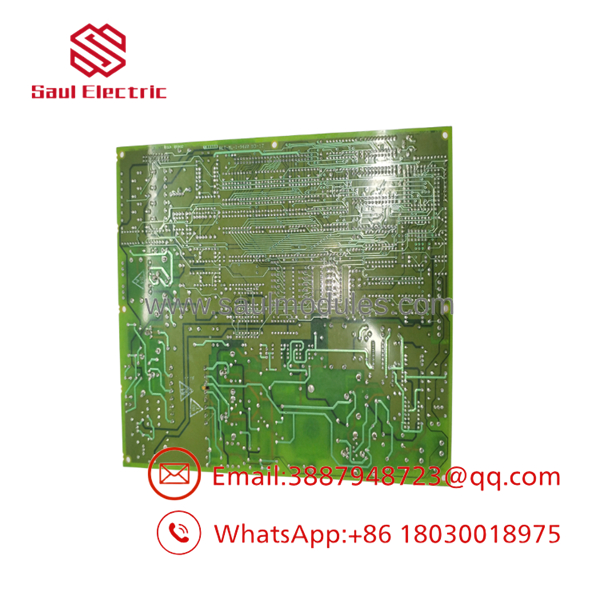
- DS200TCEAG1ACB
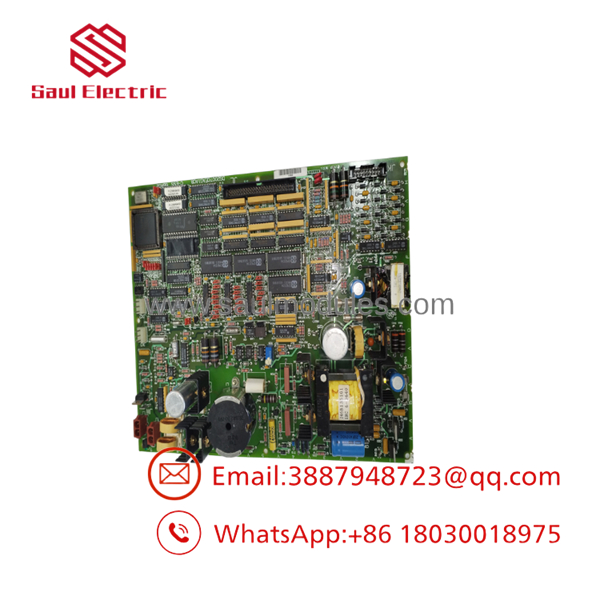
- DS200TCEAG1ACB
The Veteran’s Tech Trap Guide
- ⚠️ Do Not Flex the PCB During Bayonet Removal: The TCEA card uses tight-fitting male/female bayonet connectors. Always grip the base connector with one hand while holding the board flat against the rack with the other; pulling the cable at an angle will flex the PCB substrate and crack adjacent surface-mount components.
- PRO TIP: Match Jumper Configurations Exactly: The
G1ACBrevision features 30 hardware jumpers that establish speed signal scaling, pickup attenuation, and trip thresholds. Never swap this board straight out of the box without carefully copying every jumper position from your original card! A single misplaced jumper will cause immediate “Speed Feedback Mismatch” trips on startup. - ⚠️ Blown Fuse Indication Means Solenoid Issues: If one of the 3 onboard fuses blows upon trip execution, do not just replace the fuse and re-energize. Blown fuses on the TCEA board usually point to a shorted emergency trip solenoid coil on the hydraulic skid.
Dynamic FAQ
Q: Is the DS200TCEAG1ACB compatible with older DS200TCEAG1A or G1B versions?
A: Yes. The G1ACB version represents a later artwork and revision group within the TCEA family. It retains backward compatibility with earlier G1 variants provided jumper configurations and EPROM chips are aligned properly.
Q: Does the DS200TCEAG1ACB require software configuration or flashing from the Mark V Operator Interface (IEO/IDOS)?
A: The primary trip function relies on hardware jumper setpoints and onboard logic. However, system diagnostics and communication with the P1 executive core require correct onboard socketed memory modules.
Q: Why does the turbine control system trip on overspeed even if the main screen shows speed is normal?
A: The reads raw speed pickup signals independently of the main control algorithms. If an MPU channel develops electrical noise or ground loops, the TCEA board may detect false high-frequency spikes and trigger a trip even if the operator screen displays normal RPM.
Q: What condition are your surplus boards shipped in?
A: Every board is fully tested on specialized test rigs, confirmed free of component degradation, and packed in ESD-safe anti-static shielding with desiccant.
Q: What warranty is provided with this module?
A: All units ship with a standard 12-month full replacement warranty covering all electronic components, relay drivers, and frequency processing circuits.


 Start Chat


