





Description
Product Introduction
The GE DS200TCEAG1BNE is the TCEA Emergency Overspeed Board used in the GE Speedtronic Mark V turbine control platform. Installed in the Protective Core (P1), it independently supervises turbine overspeed conditions, flame detection, and automatic synchronizing functions. Unlike standard control processors, the TCEA is dedicated to safety-critical protection and operates independently of the primary turbine control processor.
In our field experience, this board is one of the most critical components in a Mark V cabinet. If the TCEA cannot validate shaft speed or protection logic, the turbine simply will not run. One thing to watch out for is board configuration. The X, Y, and Z processors appear identical, but jumper settings and IONet addresses determine their operating roles within the Triple Modular Redundant (TMR) protection scheme.
Key Technical Specifications
| Parameter | Value |
|---|---|
| Manufacturer | General Electric |
| Model | DS200TCEAG1BNE |
| Product Family | Speedtronic Mark V |
| Functional Acronym | TCEA |
| Product Type | Emergency Overspeed Board |
| System Architecture | Triple Modular Redundant (TMR) |
| Installation Location | Protective Core (P1) |
| Processor Roles | X, Y, or Z Processor |
| Primary Functions | Overspeed Protection, Flame Detection, Automatic Synchronization |
| Communication | IONet Daisy Chain (JX1/JX2) |
| Protection Logic | 2-out-of-3 Voting via TCTG Trip Board |
| UV Flame Detector Supply | 335 VDC Output |
| Power Supply | Dedicated Onboard Supply |
| Product Status | Legacy / Obsolete |
Application Scenarios & The “Trench” Experience
Here’s a situation that gets everyone’s attention.
A gas turbine reaches firing speed during startup, but just before synchronization the unit trips on emergency overspeed. Shaft pickups check out. Fuel valves operate normally. Hours later, engineers discover the fault isn’t mechanical at all—the protective processor has stopped validating one of the redundant speed channels, forcing the protection system to vote for a trip.
Typical applications include:
- Combined-Cycle Power Plants — Independent turbine overspeed protection for heavy-duty gas turbines.
- Steam Turbine Stations — High-speed shaft monitoring and emergency trip logic.
- Industrial Cogeneration Plants — TMR protection integrated with Mark V control systems.
- Pipeline Compressor Stations — Gas turbine protection with independent flame monitoring.
- Petrochemical Facilities — Critical rotating equipment requiring deterministic shutdown capability.
Field Replacement Example
During a scheduled outage, maintenance personnel repeatedly observed diagnostics indicating a failed protection processor in the Y channel. Engineers backed up configuration data, confirmed the remaining X and Z processors were healthy, installed a tested DS200TCEAG1BNE, configured the correct processor address, and completed overspeed simulation tests before returning the turbine to service. Because the replacement matched the original hardware revision, commissioning was completed without modifying the turbine application software.
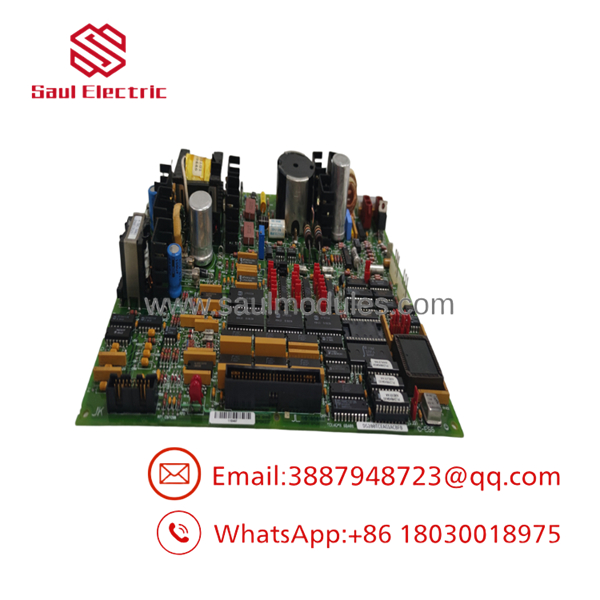
- DS200TCEAG1BNE
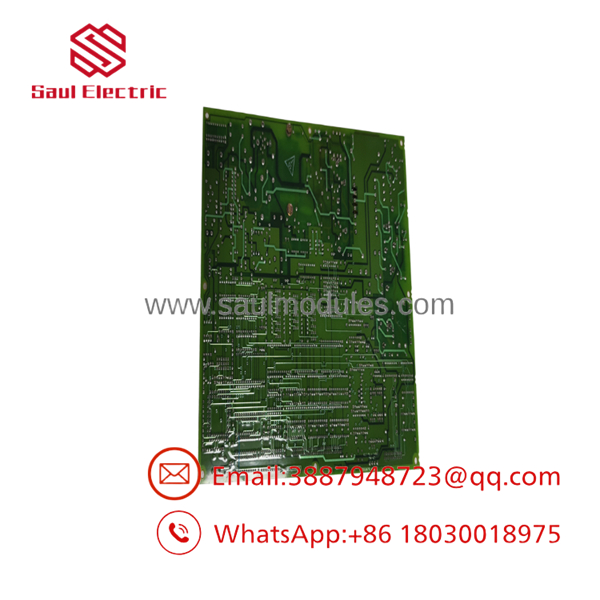
- DS200TCEAG1BNE
Transparency SOP: Quality Assurance & Testing
We don’t just ship boxes; we test them on actual GE Mark V hardware whenever practical.
- Inbound Inspection
- Verify complete catalog number and revision suffix.
- Inspect PROM devices, processor, connectors, and onboard power supply.
- Check for unauthorized repairs, corrosion, or overheating.
- Live Rack Testing
- Install in a compatible Mark V protective core.
- Verify successful processor startup.
- Confirm IONet communication.
- Verify board diagnostics.
- Electrical Parameter Checks
- Test onboard power rails.
- Verify trip output circuitry.
- Confirm communication with associated protection boards.
- Firmware Verification
- Record firmware and PROM revisions.
- Verify processor role compatibility.
- Confirm hardware revision traceability.
- Final QC & Anti-static Packaging
- Complete functional inspection.
- Anti-static packaging.
- Shock-resistant shipping protection.
- Full serial-number traceability.
The Veteran’s Tech Trap Guide
⚠️ Never replace only one board without checking the entire protection core.
The TCEA operates within a Triple Modular Redundant (TMR) architecture. A problem on the TCTG trip board, TCEB termination board, or IONet can produce symptoms that resemble a failed TCEA. Confirm the entire protection chain before replacing hardware.
❗ Verify the X, Y, or Z processor assignment.
The hardware is configured through jumpers and IONet addressing. Installing a replacement with the wrong processor identity can prevent proper voting or generate protection alarms during startup.
⚠️ Don’t ignore flame detector diagnostics.
This board processes both overspeed and UV flame detection signals. If flame detector inputs fail, startup may abort even when shaft speed feedback is normal. Verify both systems before concluding the processor has failed.
❗ Perform overspeed functional testing before returning the turbine to service.
Installing the board is only half the job. Confirm emergency trip logic, synchronization permissives, IONet communication, and event diagnostics before releasing the unit for operation.
Frequently Asked Questions (FAQ)
Q1. What is the primary function of the DS200TCEAG1BNE?
It is the Emergency Overspeed Board (TCEA) for the GE Mark V platform. It independently performs overspeed protection, flame detection, automatic synchronization, and emergency trip processing.
Q2. How many TCEA boards are installed in a Mark V system?
A standard Triple Modular Redundant (TMR) Mark V system uses three TCEA boards, designated as the X, Y, and Z processors. Their outputs are combined through a 2-out-of-3 voting scheme for dependable turbine protection.
Q3. Does this board communicate with other Mark V processors?
Yes. The board exchanges protection data through the IONet using the JX1/JX2 daisy-chain connectors and communicates with other protective modules including the TCTG and TCEB boards.
Q4. Can I replace the board without changing application software?
In most cases, yes. If the replacement has the identical part number, compatible firmware, and correct processor configuration, application software changes are generally unnecessary. Always verify hardware settings before startup.
Q5. Why do these boards typically fail?
Common causes include long-term thermal stress, aging power supply components, PROM failures, connector oxidation, or electrical surges. Actual processor failures are less common than communication or power-related issues.
Q6. Is the still manufactured?
No. It is a discontinued GE Speedtronic Mark V spare part. Most available inventory consists of verified new surplus units or professionally tested refurbished boards.
Q7. What warranty is typically available?
Most industrial automation suppliers provide a 12-month warranty on functionally tested new surplus or refurbished modules. Before commissioning, verify the board revision, X/Y/Z processor assignment, IONet configuration, and complete protection-system functionality to ensure safe turbine operation.

 Start Chat


