





Description
Product Introduction
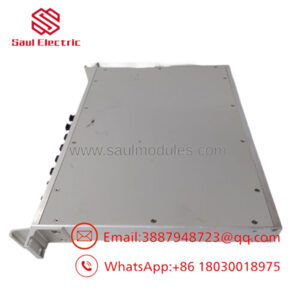
The GE DS200TCQAG1BGD (TCQA) is a specialized Analog I/O Processor Board engineered for GE Speedtronic Mark V turbine control systems. Positioned within the control cores (such as , , and ), this board processes critical analog telemetry—including servovalve positions, pressure transmitter signals, and LVDT/RVDT feedback—and generates precision analog control outputs to throttle fuel valves and steam actuators.
By offloading complex analog-to-digital (A/D) and digital-to-analog (D/A) signal conversions from the main system processors, the TCQA card ensures high-speed, deterministic control loops. Onboard signal conditioning networks isolate field instrument noise, preventing ground loops from compromising the integrity of the Speedtronic triple-modular redundant (TMR) architecture.
Key Technical Specifications
| Parameter | Specification |
| Manufacturer | General Electric (GE) |
| Part Number | DS200TCQAG1BGD |
| Functional Acronym | TCQA |
| System Compatibility | GE Speedtronic Mark V TMR / Simplex |
| Primary Function | Analog Input Signal Processing & Analog Output Driver |
| Input Channels | Multi-channel 4-20mA, 0-10V, and LVDT/RVDT feedback networks |
| Output Channels | Servovalve current outputs and conditioned 4-20mA monitoring signals |
| Communication Bus | Dedicated high-speed parallel bus to core backplane |
| Configuration | Socketed EPROM/PROM software chips & hardware jumper pins (JP) |
| Operating Temperature | -30°C to +65°C (-22°F to 149°F) |
Application Scenarios & The “Trench” Experience
Picture this: It’s 2:30 AM during a summer peak-load surge. Your Frame 7FA gas turbine starts experiencing erratic fuel valve hunting, causing output to oscillate by 15 MW. Within minutes, the Mark V panel throws a “Servovalve Current Differential High” trip on the core, dropping the turbine offline. A post-mortem check reveals a drifted operational amplifier and failing A/D converter on the TCQA board. When an analog card loses calibration or stability, valve control destabilizes instantly.
- Gas Turbine Speedtronic Controls – Mark V Frame 6 / 7 / 9 Panels – Processes LVDT valve feedback and drives electro-hydraulic servovalves for precise fuel regulation.
- Steam Turbine Speed Governance – Utility & Cogen Units – Reads main steam pressure/temperature transmitters and modulates governor valves.
- Combined-Cycle Power Plants – Heat Recovery Steam Generators (HRSG) – Converts 4-20mA feed-water flow and drum level inputs into real-time control signals.
Field Case Study: An industrial cogen facility faced repeated trip sequences during load rejection testing due to channel drift on an aging analog card. Replacing the faulty DS200TCQAG1BGD board with a bench-tested surplus unit restored stable LVDT feedback scaling. The plant successfully completed its compliance test, saving thousands in potential grid non-performance penalties.
Transparency SOP: Quality Assurance & Testing
We understand that an uncalibrated analog card can destabilize a multi-million-dollar turbine asset. Every DS200TCQAG1BGD undergoes a rigorous 5-step bench test before shipping:
- Inbound Visual Inspection: High-magnification check for cracked solder joints, thermally degraded op-amps, oxidized pin headers, and PCB trace degradation.
- Precision Power Isolation Check: Continuity and dielectric resistance checks to verify that power rails are fully isolated from signal grounds.
- Live Rack Boot Test: Card is installed in a powered GE Mark V test cage to verify processor bootup, firmware handshake, and backplane bus comms.
- Analog Channel Injection Test: Injection of calibrated 4-20mA and 0-10V signals using precision calibrators across all channels to confirm A/D and D/A conversion accuracy.
- ESD Protection & Packaging: Vacuum-sealed in anti-static shielding bags with fresh desiccant, packed in custom impact-resistant foam boxes.
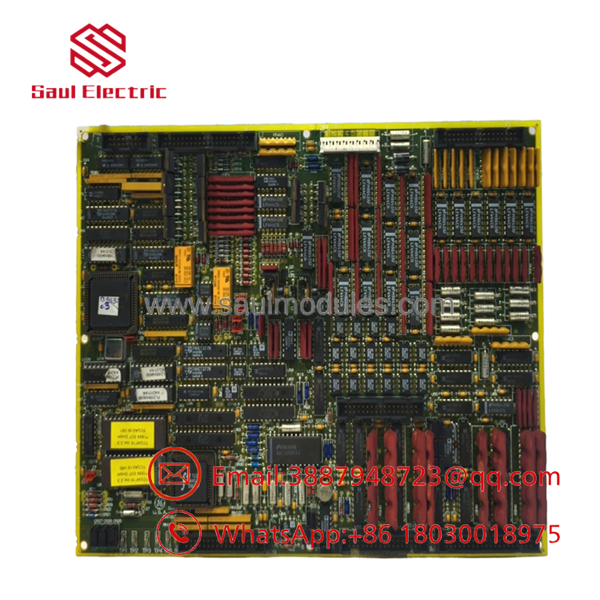
DS200TCQAG1BGD
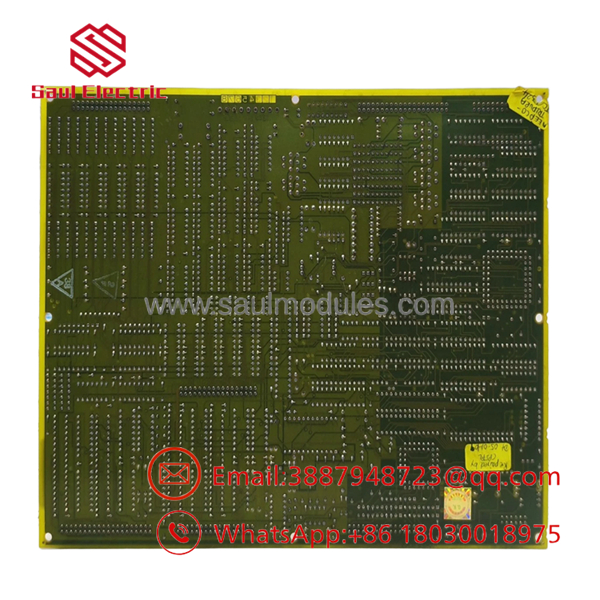
DS200TCQAG1BGD
The Veteran’s Tech Trap Guide (Crucial Value-Add)
⚠️ 1. Transfer Socketed PROMs Before Power-Up: The DS200TCQAG1BGD relies on socketed firmware EPROMs that store software configurations specific to your site’s turbine parameters. Installing a replacement board without moving the original chips over will lead to initialization failures or diagnostic faults on boot.
❗ 2. Verify Suffix Variant Compatibility (G1BGD vs G1A): The “G1BGD” suffix denotes specific artwork, revision, and component modifications. Ensure that your replacement matches the hardware generation required by your Mark V software version to avoid gain scaling errors on analog loops.
⚠️ 3. Match Jumper Blocks Pin-for-Pin: Hardware jumpers on the TCQA card select signal attenuation, input ranges (e.g., 4-20mA vs 0-10V), and ground references. Take a clear photograph of the original board’s jumpers and mirror every configuration on the new card before sliding it into the rack.
❗ 4. Calibrate LVDT Zero/Span After Replacement: Even with matched jumpers and swapped PROMs, component tolerances mean that valve position feedback (LVDT/RVDT) will require a quick zero and span re-calibration through the operator interface to maintain exact valve calibration.
Frequently Asked Questions (FAQ for Conversion)
Q: Is the GE DS200TCQAG1BGD board hot-swappable?
A: No. Hot-swapping this card while the Mark V panel is energized will cause an abrupt signal loss to servovalves and analog inputs, triggering immediate turbine trip sequences and potentially damaging backplane connectors. Always lock out power before replacement.
Q: What is the significance of the “G1BGD” revision code?
A: “G1B” represents the core revision design, while “GD” specifies artwork/component updates applied by GE during production. In most cases, a serves as a direct replacement for earlier TCQA G1B variants, provided jumper profiles and socketed PROMs match.
Q: Do I need software tools to calibrate the board upon installation?
A: Hardware installation requires setting jumper switches and moving original EPROM chips over. However, for analog loops controlling critical servovalves or LVDTs, you should perform an LVDT calibration routine via the Mark V interface (such as AutoCal) after installation.
Q: Are these boards new from General Electric?
A: GE stopped manufacturing Mark V hardware years ago. Our inventory consists of New Surplus (unused factory spares) and Refurbished / Bench-Tested cards sourced from clean plant upgrades and decommissioned facilities worldwide.
Q: What warranty is included with this purchase?
A: All units come with a 12-month operational warranty. If a component fault occurs under normal operating conditions within one year, we will provide an immediate advance replacement or issue a full credit.


 Start Chat


