





Description
Product Introduction
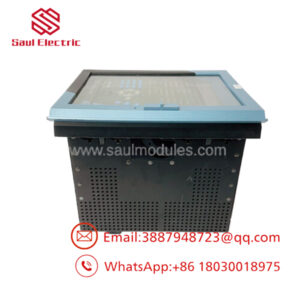
The GE DS200UPLAG1B (UPLA) is a high-performance LAN Interface and Processing Board engineered for GE Speedtronic Mark V turbine control panels and Innovation Series drives. Functioning as the central communications engine within control racks, this card handles high-speed data exchanges across ARCNET or DLAN network highways. It coordinates telemetry transfer between local control cores (, , ) and host operator interfaces (HMI / Stage Link).
By managing packet formation, error-checking protocols, and bus arbitration locally, the UPLA offloads communication overhead from the primary system processors. The board features an onboard co-processor, socketed PROM firmware modules, and dual-port RAM buffers that maintain determinism across network traffic surges—preventing communications bottlenecks during transient plant events.
Key Technical Specifications
| Parameter | Specification |
| Manufacturer | General Electric (GE) |
| Part Number | DS200UPLAG1B |
| Functional Acronym | UPLA |
| System Compatibility | GE Speedtronic Mark V / Innovation Series |
| Communication Protocol | ARCNET / DLAN (Local Area Network) Coaxial Interface |
| Processing Power | Dedicated onboard local communication microprocessor |
| Memory Architecture | Socketed EPROM/PROM configuration & dual-port RAM |
| Connectors | BNC coaxial network ports, multi-pin ribbon cable headers |
| Onboard Configuration | Multiple hardware jumper blocks (JP headers) & DIP switches |
| Operating Temperature | 0°C to 60°C (32°F to 140°F) |
Application Scenarios & The “Trench” Experience
Picture this: It’s 4:00 AM on a freezing winter morning. Your combined-cycle site is ramping up generation to catch the morning power spike. Suddenly, the main operator station loses communication with the core of the Mark V panel. The turbine continues running on local governors, but operators are blind to real-time exhaust temperatures and alarm states. The cause? A micro-fractured solder joint and failed line-driver chip on an aging UPLA communication card. When network cards drop offline, plant visibility disappears instantly.
- Power Generation Facilities – Speedtronic Mark V TMR Turbine Control Systems – Maintains high-speed Stage Link communications between core processors and the operator screen.
- Heavy Industrial Drive Networks – Innovation Series Rolling Mill Drives – Coordinates peer-to-peer torque and speed reference data across networked drive racks.
- Utility Substation Interfaces – Remote Terminal Unit (RTU) Interface Racks – Manages telemetry pass-through to SCADA protocols via gateway cards.
Field Case Study: A 120MW steam turbine experienced intermittent network drops that randomly locked out operator remote commands. The on-site crew swapped out the suspected DS200UPLAG1B card during a scheduled 2-hour maintenance window. After moving the socketed firmware PROMs and setting network address jumpers to match the original layout, Stage Link comms stabilized at 100% packet delivery, preventing an unscheduled plant shutdown.
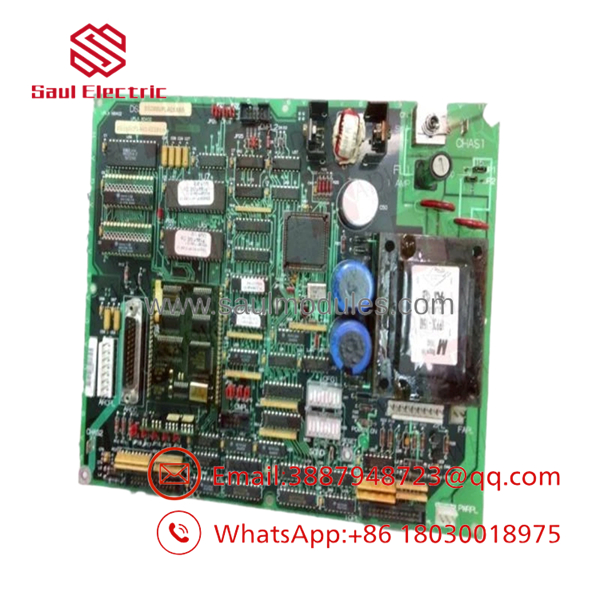
DS200UPLAG1B
Transparency SOP: Quality Assurance & Testing
We treat legacy communication cards with the engineering rigor they require. Every DS200UPLAG1B undergoes a strict 5-step bench validation before shipping:
- Inbound Micro-Inspection: Optical magnification check for hairline trace cracks, dry solder joints, damaged BNC shield grounds, and burnt component footprints.
- Backplane & Power Line Test: Megger and continuity checks to ensure internal DC voltage rails (+5V, ±15V) are completely isolated from network shield grounds.
- Live Network Rig Simulation: Board is installed in a powered GE Mark V test rack connected to an active ARCNET/DLAN network node to verify protocol handshakes.
- Data Throughput Stress Test: Sustained high-frequency data packet injection across network channels to confirm dual-port RAM stability and zero dropped frames over 24 hours.
- Anti-Static Sealing & Packing: Cleaned, fitted with conductive pin-protecting caps, vacuum-sealed in ESD shielding bags, and securely foam-cased for shipping.
The Veteran’s Tech Trap Guide (Crucial Value-Add)
⚠️ 1. Transfer Socketed PROM Chips First: The DS200UPLAG1B contains socketed firmware PROMs that store your site’s specific network address, baud rates, and system node parameters. If you drop a replacement card into the rack without transferring your original EPROMs over, the board will fail node initialization and remain offline.
❗ 2. Match Network ID Jumpers Pin-for-Pin: The UPLA board uses hardware jumpers and DIP switch blocks to define its physical network node ID. Setting an incorrect jumper profile will create an IP/Node collision on the Stage Link bus, dropping other healthy nodes off the network. Take a clear photo of your old card’s jumpers before removal!
⚠️ 3. Inspect Coaxial BNC Connectors for Stress: The physical BNC cable connections attached to the board can transfer mechanical strain directly to the PCB solder pads. Always verify that coaxial cables are supported and not pulling down on the connector headers, which can cause micro-cracks in signal traces.
❗ 4. Power Down the Rack Before Pulling: Never hot-swap the UPLA card. Inserting or pulling this board while the backplane is energized risks damaging adjacent processor cards and disrupting ARCNET bus termination, which will crash communications for the remaining online cores.
Frequently Asked Questions (FAQ for Conversion)
Q: Is the GE DS200UPLAG1B hot-swappable?
A: No. Hot-swapping the UPLA board will disrupt the local communication bus and can lock up adjacent processor cards in the rack. Always completely isolate rack power before pulling or inserting the module.
Q: What is the difference between and DS200UPLAG1A?
A: The “1B” suffix indicates a later factory artwork and component revision by GE. The 1B board offers improved noise immunity and updated line-driver components compared to the older 1A revision. It is generally backward-compatible, provided jumper settings and firmware PROMs are transferred correctly.
Q: Do I need special software tools to configure this card after installation?
A: No software flashing is necessary if you move the socketed firmware PROMs from your original board onto the replacement unit. Once the PROMs are seated and the hardware jumpers match, the system will auto-detect the board on boot.
Q: Are these units brand new OEM stock from General Electric?
A: General Electric discontinued the Mark V series years ago. Our inventory consists of New Surplus (never-deployed factory spares) and Refurbished / Bench-Tested cards sourced from clean plant modernizations worldwide.
Q: What warranty coverage do you provide?
A: Every comes backed by our standard 12-month operational warranty. If you experience any component or communication fault within one year of delivery, we will send an immediate advance replacement or issue a full credit.

 Start Chat


